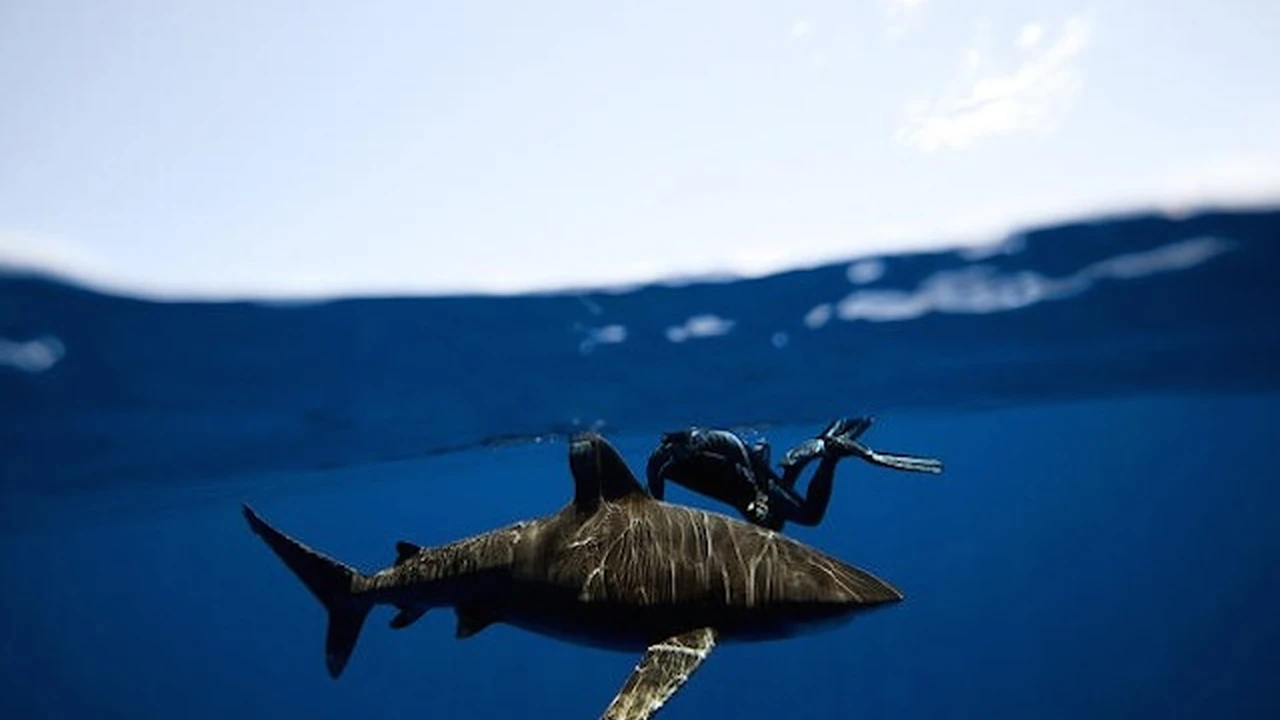
Scuba Diving Retirement Planning Your Golden Dives
Advice for planning and enjoying scuba diving adventures during retirement years.
Advice for planning and enjoying scuba diving adventures during retirement years.
Scuba Diving Retirement Planning Your Golden Dives
Embracing the Golden Years Underwater Retirement Diving
So, you've worked hard your entire life, saved diligently, and now the golden years are beckoning. What better way to celebrate your newfound freedom than by exploring the vibrant underwater world? Scuba diving in retirement isn't just a dream; it's a perfectly achievable reality that offers incredible physical, mental, and social benefits. This comprehensive guide will walk you through everything you need to consider to make your retirement diving adventures truly golden.
Health and Fitness for Senior Divers Staying Dive Ready
One of the first things that often comes to mind when discussing senior diving is health. While age itself isn't a barrier, maintaining a good level of fitness is crucial. Regular check-ups with your doctor, especially one familiar with dive medicine, are paramount. They can assess your cardiovascular health, lung function, and overall physical condition to ensure you're fit to dive. Conditions like heart disease, uncontrolled diabetes, or severe arthritis might require specific medical clearance or adjustments to your diving plans.
Maintaining Physical Fitness for Diving Senior Diver Exercises
Even if you're not an Olympic athlete, incorporating regular exercise into your routine will significantly enhance your diving experience. Focus on activities that improve cardiovascular health, strength, and flexibility. Swimming is an obvious choice, as it mimics many of the movements used in diving and builds lung capacity. Walking, cycling, and even gentle yoga or Pilates can improve your core strength and flexibility, making it easier to handle gear and move gracefully underwater.
Nutrition and Hydration for Divers Senior Wellness
Proper nutrition and hydration are often overlooked but play a vital role in dive safety and enjoyment. A balanced diet rich in fruits, vegetables, lean proteins, and whole grains will provide sustained energy. Staying well-hydrated, especially in tropical diving destinations, is crucial to prevent dehydration, which can exacerbate decompression sickness risks. Avoid excessive alcohol consumption before and after dives.
Financial Planning for Retirement Diving Budgeting for Underwater Adventures
Let's be honest, scuba diving can be an expensive hobby. However, with careful planning, it's entirely possible to enjoy incredible dive trips without breaking the bank. Your retirement budget needs to account for several key areas:
Dive Gear Investment Smart Gear Choices for Seniors
While you might already own some gear, retirement is a great time to upgrade to more comfortable, lightweight, and user-friendly equipment. Investing in your own gear, especially a well-fitting wetsuit, BCD, and regulator, will pay off in the long run. Consider:
* Lightweight Travel BCDs: Brands like Aqua Lung's Zuma or Cressi's Travelight are excellent choices. The Aqua Lung Zuma, for example, weighs around 4.7 lbs (2.1 kg) and typically retails for $400-$500. It's designed for easy packing and minimal bulk, perfect for frequent travelers. The Cressi Travelight is similarly lightweight, often around 5.5 lbs (2.5 kg), and can be found for $350-$450. Both offer good buoyancy control and comfort for recreational diving.
* Comfortable and Easy-to-Adjust Fins: Open-heel fins with spring straps are often preferred by senior divers as they are easier to put on and take off. Scubapro's Seawing Nova fins are known for their efficiency and comfort, often priced around $180-$220. Another great option is the Mares Avanti Quattro Plus, which offers excellent propulsion and comes with bungee straps, typically costing $150-$190.
* User-Friendly Dive Computers: Look for models with large, clear displays and intuitive navigation. The Shearwater Peregrine is highly regarded for its large color screen and simple interface, retailing for approximately $500-$550. For a more budget-friendly option, the Aqua Lung i300C offers Bluetooth connectivity and a clear display for around $300-$350.
* Prescription Dive Masks: If you wear glasses, a prescription mask is a game-changer for clear underwater vision. Many dive shops offer custom prescription lenses for popular mask models. A good quality mask like the TUSA Freedom One can be fitted with prescription lenses, with the mask itself costing around $80-$100, and lenses adding $100-$200 per eye depending on complexity.
Travel Costs and Accommodation Retirement Travel Tips
This will likely be your biggest expense. Researching off-peak seasons, looking for package deals, and considering liveaboards can help manage costs. Liveaboards, while seemingly expensive upfront, often include all dives, meals, and accommodation, which can be more cost-effective than daily boat trips and hotel stays. For example, a 7-day liveaboard in the Red Sea might range from $1,500 to $3,000, depending on the boat's luxury level, but this covers all your diving and living expenses for the week.
Dive Insurance and Medical Coverage Senior Diver Insurance
This is non-negotiable. Standard travel insurance often doesn't cover scuba diving incidents. Invest in dedicated dive insurance from providers like DAN (Divers Alert Network) or DiveAssure. DAN's annual membership with dive accident insurance can range from $40 to $150+, depending on the coverage level. DiveAssure offers similar comprehensive plans. These policies cover hyperbaric chamber treatments, medical evacuations, and other dive-related emergencies, which can be incredibly expensive without coverage.
Not all dive destinations are created equal, especially for senior divers. Look for locations that offer:
* Easy Access: Destinations with calm waters, minimal currents, and easy boat entries/exits are ideal. Shore diving can also be a great option if access is simple.
* Shallow and Diverse Reefs: While deep dives are exciting, many of the most beautiful and vibrant reefs are found in shallower waters, allowing for longer bottom times and less nitrogen loading.
* Excellent Dive Operators: Choose operators with a strong emphasis on safety, experienced dive guides, and smaller group sizes. Look for those that cater to diverse age groups and offer personalized service.
* Medical Facilities: Proximity to good medical facilities and hyperbaric chambers is a significant plus.
Top Retirement Dive Destinations Senior Diver Paradise
* Bonaire: Known as the 'Diver's Paradise,' Bonaire offers incredible shore diving with easy access, calm conditions, and abundant marine life. The island is very senior-friendly, with many resorts offering dive packages and accessible facilities. Average cost for a week's diving and accommodation can range from $1,000 to $2,500.
* Cozumel, Mexico: With its gentle currents and stunning drift dives, Cozumel is a fantastic choice. The water is warm, visibility is excellent, and there are plenty of shallow reefs. Many resorts cater to divers, and medical facilities are readily available. A week in Cozumel, including diving, might cost $1,200 to $2,800.
* Florida Keys, USA: Accessible by car for many US residents, the Florida Keys offer diverse diving, from artificial reefs to natural coral formations. Key Largo, in particular, has numerous dive operators and a hyperbaric chamber. Costs can vary widely depending on accommodation, but daily dive trips are typically $80-$150.
* Maldives: While a longer journey, the Maldives offer unparalleled luxury and incredible marine encounters, including manta rays and whale sharks. Many resorts have house reefs accessible directly from the beach, and liveaboards provide a comfortable way to explore. A luxury week in the Maldives can easily exceed $3,000, but more modest options exist.
* Fiji: Known as the 'Soft Coral Capital,' Fiji offers vibrant reefs and warm, clear waters. The friendly local culture and relaxed pace make it an ideal retirement destination. Many resorts offer dive packages, and the diving is generally suitable for all levels. A week in Fiji might cost $1,800 to $3,500.
Continuing Education and Skill Refinement Lifelong Learning for Divers
Even if you're an experienced diver, retirement is a great time to refresh your skills or pursue new certifications. Consider:
* Refresher Courses: If you haven't dived in a while, a quick refresher course will boost your confidence and ensure your skills are sharp. These typically cost $100-$200.
* Specialty Courses: Explore interests like underwater photography, fish identification, or even nitrox certification (which allows for longer bottom times and shorter surface intervals, a great benefit for senior divers). Nitrox certification usually costs $150-$250.
* Rescue Diver: This course enhances your problem-solving skills and ability to assist others, making you a more confident and capable dive buddy. A Rescue Diver course can range from $350-$500.
Building a Dive Community Social Aspects of Retirement Diving
Scuba diving is inherently social. Joining dive clubs, participating in group trips, or even finding a regular dive buddy can enrich your retirement experience. Many dive shops organize local and international trips, providing excellent opportunities to meet like-minded individuals. The camaraderie among divers is unique, and sharing underwater experiences creates lasting bonds.
Safety First Prioritizing Senior Diver Safety
Your safety should always be the top priority. This means:
* Diving Within Your Limits: Don't feel pressured to keep up with younger divers or attempt dives beyond your comfort zone. Listen to your body.
* Buddy System: Always dive with a buddy and maintain good communication underwater.
* Pre-Dive Checks: Thoroughly check your gear and your buddy's gear before every dive.
* Environmental Awareness: Be mindful of currents, weather conditions, and marine life. Never touch or disturb marine creatures.
* Regular Gear Servicing: Ensure your regulators and BCD are serviced annually by a certified technician. A regulator service typically costs $50-$100 per stage, plus parts.
Beyond the Dive Exploring Local Culture and Relaxation
Retirement diving isn't just about what happens underwater. It's also an opportunity to immerse yourself in new cultures, try local cuisine, and simply relax. Choose destinations that offer a good balance of diving and topside activities. Whether it's exploring ancient ruins, enjoying a leisurely meal by the ocean, or simply reading a book on the beach, these moments contribute to a truly fulfilling retirement.
Leaving a Legacy Marine Conservation for Senior Divers
Many senior divers find immense satisfaction in contributing to marine conservation efforts. This could involve participating in reef clean-ups, citizen science projects (like coral monitoring or fish counting), or supporting organizations dedicated to ocean protection. Your experience and passion can make a real difference in preserving the underwater world for future generations. Organizations like Project AWARE offer various ways to get involved, from online courses to local clean-up events.
Conclusion Your Golden Years Await Underwater
Retirement offers an incredible opportunity to pursue passions, and for many, that passion lies beneath the waves. With careful planning, a focus on health, smart financial decisions, and a commitment to safety, your golden years can be filled with breathtaking underwater adventures. So, dust off your fins, get that medical check-up, and start planning your next dive trip. The ocean is calling, and your golden dives await.
:max_bytes(150000):strip_icc()/277019-baked-pork-chops-with-cream-of-mushroom-soup-DDMFS-beauty-4x3-BG-7505-5762b731cf30447d9cbbbbbf387beafa.jpg)