Scuba Diving and Drone Photography Combining Perspectives
Explore how drones can complement underwater photography by capturing stunning aerial views of dive sites.
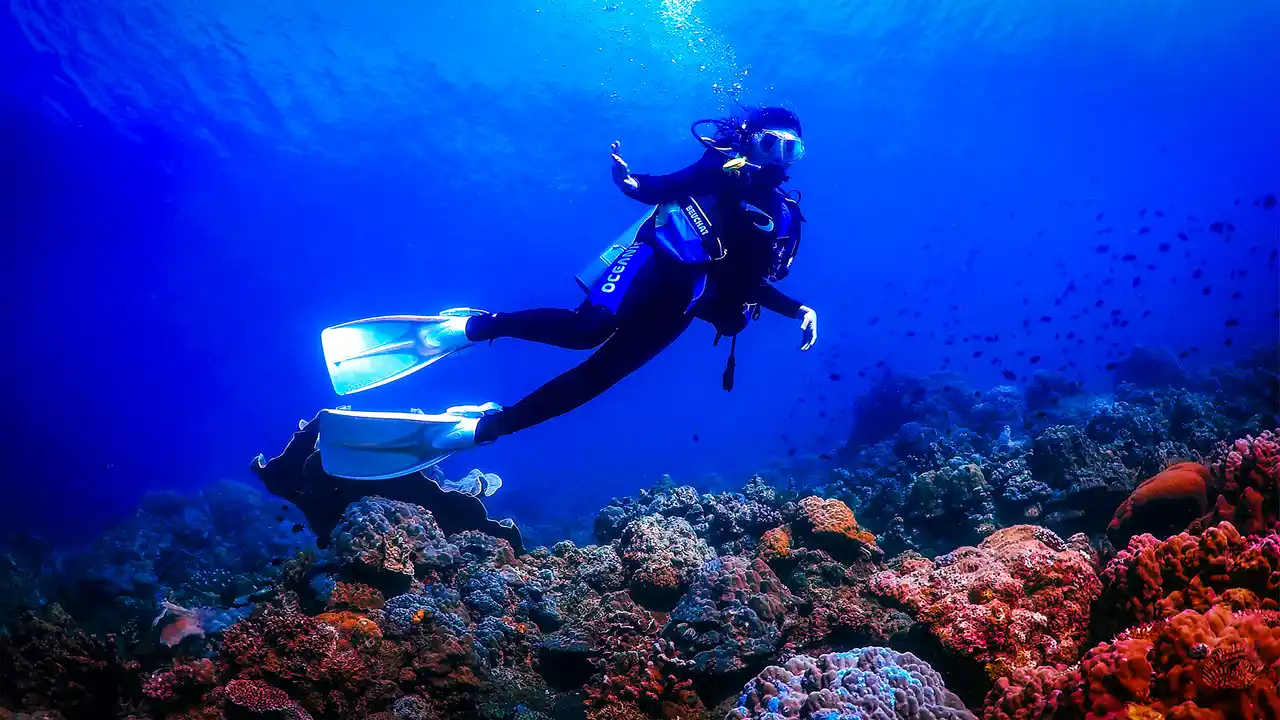
Explore how drones can complement underwater photography by capturing stunning aerial views of dive sites.
Scuba Diving and Drone Photography Combining Perspectives
The Rise of Aerial and Underwater Synergy
Hey fellow adventurers! Ever thought about how to make your dive trips even more epic? We’re talking about combining the breathtaking beauty of the underwater world with the stunning, expansive views from above. That’s right, we’re diving deep into the exciting realm of scuba diving and drone photography. It’s not just about capturing what’s beneath the waves anymore; it’s about telling the whole story of your dive site, from the vibrant reefs below to the dramatic coastlines and crystal-clear waters stretching to the horizon. This synergy offers a unique perspective that traditional photography simply can’t match, providing a comprehensive visual narrative of your aquatic adventures.
For years, underwater photographers have been pushing the boundaries of what’s possible beneath the surface. Now, with the accessibility and advanced capabilities of modern drones, we can add an entirely new dimension to our visual storytelling. Imagine a shot that transitions seamlessly from an aerial view of a remote island, slowly descending to reveal a diver exploring a vibrant coral garden. This isn't just cool; it's a powerful way to showcase the entire ecosystem and the incredible journey of a dive. Whether you're a professional content creator, a dive resort looking to attract more guests, or just an enthusiastic hobbyist, integrating drones into your dive photography workflow can elevate your content to new heights—literally!
Why Drones are a Game Changer for Dive Site Documentation
So, why should you consider adding a drone to your dive gear? The reasons are plentiful and compelling. First off, drones offer unparalleled perspectives. You can capture sweeping landscapes, show the scale of a dive boat against the vast ocean, or highlight the unique topography of a coastline leading into a dive site. These are shots that are impossible to get from the water or even from a boat. Think about showcasing the approach to a famous wreck, or the sheer cliffs that plunge into the ocean where a wall dive begins. Drones provide that crucial context.
Secondly, they are fantastic for showcasing the entire dive experience. From the moment you arrive at a remote island, to the boat ride out, the surface interval, and even the post-dive relaxation, a drone can capture it all. This creates a much richer and more engaging narrative for your audience. For dive operators, this means being able to create promotional videos that truly capture the essence of their location and the adventure they offer. For individuals, it means creating personal travel documentaries that are truly cinematic.
Thirdly, drones are becoming increasingly user-friendly and portable. Many modern drones are compact enough to fit into a backpack alongside your dive gear, making them ideal for travel. Their advanced flight modes and obstacle avoidance systems make them easier to fly, even for beginners. And with improved battery life, you can get multiple flights in, capturing all the angles you need without constant recharging.
Choosing the Right Drone for Your Dive Adventures
Alright, let’s talk gear. Not all drones are created equal, especially when you’re thinking about using them in conjunction with water activities. You’ll want something reliable, with a good camera, decent battery life, and ideally, some level of water resistance or at least splash protection. Here are a few top contenders that are popular among outdoor enthusiasts and content creators, along with their pros, cons, and approximate pricing.
DJI Mavic 3 Series The Professional's Choice
The DJI Mavic 3 series (including the Mavic 3 Classic, Mavic 3, and Mavic 3 Cine) is often considered the gold standard for serious aerial videography and photography. These drones boast incredible camera quality, with a 4/3 CMOS Hasselblad camera on the Mavic 3 and Mavic 3 Cine, capable of shooting 5.1K video and 20MP stills. The dynamic range is superb, making them excellent for capturing those vibrant coastal scenes and dramatic sunsets.
- Pros: Exceptional image quality, long flight time (up to 46 minutes), advanced obstacle avoidance, stable flight, and a wide range of intelligent flight modes. The Cine version offers Apple ProRes 422 HQ for professional workflows.
- Cons: High price point, larger and heavier than some other options, not inherently waterproof (so be extra careful around water).
- Ideal Use: Professional videographers, dive resorts, and serious hobbyists who demand the best image quality for promotional content or high-end personal projects.
- Approximate Price: DJI Mavic 3 Classic starts around $1,750 USD, Mavic 3 around $2,200 USD, Mavic 3 Cine around $5,000 USD.
DJI Air 3 The Balanced Performer
The DJI Air 3 is a fantastic mid-range option that offers a great balance of performance, portability, and price. It features a dual-primary camera system with a 1/1.3-inch CMOS wide-angle camera and a 1/1.3-inch CMOS 3x medium tele camera, both capable of 4K/60fps HDR video and 48MP photos. This dual-camera setup is incredibly versatile for capturing different perspectives.
- Pros: Excellent image quality for its price, dual cameras offer creative flexibility, good flight time (up to 46 minutes), omnidirectional obstacle sensing, and relatively compact.
- Cons: Not as robust as the Mavic 3 series in terms of low-light performance or professional codecs, still not waterproof.
- Ideal Use: Advanced hobbyists, travel vloggers, and small businesses looking for high-quality aerial footage without the professional price tag of the Mavic 3 Cine. Great for capturing both wide scenic shots and closer details of boats or shorelines.
- Approximate Price: Starts around $1,099 USD.
DJI Mini 4 Pro The Ultra-Portable Powerhouse
For those who prioritize portability above all else, the DJI Mini 4 Pro is a standout. Weighing under 249 grams, it doesn't require registration in many regions, making it incredibly convenient for travel. Despite its small size, it packs a punch with a 1/1.3-inch CMOS sensor capable of 4K/60fps HDR video and 48MP photos. It even includes omnidirectional obstacle sensing, a first for the Mini series.
- Pros: Extremely lightweight and portable, no registration required in many countries, surprisingly good image quality for its size, omnidirectional obstacle sensing, and decent flight time (up to 34 minutes, or 45 minutes with the Intelligent Flight Battery Plus).
- Cons: Smaller sensor means less low-light performance compared to larger drones, more susceptible to wind, not waterproof.
- Ideal Use: Casual travelers, backpackers, and divers who want to capture stunning aerials without adding significant bulk to their gear. Perfect for quick shots of dive boats, beaches, and coastal scenery.
- Approximate Price: Starts around $759 USD.
Autel Robotics EVO Nano+ A Compact Alternative
While DJI dominates the market, Autel Robotics offers compelling alternatives. The Autel EVO Nano+ is a direct competitor to the DJI Mini series, also weighing under 249g. It features a 1/1.28-inch CMOS sensor, capable of 4K/30fps video and 50MP photos. It also boasts three-way obstacle avoidance.
- Pros: Ultra-lightweight, no registration needed in many places, good image quality, decent flight time (up to 28 minutes), and competitive pricing.
- Cons: Slightly less refined app experience than DJI, fewer intelligent flight modes, not waterproof.
- Ideal Use: Travelers and hobbyists looking for a compact, high-quality drone that’s easy to carry and fly, offering a strong alternative to DJI.
- Approximate Price: Starts around $899 USD.
SwellPro Spry+ The Waterproof Specialist
If you’re truly concerned about water and want a drone that can handle splashes, or even brief submersion, the SwellPro Spry+ is one of the few options designed specifically for water environments. It’s waterproof and can even float and take off from water. It shoots 4K video and 12MP photos.
- Pros: Fully waterproof, can land and take off from water, durable build, designed for marine environments.
- Cons: Image quality is not on par with DJI or Autel, fewer advanced features, higher price for its specs due to waterproofing.
- Ideal Use: Niche use for those who absolutely need a waterproof drone for extreme conditions, or for capturing unique shots directly from the water surface. Less about cinematic quality, more about ruggedness.
- Approximate Price: Starts around $799 USD.
Essential Accessories for Drone Diving Photography
Beyond the drone itself, a few accessories can significantly enhance your experience and protect your investment, especially when operating near water.
Extra Batteries and Charging Hubs
This is non-negotiable. You’ll always want more flight time than you think you need. A charging hub allows you to charge multiple batteries simultaneously, which is a huge time-saver, especially on a dive boat with limited power outlets.
ND Filters (Neutral Density Filters)
Just like for your underwater camera, ND filters are crucial for drones, especially when shooting video in bright conditions. They reduce the amount of light hitting the sensor, allowing you to maintain a cinematic shutter speed (typically double your frame rate, e.g., 1/60th for 30fps video) and avoid overexposed footage. This is particularly important over bright water or sandy beaches.
Landing Pad
A portable landing pad is a simple but effective accessory. It provides a clean, flat surface for takeoff and landing, protecting your drone’s sensors and propellers from dust, sand, or debris, which is common in coastal areas or on boats. It also makes it easier to land in windy conditions.
Waterproof Carrying Case
While most drones aren't waterproof, their carrying cases can be. Invest in a hard-shell, waterproof case (like a Pelican case or a specialized drone case) to protect your drone and accessories from splashes, rain, and accidental drops into water. This is crucial when transporting your gear on dive boats or near the shore.
Propeller Guards and Spare Propellers
Propeller guards are great for beginners or when flying in confined spaces, offering an extra layer of protection. And spare propellers? They’re like spare fins – you never want to be without them. Accidents happen, and a bent or broken propeller can end your flying session prematurely.
Power Bank for Controller and Phone
Your drone controller and smartphone (which often acts as the screen for your drone’s camera feed) will drain battery quickly. A high-capacity power bank ensures you can keep everything charged, especially during long days out on the water.
Best Practices for Drone Operation Near Water
Operating a drone near water, especially saltwater, comes with its own set of challenges and risks. Here are some crucial best practices to ensure safety and longevity for your drone.
Check Weather and Wind Conditions Religiously
Wind is your drone’s biggest enemy, especially smaller models. Always check wind forecasts before flying. Gusts can be unpredictable near coastlines or over open water. Avoid flying in strong winds (generally above 15-20 mph, depending on your drone model) or rain. Salt spray can also be highly corrosive to drone electronics, so be mindful of sea mist.
Maintain Visual Line of Sight (VLOS)
Always keep your drone in sight. This is a fundamental rule for safe drone operation and often a legal requirement. It helps you react quickly to unexpected obstacles, birds, or changes in wind direction. Over water, distances can be deceptive, so be extra vigilant.
Launch and Land from a Stable, Dry Surface
Avoid launching or landing directly from a wet or sandy surface. Use a landing pad. If launching from a boat, ensure the boat is stable and you have plenty of clear space. Consider hand-launching and hand-catching if you’re experienced and the conditions allow, as this can be safer on a moving boat than trying to land on a small deck.
Be Mindful of Magnetic Interference
Large metal objects, like boats or docks, can interfere with your drone’s compass and GPS signals. Always calibrate your compass away from such structures and be aware of potential interference. Fly with caution in these areas.
Set a High Return-to-Home (RTH) Altitude
Before taking off, set your drone’s Return-to-Home (RTH) altitude higher than any potential obstacles (like masts on a boat, trees on a cliff, or nearby buildings). This ensures that if your drone loses signal and initiates RTH, it will ascend safely above obstructions before returning to you.
Regularly Clean Your Drone After Flights Near Saltwater
Saltwater is highly corrosive. Even if your drone doesn't get wet, salt spray can accumulate on its components. After every flight near the ocean, gently wipe down your drone with a damp (not wet) cloth, followed by a dry cloth. Pay special attention to the motors, camera gimbal, and battery contacts. Consider using compressed air to clear out any sand or debris from crevices.
Monitor Battery Levels Closely
Flying over water means there’s no safe place to land if your battery dies. Always keep a close eye on your battery levels and plan your flights to ensure you have enough power for the return journey, plus a safety margin. Many drones have low-battery RTH features, but it’s always best to manually initiate return well before that threshold.
Creative Ways to Combine Drone and Underwater Footage
Now for the fun part: how do you actually blend these two distinct perspectives into a cohesive and captivating story? It’s all about thoughtful planning and creative editing.
Establishing Shots and Transitions
Use drone footage for your opening and closing shots. An aerial shot of a remote island or a dive boat cruising through turquoise waters immediately sets the scene. You can then transition to underwater footage of divers descending or marine life. Smooth transitions, like a drone shot pulling back to reveal the boat, then cutting to an underwater shot of divers jumping in, can be incredibly effective.
Showcasing the Dive Site's Full Scope
If you’re documenting a specific dive site, use the drone to show its overall structure. For a wall dive, capture the cliff face from above, then transition to the vibrant corals on the wall below. For a wreck, show the outline of the ship from the air, then dive down to explore its interior. This gives viewers a complete understanding of the environment.
Highlighting Marine Life Habitats
A drone can show the expansive coral reefs or seagrass beds where certain marine life thrives. You can then zoom in with your underwater camera to capture close-ups of the creatures themselves. For example, an aerial shot of a vast manta ray cleaning station, followed by underwater footage of mantas gracefully gliding by.
Storytelling Through Movement
Combine drone footage of divers on the surface, perhaps swimming towards a buoy, with underwater shots of them exploring. This creates a sense of journey and adventure. You can also use drone footage to track a boat or a group of divers from above, adding dynamic movement to your narrative.
Time-Lapses and Hyperlapses
Drones are excellent for capturing stunning time-lapses or hyperlapses of sunrises/sunsets over the ocean, cloud movements, or the ebb and flow of tides around a dive site. These can serve as beautiful interstitial clips in your dive video, adding a professional touch.
Legal and Ethical Considerations for Drone Use
Before you even think about flying your drone, it’s absolutely critical to understand the legal and ethical landscape. Drone regulations vary wildly from country to country, and even within different regions of the same country. Ignorance is not an excuse, and breaking rules can lead to hefty fines, drone confiscation, or even legal action.
Check Local Regulations
Always research the drone laws of your destination before you travel. Websites like UAV Coach or local aviation authority sites (e.g., FAA in the US, CAA in the UK) are good starting points. Key things to look for include:
- Registration Requirements: Do you need to register your drone?
- No-Fly Zones: Are there airports, military bases, national parks, or protected marine areas where flying is prohibited? Many marine parks have strict no-drone policies to protect wildlife and maintain tranquility.
- Altitude Limits: What is the maximum altitude you can fly?
- VLOS Requirements: Is visual line of sight mandatory?
- Privacy Laws: Be mindful of people’s privacy. Don’t fly over private property or film individuals without their consent.
- Commercial vs. Recreational Use: Different rules often apply if you’re flying for commercial purposes (e.g., selling footage to a dive resort) versus recreational use.
Respect Wildlife and Marine Life
This is paramount. Drones can disturb wildlife, especially nesting birds or marine mammals. Maintain a respectful distance and avoid flying directly over animals. If you notice any signs of distress, land your drone immediately. The goal is to capture beauty, not cause harm.
Environmental Impact
Be aware of your environmental footprint. Don’t fly over sensitive ecosystems where a crash could cause damage. Ensure your drone is well-maintained to prevent parts from falling into the ocean. Always retrieve your drone if it crashes, even if it means getting wet.
Insurance
Consider getting drone insurance, especially if you’re flying an expensive model or using it for commercial purposes. This can protect you from liability in case of an accident or damage to your drone.
The Future of Aerial and Underwater Integration
The convergence of drone technology and underwater exploration is still in its early stages, but the potential is immense. We’re already seeing advancements in:
- Hybrid Drones: Drones that can seamlessly transition from air to water, or even submerge briefly. While still nascent, this technology could revolutionize how we explore and document aquatic environments.
- AI and Automation: More intelligent flight modes, automated tracking of divers or marine life, and AI-powered editing tools will make it even easier for creators to produce stunning content.
- Improved Sensors: Better low-light performance, enhanced dynamic range, and more specialized sensors (e.g., for mapping or environmental monitoring) will open up new possibilities.
- Longer Battery Life and Range: As battery technology improves, drones will be able to cover larger areas and stay airborne for longer, making them even more practical for extensive dive site surveys.
Imagine a future where a single device can capture the entire journey of a whale shark, from its surface breach to its deep dive, providing an unprecedented view of its behavior and habitat. Or a drone that can map an entire reef system from above and below, creating a comprehensive 3D model for conservation efforts. The possibilities are truly exciting.
So, whether you’re a seasoned diver, an aspiring filmmaker, or just someone who loves to capture the beauty of the world, consider how drone photography can add a new dimension to your scuba diving adventures. It’s a powerful tool for storytelling, conservation, and simply sharing the magic of our planet’s incredible aquatic realms.
:max_bytes(150000):strip_icc()/277019-baked-pork-chops-with-cream-of-mushroom-soup-DDMFS-beauty-4x3-BG-7505-5762b731cf30447d9cbbbbbf387beafa.jpg)