Guide to selecting the best housing for your camera, ensuring protection and functionality underwater.
Guide to selecting the best housing for your camera, ensuring protection and functionality underwater.
Choosing the Right Underwater Camera Housing
Understanding Underwater Camera Housings Your Camera's Lifeline
So, you've got your camera, you're ready to dive, and you want to capture all those amazing underwater moments. But wait! Your camera isn't waterproof, at least not to the depths you'll be exploring. That's where an underwater camera housing comes in. Think of it as a super-tough, watertight suit for your camera, protecting it from the immense pressure and corrosive saltwater. Without a proper housing, your camera is just a very expensive paperweight underwater. Choosing the right one is crucial, not just for protecting your gear, but also for ensuring you can actually use your camera effectively once submerged.
Types of Underwater Camera Housings Exploring Your Options
When you start looking into underwater camera housings, you'll quickly realize there's a wide variety. They generally fall into a few main categories, each with its own pros and cons, and suitability for different types of cameras and diving needs.
Compact Camera Housings Entry Level and User Friendly
These are designed for point-and-shoot cameras. They are typically the most affordable and easiest to use. Many compact cameras have dedicated housings made by the camera manufacturer themselves, or by third-party companies like Ikelite or Fantasea. They usually offer basic control access, allowing you to zoom, shoot, and change a few settings. They're great for casual divers or those just starting out in underwater photography.
Mirrorless Camera Housings The Best of Both Worlds
Mirrorless cameras have become incredibly popular, and for good reason. They offer DSLR-like image quality in a smaller, lighter package. Housings for mirrorless cameras are also more compact than DSLR housings, making them easier to travel with. Brands like Nauticam, Ikelite, and Sea&Sea offer a wide range of housings for popular mirrorless models. These housings typically provide full access to camera controls, allowing for more creative freedom.
DSLR Camera Housings Professional Grade and Robust
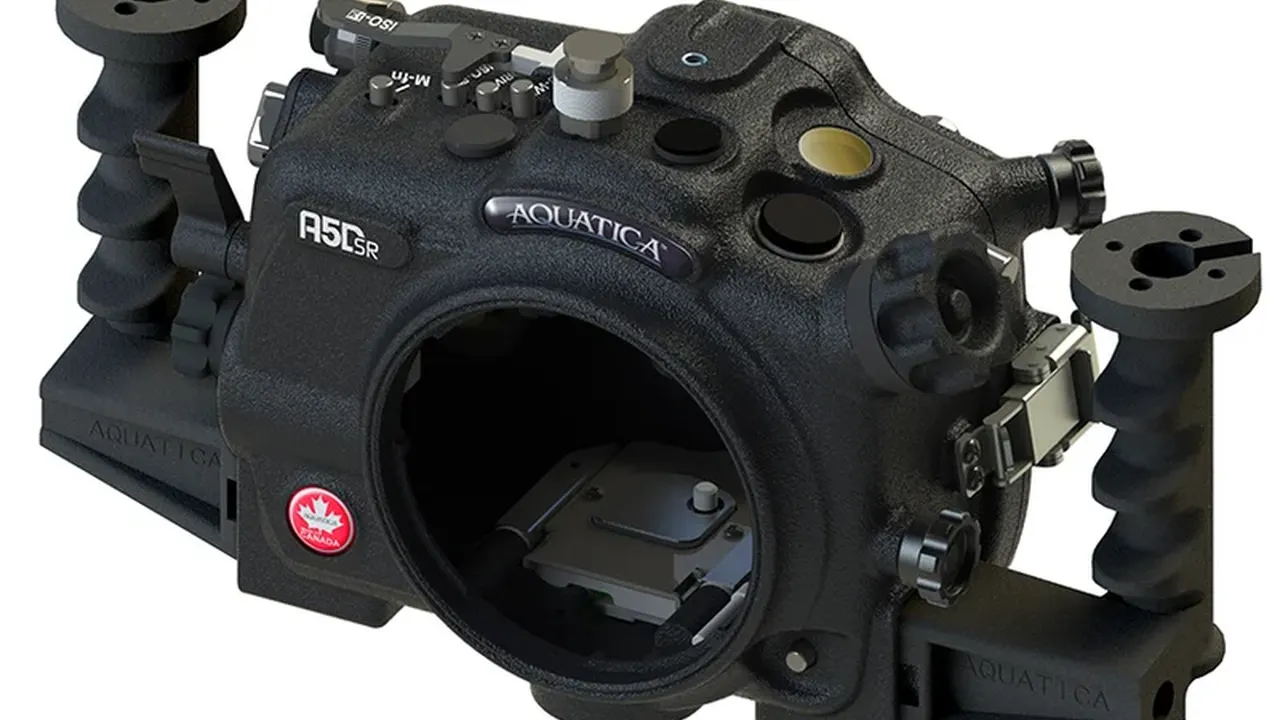
If you're serious about underwater photography and already own a DSLR, you'll be looking at these. DSLR housings are the largest and most robust, designed to withstand significant depths and offer complete control over your camera's functions. They often feature interchangeable port systems to accommodate various lenses, from wide-angle to macro. Brands like Nauticam, Aquatica, and Subal are leaders in this segment. While more expensive and bulkier, they offer the ultimate in control and image quality.
Universal Housings A Flexible but Limited Choice
Some companies offer universal housings that claim to fit a range of cameras. While they might seem appealing due to their versatility and lower price point, they often come with compromises. Control access can be limited, and the fit might not be as snug or secure as a custom-made housing. They are generally not recommended for serious underwater photographers.
Key Features to Consider When Buying an Underwater Housing
Choosing the right housing isn't just about the camera type. There are several critical features you need to evaluate to ensure it meets your diving and photographic needs.
Depth Rating How Deep Can You Go
Every housing has a maximum depth rating. This is a crucial specification. Make sure the housing's depth rating exceeds the maximum depth you plan to dive. Most recreational divers won't go beyond 40 meters (130 feet), but if you're a technical diver, you'll need a housing rated for much deeper.
Material and Durability Built to Last
Underwater housings are typically made from polycarbonate (plastic) or aluminum. Polycarbonate housings are lighter and generally more affordable, but aluminum housings are more durable, offer better heat dissipation, and can withstand greater depths. Aluminum housings are often preferred by professional photographers due to their robustness.
Ergonomics and Control Access Ease of Use Underwater
This is incredibly important. Can you easily access all the necessary camera controls (shutter, aperture, ISO, focus, zoom, video record) while wearing gloves and underwater? Look for housings with large, clearly labeled buttons and levers that are easy to manipulate. Some housings offer vacuum pump systems to check for leaks before diving, which is a fantastic safety feature.
Port System Lens Compatibility
For mirrorless and DSLR housings, the port system is vital. Different lenses require different ports (flat ports for macro, dome ports for wide-angle). Ensure the housing you choose has a comprehensive port system that supports your current and future lens choices. Some housings have interchangeable port systems, offering greater flexibility.
Accessory Mounts Lights, Strobes, and More
Does the housing have cold shoe mounts, threaded holes, or other attachment points for accessories like external strobes, video lights, focus lights, or even buoyancy arms? These are essential for serious underwater photography.
Maintenance and O-Rings Keeping it Watertight
All housings require regular maintenance, especially cleaning and lubricating the O-rings. Check how easy it is to access and maintain the O-rings. Some housings have double O-rings for extra security.
Recommended Underwater Camera Housings and Their Applications
Let's dive into some specific product recommendations, covering different budgets and camera types. Please note that prices are approximate and can vary based on retailers, promotions, and specific camera models.
For Compact Cameras and Beginners
Ikelite 200DL Underwater Housing for Canon G7X Mark III
* Application: Excellent for beginners or those who want a high-quality compact setup. The Canon G7X Mark III is a popular choice for its large sensor and good video capabilities.
* Features: Made from durable polycarbonate, depth rated to 200ft (60m). Offers full access to camera controls. Features a clear back for easy viewing of the camera's LCD. Comes with a built-in flat port, but can be upgraded with wide-angle or macro wet lenses.
* Comparison: Compared to generic compact housings, the Ikelite offers superior build quality, deeper depth rating, and better control access. It's more robust than many manufacturer-specific plastic housings.
* Price: Approximately $750 - $850 (housing only).
Fantasea FG7X III S Underwater Housing for Canon G7X Mark III
* Application: Another strong contender for compact camera users, offering a slightly more compact design than the Ikelite.
* Features: Made from durable polycarbonate, depth rated to 200ft (60m). Ergonomic design with easy access to controls. Features a moisture detector and alarm for added safety. Compatible with Fantasea's range of wet lenses and accessories.
* Comparison: Similar in price and features to the Ikelite, the choice often comes down to personal preference for ergonomics and specific accessory compatibility. Fantasea is known for its user-friendly designs.
* Price: Approximately $700 - $800 (housing only).
For Mirrorless Cameras and Enthusiasts
Nauticam NA-A7RV Underwater Housing for Sony Alpha a7R V
* Application: For serious enthusiasts or semi-professionals using Sony's high-resolution mirrorless cameras. The a7R V is a powerhouse for both stills and video.
* Features: Precision-machined from solid aluminum, depth rated to 330ft (100m). Features Nauticam's patented port locking system, multi-directional control pad, and integrated vacuum check and leak detection system. Offers full access to all camera controls, including custom function buttons.
* Comparison: Nauticam is renowned for its exceptional build quality, ergonomic design, and extensive accessory ecosystem. It's a significant step up in price and performance from polycarbonate housings, offering professional-grade reliability and control.
* Price: Approximately $4,500 - $5,500 (housing body only, ports sold separately).
Ikelite 200DL Underwater Housing for Sony Alpha a7S III
* Application: Ideal for videographers or photographers who prioritize low-light performance and high frame rates, using the Sony a7S III.
* Features: Made from durable polycarbonate, depth rated to 200ft (60m). Offers full access to camera controls. Features Ikelite's Dry Lock (DL) port system, which is robust and easy to use. Supports TTL flash exposure with compatible Ikelite strobes.
* Comparison: While polycarbonate, Ikelite's DL series housings are very well-built and offer excellent value. They are lighter than aluminum housings, which can be a plus for travel. The integrated TTL circuitry is a significant advantage for flash photography.
* Price: Approximately $1,800 - $2,200 (housing body only, ports sold separately).
For DSLR Cameras and Professionals
Nauticam NA-D850 Underwater Housing for Nikon D850
* Application: For professional photographers who demand the highest image quality and robust performance from their DSLR setup. The Nikon D850 is a top-tier full-frame DSLR.
* Features: Constructed from marine-grade aluminum, depth rated to 330ft (100m). Features Nauticam's signature ergonomic controls, integrated vacuum check system, and a comprehensive port system for a wide range of Nikon lenses. Offers unparalleled access to camera functions.
* Comparison: This is a top-of-the-line professional housing. Its robust construction, precise controls, and extensive port options make it suitable for any underwater photography challenge. It's an investment, but one that pays off in reliability and performance.
* Price: Approximately $4,000 - $5,000 (housing body only, ports sold separately).
Aquatica AD750 Underwater Housing for Nikon D750
* Application: A fantastic choice for professional and advanced amateur photographers using the Nikon D750, known for its excellent low-light capabilities.
* Features: Made from anodized aluminum, depth rated to 295ft (90m) with an optional upgrade to 425ft (130m). Features a comfortable grip, easy-to-reach controls, and a robust port system. Aquatica housings are known for their durability and reliability.
* Comparison: Aquatica offers a very competitive alternative to Nauticam, often with a slightly different ergonomic feel. Both are premium brands, and the choice often comes down to personal preference and specific features. Aquatica's optional deeper depth rating is a plus for some.
* Price: Approximately $3,000 - $3,500 (housing body only, ports sold separately).
Beyond the Housing Essential Accessories for Your Setup
Getting the housing is just the first step. To truly maximize your underwater photography, you'll need some essential accessories.
Ports The Window to Your Lens
As mentioned, different lenses require different ports. Dome ports are essential for wide-angle lenses to correct for refraction and maintain a wide field of view. Flat ports are used for macro lenses. Make sure the port system is compatible with your chosen housing and lenses.
Strobes and Video Lights Illuminating the Depths
Natural light diminishes quickly underwater, and colors are absorbed. External strobes (for still photography) and video lights (for video) are crucial for bringing back vibrant colors and adding dimension to your shots. Brands like Inon, Sea&Sea, and Ikelite offer excellent options. You'll also need arms and clamps to attach these lights to your housing.
Focus Lights Helping Your Camera See
In low light or murky conditions, your camera's autofocus can struggle. A dedicated focus light mounted on your housing helps illuminate your subject, allowing your camera to lock focus more easily.
Wet Lenses Expanding Your Creative Options
Wet lenses are external lenses that can be attached and removed underwater. They come in two main types: wide-angle conversion lenses (WACLs) and macro diopters. WACLs allow compact cameras to capture wider scenes, while macro diopters enable closer focusing for tiny subjects.
Vacuum Check Systems Peace of Mind
Many high-end housings now include or offer as an option a vacuum check system. This allows you to pull a vacuum inside the housing before diving. If the vacuum holds, you know your housing is sealed and watertight, providing immense peace of mind.
Buoyancy Arms and Floats Achieving Neutral Buoyancy
Underwater camera setups can be quite heavy. Buoyancy arms, often made of carbon fiber or with integrated floats, help offset the weight of your housing, strobes, and lights, making your rig neutrally buoyant and easier to handle underwater.
Maintenance and Care Protecting Your Investment
An underwater camera housing is a significant investment, and proper maintenance is key to its longevity and your camera's safety. Always rinse your housing thoroughly with fresh water after every dive, paying special attention to buttons and moving parts. Inspect the O-rings before every dive for any debris, hair, or cracks, and lightly lubricate them with silicone grease as recommended by the manufacturer. Store your housing in a cool, dry place, away from direct sunlight. Never force buttons or levers, and always follow the manufacturer's instructions for assembly and disassembly. A little care goes a long way in preventing leaks and ensuring your housing performs flawlessly for years to come.
:max_bytes(150000):strip_icc()/277019-baked-pork-chops-with-cream-of-mushroom-soup-DDMFS-beauty-4x3-BG-7505-5762b731cf30447d9cbbbbbf387beafa.jpg)