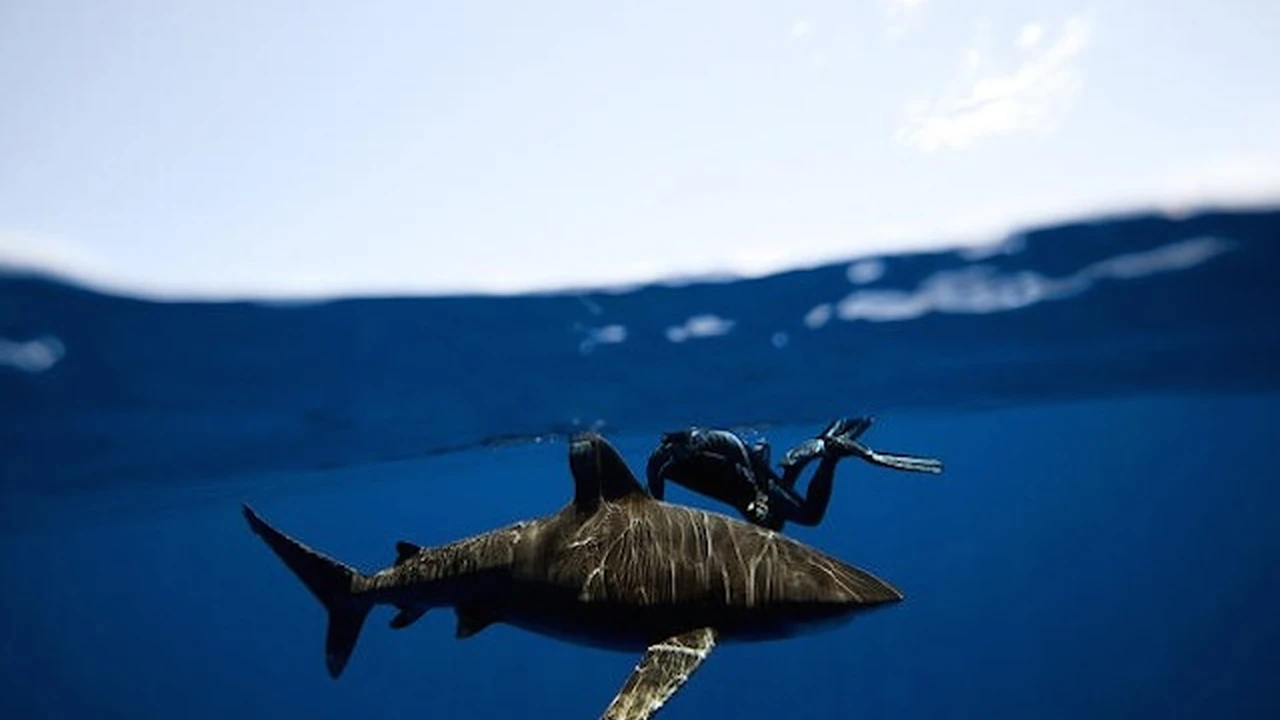
Scuba Diving and Local Culture Exploring Beyond the Dive
Tips for immersing yourself in the local culture and traditions of your dive destination.
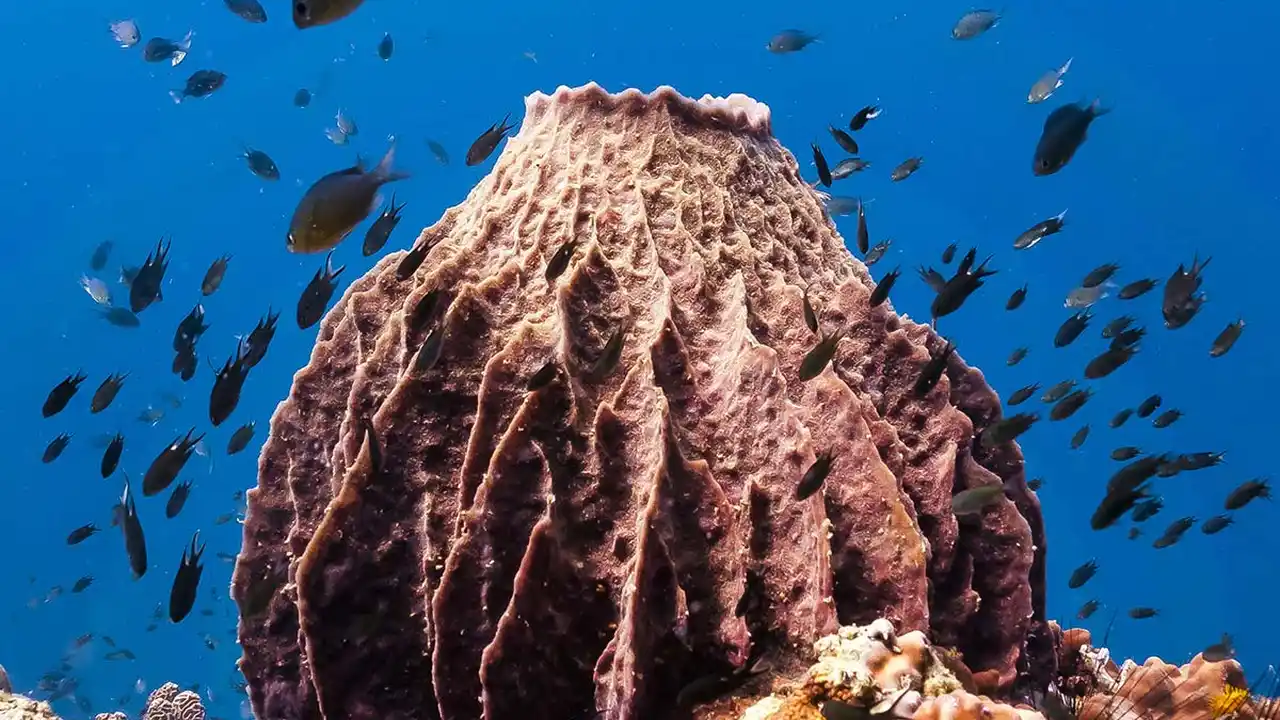
Tips for immersing yourself in the local culture and traditions of your dive destination. When you travel for scuba diving, the underwater world is undoubtedly the main attraction. But what if you could enrich your trip even further by connecting with the local culture and traditions of your destination? Exploring beyond the dive site can transform a great dive trip into an unforgettable cultural adventure. It's about understanding the people, their history, their food, and their way of life. This not only broadens your perspective but also often leads to a deeper appreciation for the marine environments you're exploring, as local communities often have a profound connection to the ocean.
Scuba Diving and Local Culture Exploring Beyond the Dive
Why Immerse Yourself in Local Culture Beyond Scuba Diving
Diving offers a unique window into the marine world, but the surface world of your destination holds just as much wonder. Engaging with local culture provides a holistic travel experience. It allows you to understand the context of the dive sites – how local communities interact with the ocean, their conservation efforts, or even the historical significance of certain wrecks. Beyond that, it's simply a more rewarding way to travel. You're not just a tourist; you're a temporary resident, learning and contributing to the local economy in a more meaningful way. This approach often leads to unexpected discoveries, genuine connections, and memories that last long after your tan fades.
Embracing Local Cuisine and Culinary Experiences
Food is often the easiest and most delicious way to dive into a new culture. Forget the resort buffet for a night or two and seek out local eateries. This isn't just about eating; it's about experiencing. Try street food, visit local markets, or even take a cooking class. In Southeast Asia, for example, you might find incredible fresh seafood prepared with unique spices you've never encountered. In the Caribbean, the fusion of African, European, and indigenous flavors creates a vibrant culinary scene. Don't be afraid to ask locals for recommendations – they often know the best hidden gems. For instance, in the Philippines, try 'Kinilaw' (ceviche-like raw fish) or 'Adobo' (a savory stew). In Thailand, 'Pad Thai' and 'Tom Yum Goong' are staples, but venture out to try regional specialties. In Mexico, beyond tacos, explore 'Mole' sauces or fresh 'Ceviche'.
Recommended Culinary Experiences and Products
- Local Cooking Classes: Many destinations offer half-day or full-day cooking classes. These are fantastic for learning about local ingredients and techniques. For example, in Chiang Mai, Thailand, you can find numerous reputable cooking schools. Prices typically range from $30-$70 USD.
- Food Tours: Join a guided food tour to sample a variety of local dishes and learn about their history. These are popular in cities like George Town, Penang (Malaysia) or Ho Chi Minh City (Vietnam). Expect to pay around $40-$100 USD.
- Market Visits: Explore local wet markets or farmers' markets. This is a sensory experience and a great way to see fresh produce, spices, and local life. No specific product to buy, just immerse yourself!
- Street Food Vendors: Don't shy away from reputable street food stalls. Look for places with long lines of locals – that's usually a good sign. Prices are incredibly affordable, often just a few dollars per dish.
Engaging with Local Arts Crafts and Traditions
Beyond the plate, explore the artistic and traditional expressions of your destination. Visit local art galleries, craft markets, or attend traditional performances. This could be anything from intricate wood carvings in Bali, Indonesia, to vibrant textile weaving in Guatemala, or traditional dance performances in Fiji. These activities offer insights into the history, beliefs, and daily lives of the people. When purchasing souvenirs, try to buy directly from local artisans rather than mass-produced items. This supports the local economy and ensures you're taking home something authentic and meaningful. For example, in many parts of Southeast Asia, you'll find beautiful batik fabrics or hand-painted ceramics. In the Caribbean, look for unique straw work or vibrant paintings.
Supporting Local Artisans and Cultural Products
- Handicraft Markets: Seek out markets specifically for local crafts. For instance, the Central Market in Kuala Lumpur, Malaysia, or the various night markets in Thailand. Prices vary widely depending on the item.
- Art Galleries and Studios: Many tourist areas will have local art galleries. Look for smaller, independent studios where you can meet the artists.
- Traditional Performances: Attend a cultural show. In Bali, a Kecak dance performance is a must-see. In Hawaii, a luau often includes traditional hula dancing. Ticket prices typically range from $20-$80 USD.
- Authentic Souvenirs: Instead of generic keychains, look for items like hand-woven baskets, local pottery, or traditional musical instruments. For example, in the Philippines, 'Barong Tagalog' (embroidered formal shirts) are a unique cultural item.
Learning Basic Phrases and Local Etiquette for Divers
A little effort goes a long way. Learning a few basic phrases in the local language – 'hello,' 'thank you,' 'please,' 'excuse me' – can open doors and show respect. Locals appreciate the effort, even if your pronunciation isn't perfect. Beyond language, understanding local customs and etiquette is crucial. This includes dress codes, greetings, dining manners, and appropriate behavior in religious sites. For instance, in many Asian countries, it's customary to remove your shoes before entering a home or temple. In some cultures, pointing with your finger is considered rude. A quick online search or a chat with your dive operator can provide valuable insights into local norms. Being mindful of these details demonstrates respect and can significantly enhance your interactions with locals.
Language Learning Tools and Etiquette Guides
- Phrasebooks: Small, portable phrasebooks are great for quick reference. Brands like Lonely Planet or Rough Guides offer excellent options, usually under $15 USD.
- Language Learning Apps: Apps like Duolingo (free with ads, premium subscription available for $6.99/month) or Babbel (starts at $13.95/month) can help you learn basic phrases before you go.
- Online Resources: Websites like Culture Smart! or Kwintessential offer detailed guides on cultural etiquette for various countries. These are often free to browse.
- Local Dive Guides: Your dive master or local dive shop staff are excellent resources for quick tips on local customs. Don't hesitate to ask them!
Visiting Historical Sites and Cultural Landmarks
Many dive destinations are rich in history and culture. Take a day or two away from the water to explore ancient ruins, colonial towns, or significant landmarks. This provides a deeper understanding of the region's past and its influence on the present. For example, if you're diving in Mexico, a visit to Mayan ruins like Tulum or Chichen Itza is a must. In Egypt, the pyramids and ancient temples are awe-inspiring. Even smaller islands often have fascinating historical stories, from pirate hideouts to ancient fishing villages. These excursions offer a different kind of adventure and a chance to stretch your legs while absorbing some local heritage. They also provide fantastic photo opportunities that complement your underwater shots.
Exploring Historical and Cultural Sites
- Guided Tours: Joining a local guided tour can provide invaluable context and stories about historical sites. Prices vary widely depending on the duration and exclusivity, from $20 for a group tour to hundreds for private tours.
- Museums: Many cities have excellent museums dedicated to local history, art, or natural history. Entrance fees are usually modest, often under $15 USD.
- Self-Guided Exploration: With a good map and some online research, you can explore many sites independently. This offers flexibility and can be more budget-friendly.
- Local Transportation: Use local buses, trains, or even tuk-tuks to get around. This is an experience in itself and allows you to see more of daily life.
Participating in Local Festivals and Events
If your travel dates align, try to experience a local festival or event. These are vibrant celebrations of culture, often involving music, dance, traditional costumes, and special foods. From religious holidays to harvest festivals, these events offer a unique glimpse into the heart and soul of a community. For example, the 'Ati-Atihan' festival in the Philippines, 'Songkran' (Thai New Year) in Thailand, or 'Carnival' in the Caribbean are incredible experiences. Even smaller, local village festivals can be incredibly rewarding. Check local tourism calendars before you book your trip to see if any major events coincide with your visit. Be prepared for crowds, but also for an unparalleled atmosphere of joy and community.
Finding and Enjoying Local Events
- Tourism Board Websites: Official tourism websites for your destination often list upcoming festivals and events.
- Local News and Event Listings: Once you arrive, check local newspapers or community boards for smaller, more intimate events.
- Ask Your Dive Operator: They often have insider knowledge about local happenings.
- Be Open and Flexible: Sometimes the best experiences are stumbled upon unexpectedly. Be open to spontaneous invitations or detours.
Responsible Tourism and Community Engagement for Divers
As divers, we often witness the beauty and fragility of marine ecosystems. Extending this awareness to the local communities is part of responsible tourism. Choose dive operators and accommodations that employ locals, support fair wages, and engage in sustainable practices. Consider volunteering for a day with a local conservation project, whether it's a beach clean-up or a coral restoration initiative. When interacting with locals, be respectful of their customs, ask for permission before taking photos, and avoid making assumptions. Your presence as a tourist has an impact; strive to make it a positive one. This not only benefits the community but also enriches your own travel experience, fostering a deeper connection to the places you visit.
Ethical Travel Practices and Products
- Choose Eco-Friendly Dive Operators: Look for operators with certifications like Green Fins or those actively involved in marine conservation.
- Support Local Businesses: Eat at local restaurants, buy from local shops, and use local transportation.
- Minimize Your Footprint: Reduce plastic waste, conserve water and energy, and dispose of trash properly. Consider bringing a reusable water bottle and a travel filter like the Lifestraw Go ($39.95 USD) to avoid buying plastic bottles.
- Volunteer Opportunities: Research local NGOs or conservation groups that offer short-term volunteer programs. Websites like Workaway or Worldpackers can list such opportunities, though some may require a membership fee.
- Respect Wildlife: Maintain a respectful distance from marine life and never touch or harass animals.
By consciously stepping beyond the dive boat and engaging with the local culture, you're not just seeing a place; you're experiencing it. This holistic approach to travel creates richer memories, fosters genuine connections, and leaves you with a deeper appreciation for both the underwater wonders and the vibrant communities that call these dive destinations home. So, on your next dive trip, make sure to allocate some time to explore the fascinating world above the waves too. You won't regret it.
:max_bytes(150000):strip_icc()/277019-baked-pork-chops-with-cream-of-mushroom-soup-DDMFS-beauty-4x3-BG-7505-5762b731cf30447d9cbbbbbf387beafa.jpg)