Top Scuba Diving Certifications Beyond Open Water
Overview of various specialty certifications that allow divers to explore specific interests.

Overview of various specialty certifications that allow divers to explore specific interests.
Top Scuba Diving Certifications Beyond Open Water
Why Go Beyond Your Open Water Certification
So, you've got your Open Water Diver certification. Congratulations! You've taken your first giant stride into the incredible underwater world. But let's be real, that's just the beginning of your diving journey. Think of it like getting your driver's license – you can drive, but you're not exactly ready for Formula 1 or off-roading in the desert. The same goes for diving. While Open Water allows you to explore many beautiful sites, there's a whole universe of specialized diving experiences waiting for you. Going beyond your initial certification opens up new depths, new environments, and new skills that will make you a more confident, capable, and ultimately, safer diver. Plus, it's a fantastic way to meet like-minded people and explore specific passions, whether it's photography, wreck diving, or even becoming a dive professional.
Advanced Open Water Diver Your Next Logical Step
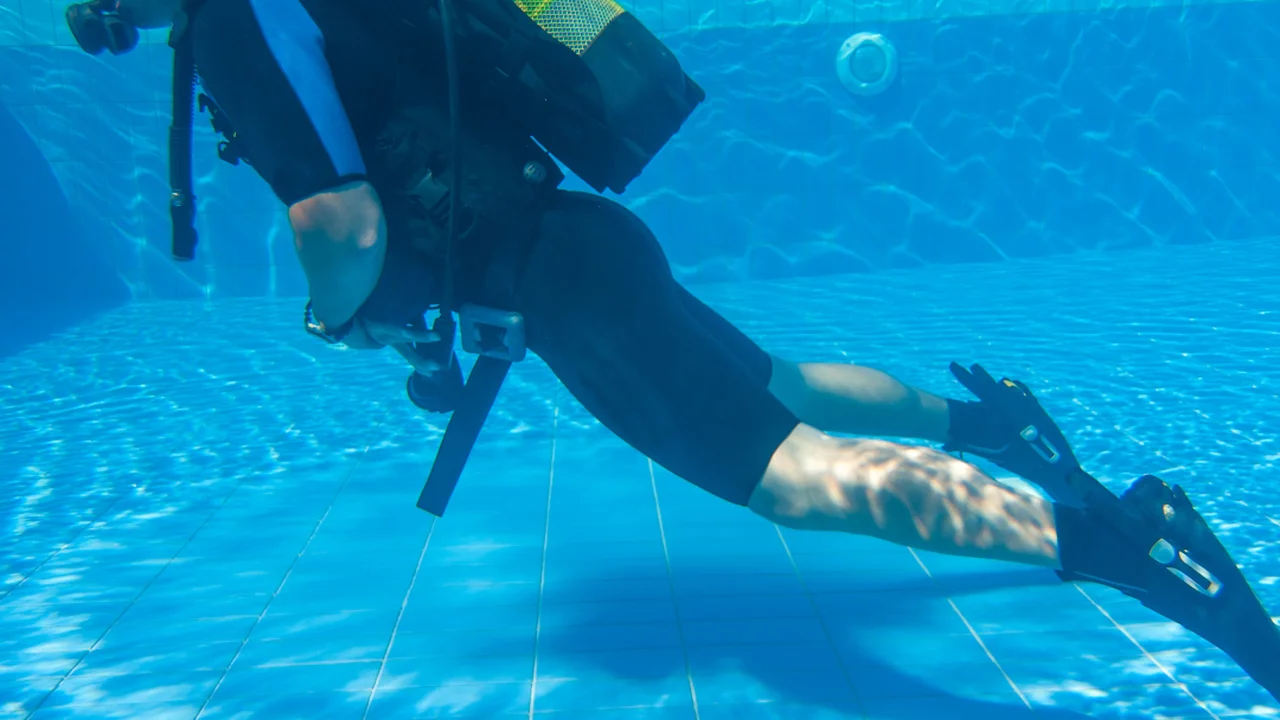
If you're wondering what's next after Open Water, the Advanced Open Water Diver (AOWD) course is almost universally recommended as the logical progression. It's not about becoming an 'advanced' diver in the sense of being an expert, but rather about gaining 'advanced' experience in different types of diving. This course typically involves five adventure dives, two of which are mandatory: Deep Dive and Underwater Navigation. The other three are elective, allowing you to tailor the course to your interests. Common electives include Night Diving, Peak Performance Buoyancy, Wreck Diving, Underwater Photography, and Drift Diving. This course is fantastic for building confidence and exposing you to various diving scenarios under the guidance of an instructor. It's less about classroom time and more about practical application, which is exactly what you need to become a better diver.
Specialty Certifications Dive Deeper into Your Passions
Once you've got your AOWD, or even if you want to skip it and focus on a specific area, specialty certifications are where you can really hone in on what excites you most about diving. There are dozens of specialties offered by agencies like PADI, SSI, NAUI, and others. Let's break down some of the most popular and rewarding ones:
Deep Diver Certification Exploring Greater Depths Safely
The Deep Diver specialty is crucial if you plan on exploring sites beyond 60 feet (18 meters). While your AOWD includes a deep dive, this specialty takes it further, typically allowing you to dive to a maximum recreational depth of 130 feet (40 meters). You'll learn about the physiological effects of pressure at depth, gas narcosis, decompression limits, and emergency procedures specific to deep diving. This certification is a must for accessing many popular wreck sites and deeper reefs.
Wreck Diver Certification Uncovering Underwater History
For history buffs and adventure seekers, the Wreck Diver specialty is incredibly captivating. You'll learn how to safely explore shipwrecks, understanding their history, mapping techniques, and penetration procedures (if applicable and within safe limits). This course emphasizes hazard identification, line laying, and proper equipment for wreck diving. It's an exhilarating way to connect with the past and witness marine life thriving on artificial reefs.
Enriched Air Nitrox Diver Extending Your Bottom Time
Often cited as the most popular specialty, Enriched Air Nitrox Diver allows you to dive with a higher percentage of oxygen than regular air, which means less nitrogen absorption. This translates to longer no-decompression limits, especially on repetitive dives, and often shorter surface intervals. It's not about going deeper, but about staying longer. This certification is purely academic and can often be completed online, making it a convenient and highly beneficial addition to your diving toolkit. Many liveaboards and dive centers offer Nitrox for free or at a reduced cost once you're certified.
Underwater Photographer/Videographer Capturing the Beauty Below
If you're constantly trying to get that perfect shot of a turtle or a vibrant coral, the Underwater Photographer or Videographer specialty is for you. You'll learn about camera settings, lighting (natural and artificial), composition, and post-processing techniques specific to the underwater environment. This course can significantly improve your ability to capture stunning images and videos, allowing you to share the magic of the underwater world with others.
Recommended Gear for Underwater Photography/Videography:
- Beginner Setup: GoPro HERO12 Black with Dive Housing and Red Filter.
- Description: The GoPro is incredibly user-friendly, compact, and durable. The HERO12 Black offers excellent 5.3K video and 27MP photos. A dedicated dive housing (like the GoPro Protective Housing) is essential for depths beyond 33ft (10m), and a red filter helps restore natural colors lost at depth.
- Use Case: Perfect for casual divers who want to capture good quality video and stills without a steep learning curve or significant investment. Great for travel due to its small size.
- Comparison: Simpler than dedicated camera systems, less control over manual settings, but unbeatable for ease of use and portability.
- Estimated Price: GoPro HERO12 Black: $399-$449; Protective Housing: $49-$59; Red Filter: $20-$30.
- Mid-Range Setup: Olympus TG-6 with PT-059 Housing and Strobe.
- Description: The Olympus TG-6 is a rugged, waterproof compact camera known for its excellent macro capabilities and 'microscope mode.' Paired with its custom PT-059 housing, it's a powerful tool. Adding an external strobe (like the Sea & Sea YS-03 Solis) dramatically improves color and reduces backscatter.
- Use Case: Ideal for divers who want more control than a GoPro, especially for macro photography, but aren't ready for a full DSLR/mirrorless setup. The strobe makes a huge difference in image quality.
- Comparison: Offers more manual control and better image quality than a GoPro, especially in low light or for macro. Still relatively compact compared to pro setups.
- Estimated Price: Olympus TG-6: $449-$499; PT-059 Housing: $329-$379; Sea & Sea YS-03 Solis Strobe: $399-$449.
- Professional Setup: Sony Alpha a7C II (or similar mirrorless) with Ikelite Housing and Dual Strobes.
- Description: A full-frame mirrorless camera like the Sony a7C II offers incredible image quality, low-light performance, and dynamic range. An Ikelite housing provides robust protection and access to all camera controls. Dual strobes (e.g., two Inon Z-330s or Sea & Sea YS-D3 IIs) are essential for even lighting and eliminating shadows on wide-angle shots.
- Use Case: For serious enthusiasts or professionals who demand the highest image quality, full manual control, and versatility for both wide-angle and macro photography.
- Comparison: Top-tier image quality and flexibility, but significantly larger, heavier, and more expensive. Requires more technical knowledge to operate effectively.
- Estimated Price: Sony a7C II: $2199-$2499; Ikelite Housing: $1600-$2000; Dual Strobes (each): $700-$1000.
Peak Performance Buoyancy Mastering Your Control
This specialty might not sound as exciting as wreck diving, but it's arguably one of the most important. Perfect buoyancy control is the hallmark of an experienced diver. This course refines your weighting, trim, and breathing techniques to help you hover effortlessly, conserve air, and avoid damaging delicate marine environments. Good buoyancy makes every dive more enjoyable and safer.
Drift Diver Navigating Currents with Ease
Many of the world's most vibrant dive sites are characterized by currents, which bring in nutrients and attract abundant marine life. The Drift Diver specialty teaches you how to safely and enjoyably dive in currents, using them to your advantage. You'll learn about entry and exit techniques, buddy procedures, and how to stay together as a group while drifting along a reef or wall.
Night Diver Experiencing the Ocean After Dark
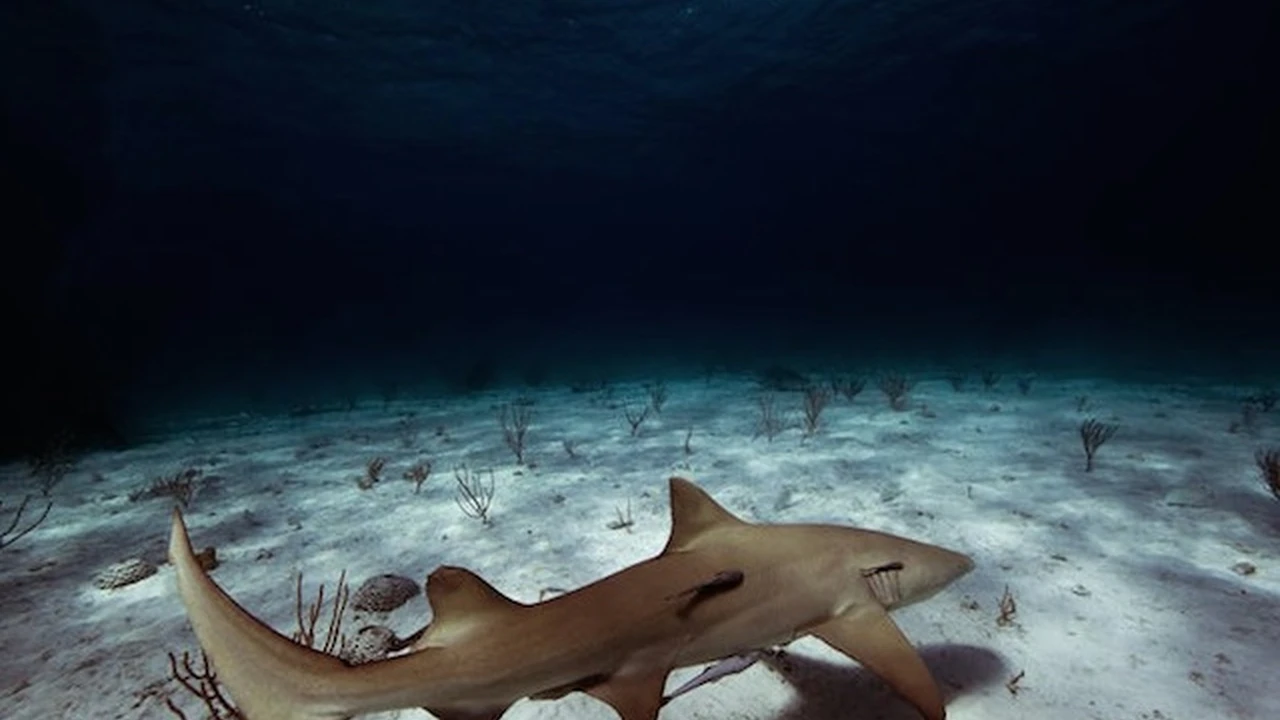
Diving at night is a completely different experience. The reef transforms, with nocturnal creatures emerging and colors appearing more vibrant under the beam of your dive light. The Night Diver specialty teaches you about night diving planning, navigation in the dark, communication techniques, and how to manage your light. It's an ethereal and often magical experience.
Search and Recovery Diver Finding Lost Treasures
Ever lost something underwater? Or perhaps you're interested in helping others find lost items? The Search and Recovery Diver specialty teaches you effective search patterns, how to use lift bags to bring objects to the surface, and proper knot tying. It's a practical and rewarding skill set.
Rescue Diver Becoming a Confident Problem Solver
The Rescue Diver course is often considered one of the most challenging but also the most rewarding certifications. It shifts your focus from just yourself to the safety and well-being of other divers. You'll learn how to prevent problems, recognize potential issues, and effectively manage dive emergencies, from tired divers to unconscious divers. This course builds immense confidence and makes you a valuable asset to any dive team. It's a prerequisite for becoming a Divemaster.
Professional Level Certifications Taking Your Passion to the Next Level
If you've fallen completely in love with diving and want to make it more than just a hobby, professional-level certifications are your next step. These are serious commitments but open doors to working in the dive industry.
Divemaster Your First Professional Step
The Divemaster certification is the first professional rating. As a Divemaster, you can supervise diving activities and assist instructors with student divers. You'll refine your diving skills to demonstration quality, expand your dive theory knowledge, and develop leadership abilities. It's an intensive program that prepares you for a career in diving, whether leading guided dives, working on liveaboards, or managing a dive shop.
Open Water Scuba Instructor Teaching the World to Dive
The Open Water Scuba Instructor (OWSI) certification allows you to teach people to dive and issue certifications. This is a comprehensive program that covers teaching methodologies, risk management, and the full range of PADI/SSI/NAUI courses. Becoming an instructor is incredibly rewarding, allowing you to share your passion and introduce new people to the underwater world.
Technical Diving Certifications Pushing the Boundaries
For a select few, recreational diving isn't enough. Technical diving involves going beyond recreational limits, often using specialized gas mixtures (like Trimix), rebreathers, and extensive decompression procedures. These courses are highly demanding and require significant commitment, training, and specialized equipment. Examples include Tec Deep Diver, Trimix Diver, and Closed Circuit Rebreather Diver. This is a niche area for experienced divers seeking extreme challenges and exploration.
Choosing Your Next Certification What to Consider
With so many options, how do you choose? Here are a few things to consider:
- Your Interests: What aspects of diving excite you most? Wrecks? Marine life? Photography?
- Your Goals: Do you want to go deeper? Stay longer? Become a professional?
- Your Location: Are there specific types of diving prevalent in your local area or dream destinations?
- Your Budget and Time: Some courses are more expensive and time-consuming than others.
- Your Instructor: A good instructor can make all the difference. Seek recommendations and find someone you connect with.
No matter what you choose, continuing your dive education is an investment in your safety, enjoyment, and overall experience in the water. Each new certification adds another layer to your understanding and appreciation of the incredible underwater world. So, what's your next adventure?
:max_bytes(150000):strip_icc()/277019-baked-pork-chops-with-cream-of-mushroom-soup-DDMFS-beauty-4x3-BG-7505-5762b731cf30447d9cbbbbbf387beafa.jpg)