The Ultimate Guide to Scuba Diving in the Maldives
Everything you need to know about diving in the Maldives, from liveaboards to manta ray encounters.
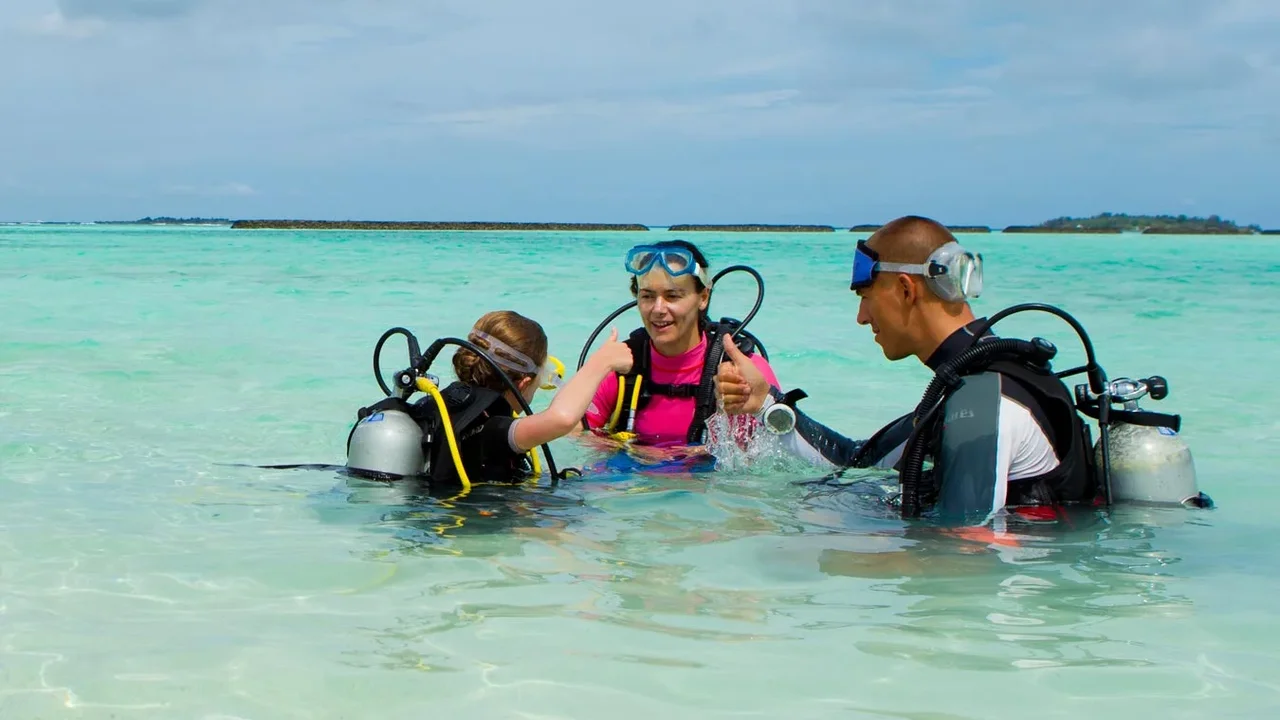
Everything you need to know about diving in the Maldives, from liveaboards to manta ray encounters.
The Ultimate Guide to Scuba Diving in the Maldives
Welcome, fellow ocean enthusiasts! If you're dreaming of crystal-clear turquoise waters, vibrant coral reefs, and an abundance of marine life, then the Maldives should be at the very top of your scuba diving bucket list. This island nation, nestled in the heart of the Indian Ocean, is renowned worldwide as a premier diving destination. Whether you're a seasoned pro or just starting your underwater journey, the Maldives offers an unparalleled experience that will leave you breathless (in a good way, of course!).
In this ultimate guide, we'll dive deep into everything you need to know about scuba diving in the Maldives. We'll cover the best dive sites, the incredible marine life you can expect to encounter, the pros and cons of liveaboards versus resort diving, essential gear recommendations, and even some tips for planning your perfect Maldivian dive adventure. So, grab your fins, and let's get started!
Why Choose the Maldives for Your Scuba Diving Adventure
What makes the Maldives so special for divers? It's a combination of factors that create a truly magical underwater world. First and foremost, the visibility is often astounding, frequently exceeding 30 meters (100 feet), allowing for incredible views of the expansive reefs and distant marine life. The water temperature is consistently warm, hovering around 26-30°C (79-86°F) year-round, meaning you can often dive with just a rash guard or a thin wetsuit, adding to the comfort and enjoyment.
But beyond the perfect conditions, it's the sheer biodiversity that truly sets the Maldives apart. The archipelago is home to over 2,000 species of fish, 200 species of coral, and countless other invertebrates. You'll encounter everything from tiny nudibranchs and colorful reef fish to majestic manta rays, graceful whale sharks, and a variety of sharks. The unique atoll formations create a natural playground for marine life, with channels, thilas (underwater pinnacles), and giris (smaller pinnacles) providing diverse habitats.
Maldives Dive Sites Top Picks for Every Diver
The Maldives boasts hundreds of dive sites, each with its own unique charm. Here are some of the most famous and highly recommended spots that cater to different diving preferences:
Maaya Thila Night Dive Thrills and White Tip Sharks
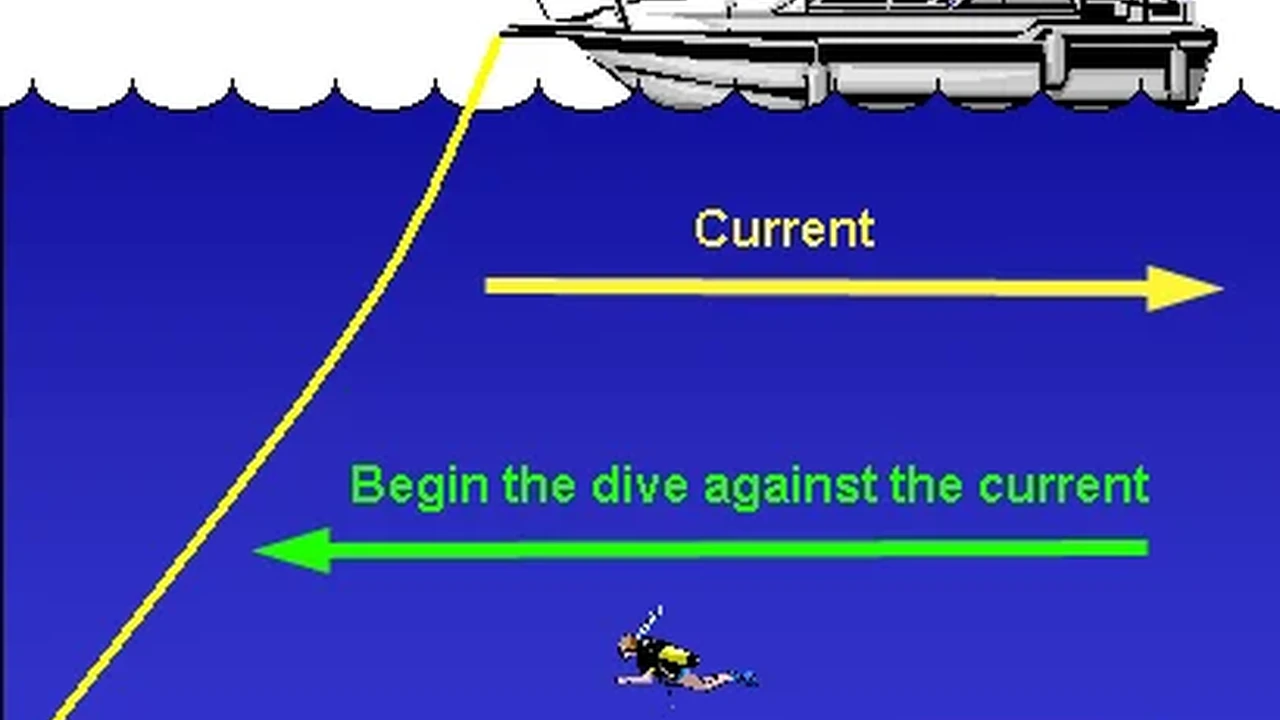
Located in the North Ari Atoll, Maaya Thila is often hailed as one of the best night dives in the world. As darkness falls, this underwater pinnacle comes alive with hunting white-tip reef sharks, giant trevally, moray eels, and octopuses. During the day, it's still a fantastic dive with abundant reef fish, turtles, and occasional eagle rays. It's a relatively shallow dive, making it accessible for many, but the currents can be strong, so it's best suited for experienced divers or those comfortable with drift diving.
Hanifaru Bay Manta Ray and Whale Shark Encounters
If encountering manta rays and whale sharks is your dream, then Hanifaru Bay in Baa Atoll is your pilgrimage site. This UNESCO Biosphere Reserve is a protected marine park and a seasonal feeding ground for these gentle giants. During the southwest monsoon (roughly May to November), plankton accumulates in the bay, attracting hundreds of manta rays and often whale sharks. While scuba diving is restricted here to protect the animals, snorkeling with these magnificent creatures is an unforgettable experience. Many liveaboards and resorts offer dedicated trips to Hanifaru Bay during the season.
Fish Head Mushimasmingali Thila Shark Action
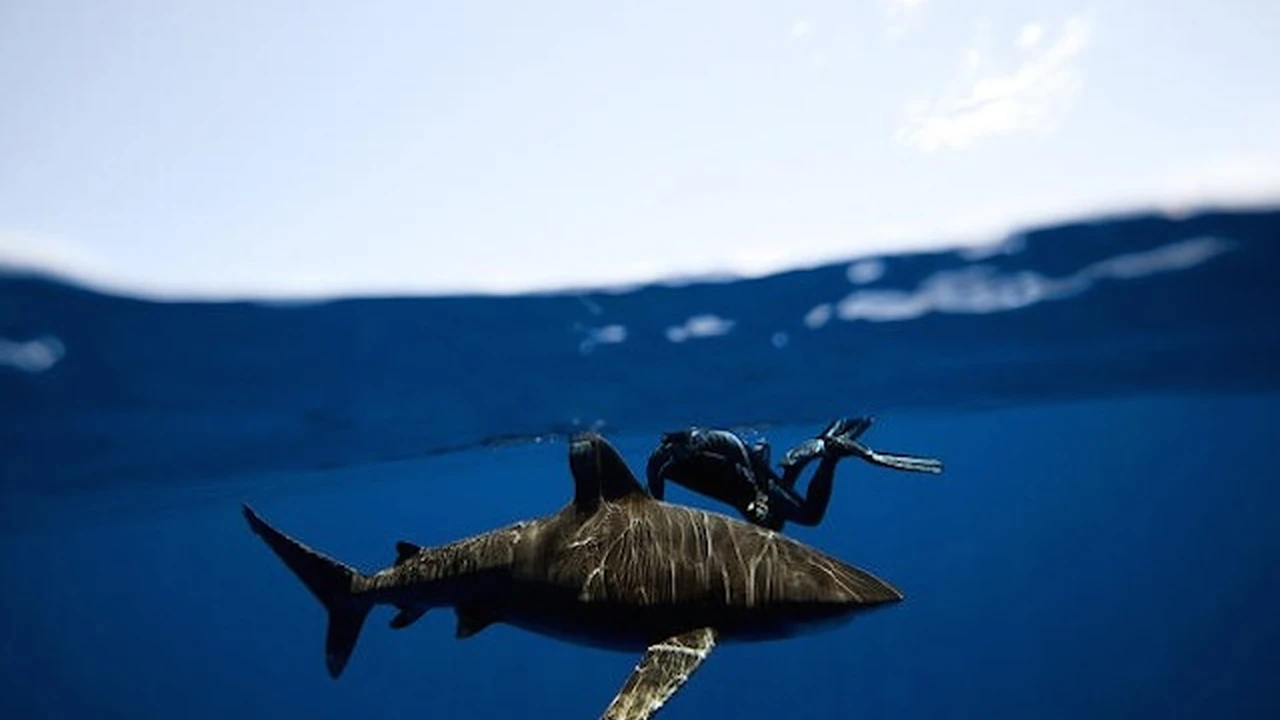
Also known as Shark Point, Fish Head in North Ari Atoll is famous for its resident population of grey reef sharks. This thila rises from the seabed to about 10 meters (33 feet) below the surface, offering multiple levels for divers to observe the shark action. You'll also find schooling fusiliers, snappers, and barracudas. Currents can be strong, so a reef hook might be useful here to hold your position and enjoy the show.
Kuredu Express Drift Diving and Eagle Rays
Situated in the Lhaviyani Atoll, Kuredu Express is a thrilling drift dive along a channel. The strong currents here attract large pelagic species, including grey reef sharks, eagle rays, and sometimes even hammerheads. The reef wall is adorned with beautiful soft corals. This dive is for experienced divers comfortable with fast currents and negative entries.
Broken Rock Unique Coral Formations
In the South Ari Atoll, Broken Rock is named for a large, split coral formation that creates a swim-through canyon. This site is a macro photographer's delight, with a plethora of nudibranchs, moray eels, and colorful reef fish hiding in the crevices. It's a relatively easy dive, suitable for all levels, and offers a unique topography to explore.
Maldives Marine Life A Kaleidoscope of Species
Beyond the specific dive sites, the general marine life in the Maldives is simply astounding. Here's a glimpse of what you can expect to see:
- Sharks: White-tip reef sharks, grey reef sharks, black-tip reef sharks, nurse sharks, whale sharks (seasonal), and occasionally hammerheads.
- Rays: Manta rays (seasonal, especially in Hanifaru Bay), eagle rays, and stingrays.
- Turtles: Green sea turtles, hawksbill turtles, and loggerhead turtles are commonly sighted.
- Reef Fish: A dazzling array of butterflyfish, angelfish, parrotfish, clownfish, triggerfish, snappers, groupers, and fusiliers.
- Pelagics: Barracudas, trevally, tuna, and sometimes even dolphins.
- Macro Life: Nudibranchs, moray eels, octopus, cuttlefish, and various crustaceans.
Liveaboard vs Resort Diving Choosing Your Maldivian Dive Experience
When planning your Maldives dive trip, one of the biggest decisions is whether to stay at a resort or embark on a liveaboard. Both offer incredible experiences, but they cater to different preferences.
Liveaboard Diving Maximizing Dive Time and Remote Sites
Pros:
- More Dives: Liveaboards typically offer 3-4 dives per day, allowing you to maximize your underwater time.
- Access to Remote Sites: They can reach more remote and pristine dive sites that are inaccessible from resorts.
- Focus on Diving: The entire trip is centered around diving, with like-minded individuals.
- Value: Often, liveaboards can be more cost-effective than staying at a luxury resort, as accommodation, food, and diving are all included.
Cons:
- Limited Land Exploration: You'll spend most of your time on the boat, with less opportunity to explore islands or local culture.
- Less Privacy: Cabins can be smaller, and you're in close quarters with other guests.
- Motion Sickness: If you're prone to seasickness, this might be a concern.
Recommended Liveaboards:
- MV Carpe Diem: A popular choice known for its comfortable cabins, excellent food, and experienced crew. They offer various itineraries focusing on different atolls. Prices typically range from $2,000 - $4,000 USD for a 7-night trip, depending on the cabin type and season.
- Maldives Aggressor II: Part of the renowned Aggressor Fleet, offering a high standard of service, spacious cabins, and well-planned dive itineraries. Expect prices from $2,500 - $5,000 USD for a week.
- Blue Force One: A luxury liveaboard with modern amenities, a jacuzzi, and excellent dive guides. Prices can be higher, starting around $3,000 USD for a week.
Resort Diving Comfort and Island Life
Pros:
- Luxury and Comfort: Resorts offer spacious rooms, private beaches, spas, and a variety of dining options.
- Non-Diving Activities: Plenty of activities for non-diving companions or for days when you're not diving, such as snorkeling, watersports, and island excursions.
- Flexibility: You can choose when and how often you want to dive.
Cons:
- Limited Dive Sites: You're restricted to dive sites accessible from your resort, which might not include the most remote or famous spots.
- Fewer Dives: Typically 2-3 dives per day, with less emphasis on maximizing dive time.
- Higher Cost: Luxury resorts can be significantly more expensive, especially when factoring in diving costs separately.
Recommended Dive Resorts:
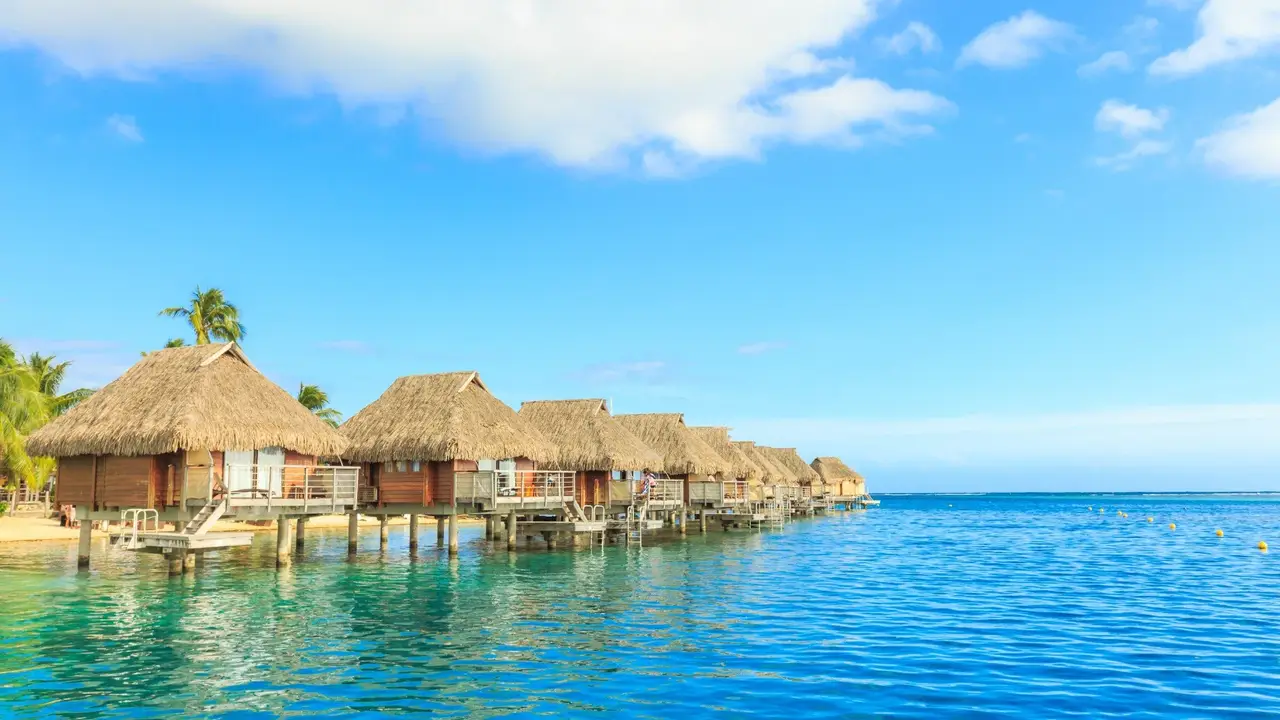
- W Maldives: Known for its vibrant house reef and excellent dive center. Offers luxurious overwater and beach villas. A 7-night stay with diving can easily exceed $7,000 - $10,000 USD.
- Park Hyatt Hadahaa: Located in a pristine atoll, offering incredible house reef diving and a focus on sustainability. Prices for a week can range from $5,000 - $8,000 USD.
- Vilamendhoo Island Resort & Spa: A popular choice for divers, offering a great house reef and easy access to manta ray cleaning stations. More mid-range, with a week costing around $3,000 - $5,000 USD.
Essential Scuba Diving Gear for Your Maldives Trip
While most dive centers and liveaboards offer rental gear, having your own well-fitting equipment can significantly enhance your diving experience. Here are some key pieces of gear to consider for your Maldives adventure:
Wetsuit Thermal Protection and Reef Protection
Given the warm water temperatures, a thick wetsuit isn't necessary. A 3mm full suit or even a 0.5mm-1mm rash guard or shorty is usually sufficient for thermal protection. However, a full suit offers better protection against accidental bumps with coral or potential stings from jellyfish (though rare). For example, the Scubapro Everflex 3/2mm Wetsuit (around $250-$350 USD) offers excellent flexibility and warmth for tropical waters. Alternatively, a simple Mares Rash Guard (around $40-$60 USD) provides UV protection and a thin layer of warmth.
Mask and Snorkel Clear Vision and Surface Comfort
A comfortable, well-fitting mask is crucial for clear underwater vision. Look for a low-volume mask with a wide field of view. The Aqua Lung Look 2 Mask (around $80-$120 USD) is a popular choice known for its comfort and fit. For snorkels, a simple, comfortable one with a purge valve like the Cressi Supernova Dry Snorkel (around $30-$50 USD) is perfect for surface intervals or snorkeling in Hanifaru Bay.
Fins Propulsion and Efficiency
Open-heel fins with booties are generally preferred for their power and comfort, especially if you'll be doing drift dives. The Mares Avanti Quattro Plus Fins (around $150-$200 USD) are highly regarded for their balance of power and efficiency. If you prefer full-foot fins for simplicity, the Scubapro Go Travel Fins (around $80-$120 USD) are compact and perform well.
Dive Computer Essential Safety Device
A dive computer is non-negotiable for safety, tracking your depth, bottom time, and no-decompression limits. For beginners, a user-friendly wrist-mounted computer like the Aqua Lung i300C (around $350-$450 USD) is a great option, offering Bluetooth connectivity for logging dives. For more advanced divers, the Shearwater Perdix AI (around $1,000-$1,200 USD) offers air integration and advanced features, though it might be overkill for a casual trip.
BCD Buoyancy Control and Comfort
Your Buoyancy Control Device (BCD) should fit snugly and comfortably. Jacket-style BCDs are common for recreational diving, while back-inflate BCDs offer more freedom of movement. The Cressi Aquaride BCD (around $400-$550 USD) is a popular jacket-style option known for its comfort and integrated weights. For a more minimalist approach, the Scubapro Hydros Pro BCD (around $700-$900 USD) is a premium back-inflate BCD that's also travel-friendly.
Regulator Reliable Air Delivery
Your regulator is your lifeline underwater, so reliability is key. A balanced diaphragm regulator is a good choice for consistent performance. The Aqua Lung Titan Regulator (around $400-$600 USD for a complete set) is a robust and reliable option. For those seeking top-tier performance, the Scubapro MK25 EVO/S600 Regulator (around $800-$1,000 USD for a set) offers excellent breathing characteristics.
Reef Hook For Strong Currents
While not always necessary, a reef hook can be incredibly useful in the Maldives' strong currents, allowing you to safely observe marine life without finning against the current or damaging the reef. A simple stainless steel reef hook with a line (around $20-$40 USD) is sufficient. Always ensure you hook onto dead coral or rock, never live coral.
Best Time to Dive in the Maldives Seasonal Considerations
The Maldives offers excellent diving year-round, but there are distinct seasons that influence conditions and marine life encounters:
Dry Season December to May
This is generally considered the peak season for diving. The weather is sunny and dry, with calm seas and excellent visibility. This period is ideal for exploring the eastern atolls, as currents bring clear water and pelagic action. However, it's also the busiest and most expensive time to visit.
Wet Season June to November
During the southwest monsoon, you can expect more rain and choppier seas, especially in June and July. However, this is also the prime time for manta ray and whale shark sightings, particularly in the western atolls and Hanifaru Bay, as the plankton blooms. Prices for liveaboards and resorts might be slightly lower during this period, offering good value for those prioritizing big animal encounters.
Planning Your Maldives Dive Trip Essential Tips
Flights and Transfers
Velana International Airport (MLE) in Malé is the main international gateway. From there, you'll typically take a domestic flight, seaplane, or speedboat transfer to your resort or liveaboard departure point. These transfers are often arranged by your accommodation provider.
Dive Certification and Experience
Most dive centers in the Maldives require at least an Open Water Diver certification. For many of the more challenging drift dives or deeper sites, an Advanced Open Water certification is highly recommended. If you're not comfortable with currents, consider taking a drift diving specialty course before your trip.
Travel Insurance
Always invest in comprehensive travel insurance that specifically covers scuba diving. This should include medical emergencies, evacuation, and hyperbaric chamber treatment, just in case. Companies like DAN (Divers Alert Network) or World Nomads offer excellent dive-specific insurance policies.
Respecting the Marine Environment
The Maldives' reefs are fragile and precious. Practice responsible diving by maintaining excellent buoyancy control, avoiding contact with corals, and never touching or harassing marine life. Do not take anything from the ocean, and ensure you dispose of your waste properly. Many resorts and liveaboards are actively involved in conservation efforts, and supporting them helps protect this incredible ecosystem.
Photography and Videography Tips
The Maldives offers incredible opportunities for underwater photography. Consider bringing a wide-angle lens for capturing reefscapes and large animals, and a macro lens for the abundant small critters. Good lighting (strobes or video lights) will bring out the vibrant colors. Remember to practice good buoyancy to avoid stirring up sediment or damaging the reef while focusing on your shots.
Beyond the Dives Exploring Maldivian Culture
While diving is undoubtedly the main draw, take some time to experience the local Maldivian culture. If you're staying at a resort, inquire about excursions to local islands to see how Maldivians live, visit local markets, and try traditional Maldivian cuisine. Malé, the capital city, offers a glimpse into urban Maldivian life, with its bustling fish market and Grand Friday Mosque.
The Maldives truly is a diver's paradise, offering an unparalleled combination of pristine reefs, abundant marine life, and luxurious experiences. Whether you choose the adventure of a liveaboard or the comfort of a resort, your underwater journey in this breathtaking archipelago will be an experience you'll cherish forever. So, start planning, pack your bags, and get ready to discover the magic beneath the Maldivian waves!
:max_bytes(150000):strip_icc()/277019-baked-pork-chops-with-cream-of-mushroom-soup-DDMFS-beauty-4x3-BG-7505-5762b731cf30447d9cbbbbbf387beafa.jpg)