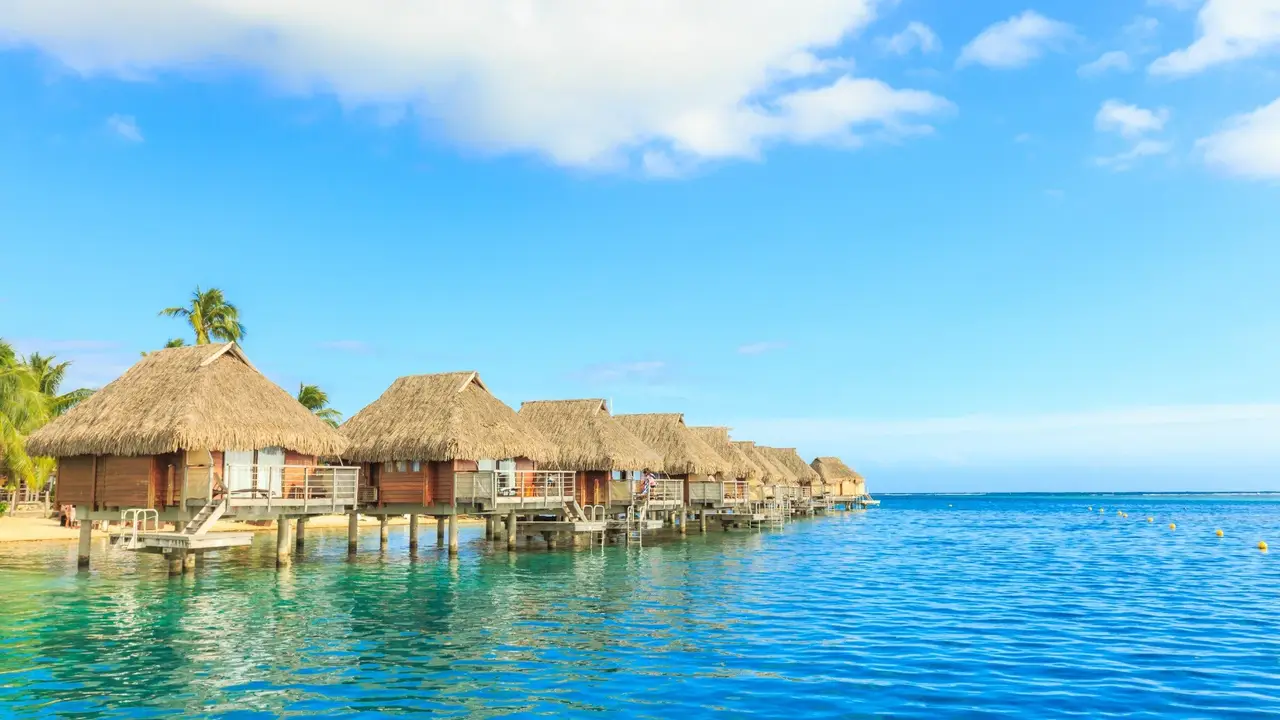
Scuba Diving on a Budget Affordable Destinations
Explore budget-friendly dive destinations that offer incredible underwater experiences without breaking the bank.
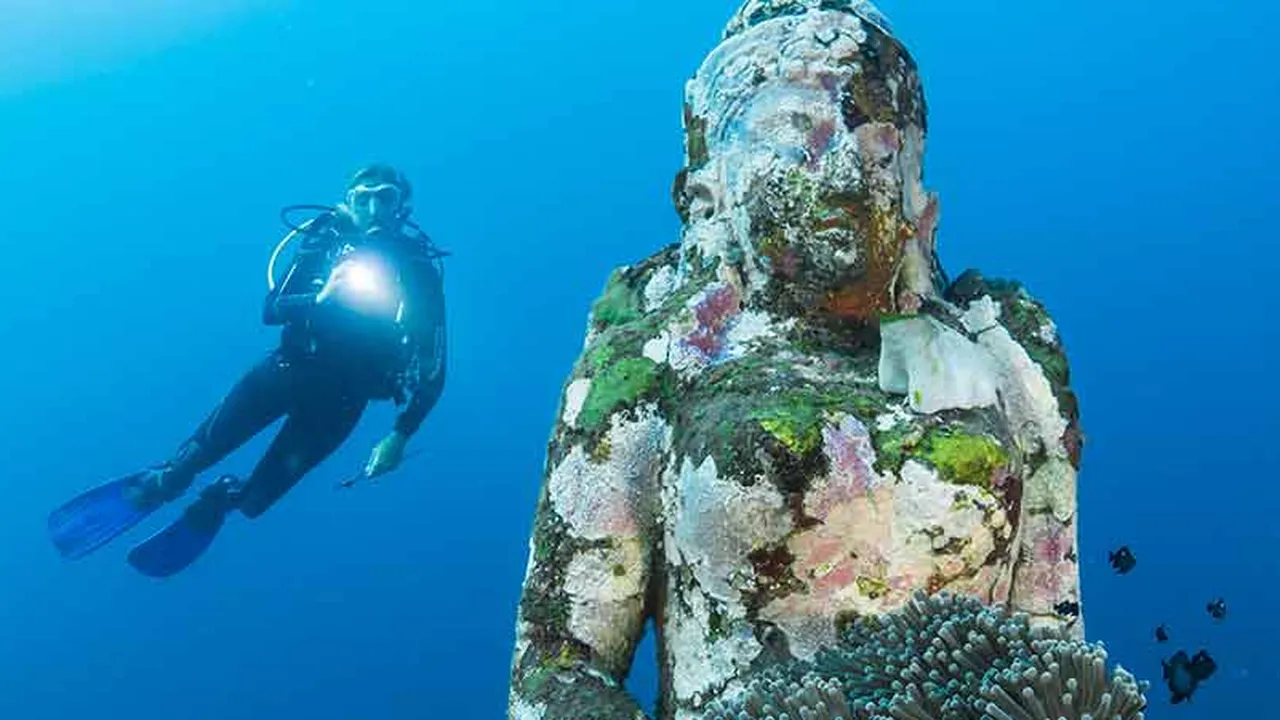
Explore budget-friendly dive destinations that offer incredible underwater experiences without breaking the bank.
Scuba Diving on a Budget Affordable Destinations
Hey there, fellow dive enthusiasts! Dreaming of crystal-clear waters, vibrant coral reefs, and encounters with incredible marine life, but worried about your wallet? You're not alone. Scuba diving can sometimes feel like an exclusive club for the wealthy, but I'm here to tell you that's simply not true. With a bit of savvy planning and knowing where to look, you can absolutely enjoy world-class diving without emptying your savings account. This guide is all about uncovering those hidden gems and giving you the lowdown on how to make your dive dreams a reality, even on a tight budget. We'll talk about destinations, gear, and smart travel hacks that will keep your bank account happy while you're exploring the depths.
Why Budget Diving Matters for Every Diver
Let's be real, who doesn't love a good deal? Budget diving isn't just for backpackers or students; it's for anyone who wants to maximize their underwater time without the financial stress. Think about it: more dives, more trips, more experiences. When you save money on one trip, that's more cash you can put towards your next adventure. Plus, some of the most authentic and untouched dive experiences are often found in less commercialized, more affordable locations. It's about smart choices, not sacrificing quality. We're talking about getting the most bang for your buck, ensuring every dive is memorable, and every penny is well spent.
Top Budget Scuba Diving Destinations Worldwide
Alright, let's get to the good stuff – where can you go to dive without breaking the bank? I've rounded up some of my favorite spots that consistently offer amazing diving at a fraction of the cost of more famous locales. These places are known for their affordability, incredible marine biodiversity, and welcoming dive communities.
Southeast Asia Budget Diving Hotspots
Southeast Asia is practically synonymous with budget travel, and scuba diving is no exception. The region offers an incredible array of dive sites, from shallow reefs perfect for beginners to challenging wrecks for advanced divers, all at prices that will make you smile.
Thailand Koh Lanta and Koh Tao Diving Value
When you think of budget diving in Thailand, Koh Tao often comes to mind, and for good reason. It's a mecca for dive certifications, offering some of the cheapest PADI and SSI courses in the world. But don't overlook Koh Lanta. While slightly less bustling than Koh Tao, it offers access to stunning dive sites like Hin Daeng and Hin Muang, known for their pelagic encounters (think manta rays and whale sharks!) and vibrant soft corals. Accommodation and food are incredibly affordable on both islands, making them perfect for extended stays. A typical fun dive in Koh Tao can be as low as $25-30 per dive if you buy a package, and even less for courses. Koh Lanta might be slightly more, around $35-45, but the quality of diving is often considered superior by many.
Philippines Palawan and Moalboal Dive Deals
The Philippines is an archipelago of over 7,000 islands, meaning endless diving opportunities. Palawan, particularly Coron and El Nido, offers breathtaking limestone karsts above water and incredible wreck diving (Coron) and pristine reefs (El Nido) below. Moalboal, on Cebu island, is famous for its sardine run – a truly mesmerizing experience where millions of sardines form massive bait balls. The cost of living and diving in the Philippines is remarkably low. You can find dives for $20-35, and local guesthouses are incredibly cheap. Food is also very budget-friendly, especially if you stick to local eateries.
Indonesia Gili Islands and Nusa Islands Affordable Diving
While Bali can be a bit pricier, its neighboring islands offer fantastic value. The Gili Islands (Trawangan, Meno, Air) near Lombok are car-free havens with abundant turtle sightings and vibrant reefs. Nusa Lembongan and Nusa Ceningan, just a short boat ride from Bali, are famous for their Mola Mola (ocean sunfish) and manta ray encounters. Dive prices here are competitive, often ranging from $30-45 per dive, and accommodation options cater to all budgets, from basic bungalows to charming guesthouses. The food scene is also very affordable, with delicious local warungs serving up tasty meals for just a few dollars.
Central America and Caribbean Budget Diving Options
While some parts of the Caribbean can be notoriously expensive, there are still pockets where your dollar stretches further, especially in Central America.
Honduras Utila Island Dive Savings
Utila, one of Honduras's Bay Islands, is often hailed as one of the cheapest places in the world to get certified and enjoy fun dives. It's a laid-back island with a strong backpacker vibe and a focus on diving. Whale shark sightings are common, and the reefs are healthy. Dive shops compete fiercely on price, driving down costs significantly. You can often find dive packages that include accommodation, making it an incredibly attractive option for budget-conscious divers. Expect to pay around $25-35 per dive, and even less for multi-dive packages.
Mexico Playa del Carmen and Cozumel Value Diving
While Cozumel is famous for its drift diving and vibrant reefs, it can be a bit pricier. However, staying in Playa del Carmen on the mainland and taking the ferry over for day trips can save you a significant amount on accommodation and food. Playa del Carmen also offers unique cenote diving experiences, which are often more affordable than ocean dives. Look for dive shops that offer packages for multiple dives or combine cenote and ocean dives for better value. Dives can range from $40-60, but package deals can bring that down.
Smart Strategies for Saving Money on Your Dive Trip
Beyond choosing the right destination, there are plenty of other ways to cut costs and make your dive budget go further. It's all about being a smart traveler and a savvy diver.
Travel Off-Season for Cheaper Diving
This is probably the biggest money-saver. Traveling during the shoulder season (just before or after peak season) or even the low season can drastically reduce prices for flights, accommodation, and even dive packages. While the weather might be a bit less predictable, you'll often find fewer crowds and more personalized service. Do your research on the best diving conditions during the off-season for your chosen destination – sometimes, the 'off-season' for tourists can actually be prime time for certain marine life!
Book Dive Packages and Multi-Dive Deals
Most dive centers offer discounts when you book multiple dives or a full package (e.g., a certification course plus fun dives). Don't be afraid to negotiate, especially if you're a group or planning an extended stay. Liveaboards, while a larger upfront cost, can often be more cost-effective than daily boat dives when you factor in accommodation, food, and the sheer number of dives you get.
Eat Local and Live Like a Local
Skip the fancy tourist restaurants. Embrace local eateries, street food, and markets. Not only will you save a ton of money, but you'll also get a more authentic cultural experience. Similarly, opt for guesthouses, hostels, or Airbnb rooms with kitchen access instead of resorts. Cooking some of your own meals can significantly reduce your food budget.
Consider Bringing Your Own Basic Gear
While renting gear is convenient, owning your own mask, snorkel, and fins can save you money in the long run, especially if you dive frequently. Plus, having your own gear ensures a comfortable fit and familiarity, which enhances your dive experience. For more advanced gear like BCDs and regulators, consider renting from a reputable shop or investing in your own if you're a very frequent diver. We'll dive into some budget-friendly gear options shortly.
Look for Dive and Stay Packages
Many dive resorts and guesthouses in budget destinations offer packages that include both accommodation and diving. These can often be significantly cheaper than booking each component separately. Always compare prices and read reviews before committing.
Budget-Friendly Scuba Gear Recommendations
Investing in your own gear can seem daunting, but it doesn't have to be. There are fantastic, reliable, and affordable options out there that will serve you well without breaking the bank. Remember, comfort and safety are paramount, so don't just go for the absolute cheapest; look for good value and reputable brands.
Masks and Snorkels Essential Comfort and Visibility
Your mask is your window to the underwater world, so a good fit is crucial. A comfortable, leak-free mask makes all the difference. For snorkels, a simple, reliable one is often best. Here are a couple of solid, budget-friendly choices:
- Cressi F1 Frameless Mask: This is a classic for a reason. It's frameless, which means a wide field of vision and a low volume, making it easy to clear. It fits a wide range of faces and is incredibly durable. You can often find it for around $40-60. It's perfect for both beginners and experienced divers looking for a reliable, no-frills mask.
- Aqua Lung Impulse 3 Snorkel: A semi-dry snorkel that keeps most water out, making surface swimming much more pleasant. It's comfortable in the mouth and easy to clear. Priced around $30-40, it's a great value for its features.
Fins Propulsion and Efficiency on a Budget
Fins are all about propulsion. You want something that's efficient and comfortable, especially if you're doing a lot of diving. Open-heel fins with boots are generally preferred for their versatility and power, but full-foot fins can be great for warm water and offer good value.
- Mares Avanti Quattro Power Fins: While not the absolute cheapest, these are often on sale and offer incredible performance for their price point (around $100-150). They are known for their power and efficiency, making them a favorite among many divers. They're durable and will last you for years.
- Cressi Reaction Pro Full Foot Fins: If you're primarily diving in warm water and prefer full-foot fins, these are an excellent choice. They offer good power and comfort without the need for dive boots. You can usually find them for $60-80.
Dive Computers Your Safety Net
A dive computer is arguably the most important piece of personal gear for safety. It tracks your depth, bottom time, and no-decompression limits. While some can be very expensive, there are excellent entry-level options that provide all the essential safety features.
- Aqua Lung i100 Dive Computer: This is a fantastic entry-level computer that's incredibly user-friendly. It has four operating modes (Air, Nitrox, Gauge, and Free Dive), a user-changeable battery, and intuitive navigation. It's compact and reliable, perfect for recreational divers. You can often find it for around $200-250.
- Cressi Leonardo Dive Computer: Another popular choice for beginners, the Leonardo is known for its large, easy-to-read display and simple, single-button navigation. It's robust and reliable, offering all the necessary information for safe recreational diving. Expect to pay around $200-250 for this one too.
BCD and Regulator Considerations for Budget Divers
BCD (Buoyancy Control Device) and regulator sets are the most expensive pieces of gear. If you're just starting out or only dive occasionally, renting these might still be the most cost-effective option. However, if you plan to dive frequently, investing in your own can be worthwhile. Look for entry-level packages from reputable brands.
- Aqua Lung Pro HD BCD: This is a popular choice for its durability, comfort, and integrated weight system. It's a jacket-style BCD that's easy to use and provides good lift. It's often available as part of a package deal with a regulator. Expect to pay around $400-500 for the BCD alone.
- Mares Rover 15X Regulator: A robust and reliable entry-level regulator that's known for its durability and ease of breathing. It's a workhorse regulator that will serve you well for many years. Often paired with an Octopus (alternate air source) and gauges, a full set can be found for around $350-500.
Comparison and Usage Scenarios:
- Beginner Diver (Rent BCD/Reg, Own Mask/Fins/Computer): This is a great starting point. You get the comfort and safety of your own mask, fins, and computer, while saving on the most expensive items. This setup is ideal for those doing a few trips a year.
- Frequent Recreational Diver (Own All Basic Gear): If you're diving several times a year, investing in your own BCD and regulator makes sense. You'll be more comfortable, familiar with your gear, and save on rental fees over time. The models listed above are excellent value for money and will perform reliably.
- Traveler (Compact and Lightweight Gear): When choosing gear, consider weight and packability. Frameless masks, lightweight fins, and compact dive computers are ideal for minimizing luggage fees.
Where to Buy: Always check reputable dive shops, both online and brick-and-mortar. Online retailers like Leisure Pro, Diveinn, and Scuba.com often have competitive prices and sales. Local dive shops might be slightly more expensive but offer personalized fitting and excellent after-sales service, which can be invaluable.
Beyond the Dive Site Budget Travel Tips
Your dive trip isn't just about the dives; it's about the entire experience. Saving money on other aspects of your travel can free up more cash for what truly matters – more time underwater!
Flights and Transportation Smart Booking
Be flexible with your travel dates. Use flight comparison websites like Google Flights, Skyscanner, and Kayak, and set up price alerts. Consider flying into larger, cheaper airports and taking local transport to your final destination. For inter-island travel, local ferries and buses are almost always cheaper than tourist shuttles or domestic flights.
Accommodation Hacks for Divers
Hostels with private rooms, guesthouses, and homestays are often significantly cheaper than hotels. Look for places with good reviews from other divers – they often have gear wash areas and are conveniently located near dive shops. Consider staying slightly outside the main tourist hub for even better deals.
Food and Drink Local Delights
As mentioned, eating local is key. Explore night markets, street food stalls, and small family-run restaurants. Buy snacks and drinks from local supermarkets rather than convenience stores in tourist areas. Staying hydrated is crucial for divers, so carry a reusable water bottle and refill it whenever possible.
Activities Beyond Diving Free and Low-Cost Fun
When you're not diving, look for free or low-cost activities. Hiking, exploring local villages, relaxing on the beach, or simply enjoying the sunset can be just as rewarding as expensive excursions. Many dive destinations offer stunning natural beauty that costs nothing to enjoy.
Final Thoughts on Budget Diving Adventures
Scuba diving on a budget isn't about deprivation; it's about smart choices and maximizing your experiences. By choosing affordable destinations, employing clever travel hacks, and making wise gear investments, you can open up a world of underwater exploration that you might have thought was out of reach. So, start planning, pack smart, and get ready to discover the incredible marine wonders that await you, all while keeping your finances in check. Happy bubbles!
:max_bytes(150000):strip_icc()/277019-baked-pork-chops-with-cream-of-mushroom-soup-DDMFS-beauty-4x3-BG-7505-5762b731cf30447d9cbbbbbf387beafa.jpg)