Scuba Diving in the Red Sea A Diver's Paradise
Explore the crystal-clear waters and rich marine life of the Red Sea, a top diving destination.
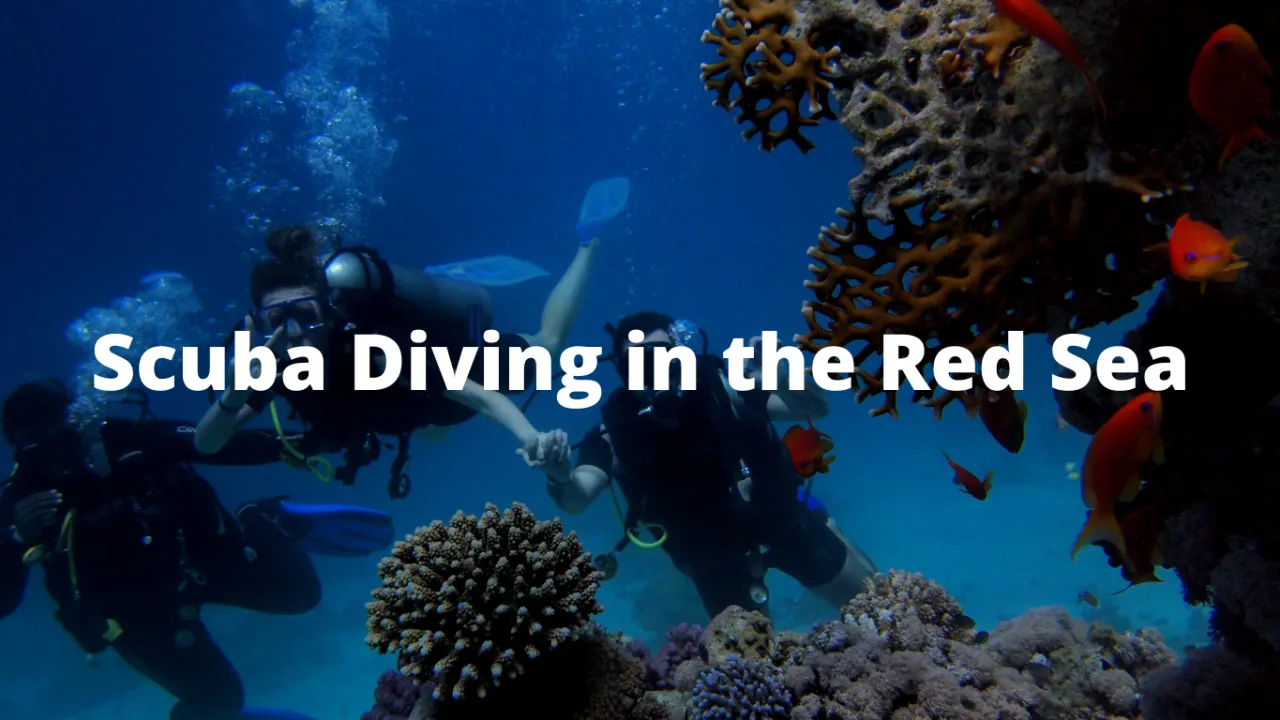
Explore the crystal-clear waters and rich marine life of the Red Sea, a top diving destination. This article delves deep into why the Red Sea is considered a diver's paradise, covering its unique ecosystems, best dive sites, essential gear, and practical tips for an unforgettable underwater adventure.
Scuba Diving in the Red Sea A Divers Paradise
Why the Red Sea is a Premier Diving Destination
The Red Sea, nestled between Africa and Asia, is renowned globally as one of the planet's most spectacular diving destinations. Its unique geological formation, being a relatively young ocean basin, has led to an incredible biodiversity found nowhere else. The warm, clear waters, coupled with an abundance of vibrant coral reefs and diverse marine life, make it an irresistible magnet for divers of all experience levels. From kaleidoscopic coral gardens to dramatic drop-offs and historic shipwrecks, the Red Sea offers an unparalleled underwater tapestry.
What truly sets the Red Sea apart is its exceptional visibility, often exceeding 30 meters (100 feet), and consistently warm water temperatures, typically ranging from 22°C (72°F) in winter to 28°C (82°F) in summer. These ideal conditions allow for comfortable and extended dives, providing ample opportunity to soak in the breathtaking scenery. Furthermore, the Red Sea is a hotspot for pelagic encounters, with regular sightings of sharks, dolphins, and even dugongs, adding an extra layer of excitement to every dive.
Top Red Sea Dive Sites for Every Diver
The Red Sea boasts an impressive array of dive sites, each with its own unique charm and appeal. Whether you're a beginner looking for gentle reefs or an experienced diver seeking thrilling wreck dives, the Red Sea has something for everyone.
Sharm El Sheikh and the Straits of Tiran
Sharm El Sheikh, located on the southern tip of the Sinai Peninsula, is arguably the most famous diving hub in the Red Sea. Its proximity to the world-renowned Ras Mohammed National Park and the Straits of Tiran makes it a prime location for accessing some of the best dive sites. The Straits of Tiran, a narrow waterway separating the Sinai Peninsula from Saudi Arabia, is famous for its four coral reefs: Jackson, Gordon, Thomas, and Woodhouse. These reefs are characterized by strong currents, which bring in nutrient-rich waters, supporting an incredible array of marine life, including large pelagics like hammerhead sharks and barracudas. Jackson Reef is particularly famous for its resident reef sharks and the wreck of the Lara.
Hurghada and the Northern Red Sea Wrecks
Hurghada, on the western coast of the Red Sea, is another popular entry point for divers. It offers a mix of vibrant coral reefs and some of the most iconic wrecks in the world. The SS Thistlegorm, a British armed merchant navy ship sunk in 1941, is perhaps the most famous. This wreck is a time capsule, with its cargo of motorcycles, trucks, and railway carriages still largely intact. Diving the Thistlegorm is an unforgettable experience, offering a glimpse into wartime history amidst a thriving marine ecosystem. Other notable wrecks in the northern Red Sea include the Abu Nuhas wrecks, often referred to as the 'ship graveyard,' which includes the Giannis D, Carnatic, and Chrisoula K.
Marsa Alam and the Southern Red Sea
For those seeking a more remote and pristine diving experience, Marsa Alam in the southern Red Sea is an excellent choice. This region is known for its untouched reefs, abundant dugongs, and frequent encounters with oceanic whitetip sharks at Elphinstone Reef. Daedalus Reef, St. John's Reef, and Fury Shoals are also highlights, offering spectacular coral formations and diverse fish populations. Liveaboard trips are particularly popular in the southern Red Sea, allowing divers to explore these more distant and less crowded sites.
Essential Scuba Diving Gear for Red Sea Adventures
While most dive centers in the Red Sea offer rental equipment, having your own gear, especially key items, can significantly enhance your diving experience. Comfort, fit, and familiarity with your equipment are paramount for safe and enjoyable dives.
Mask and Snorkel
A good quality mask that fits your face perfectly is crucial for clear vision underwater. Look for a mask with a wide field of view and a comfortable silicone skirt. For example, the Aqua Lung Look 2 Mask (around $80-$100) is a popular choice known for its comfort and wide vision, suitable for various face shapes. The Cressi Big Eyes Evolution Mask (around $70-$90) also offers excellent peripheral vision. For snorkels, a simple, comfortable one with a purge valve like the Mares Ergo Flex Snorkel (around $25-$35) is usually sufficient for surface swimming and pre-dive checks.
Fins
Fins provide propulsion and maneuverability. Open-heel fins worn with dive boots are versatile and suitable for various conditions. The Mares Avanti Quattro Plus Fins (around $150-$180) are highly regarded for their power and efficiency, making them great for current-rich areas like the Red Sea. For a more compact and travel-friendly option, the Scubapro Go Travel Fins (around $80-$100) are excellent, especially if you prefer full-foot fins for warmer waters.
Wetsuit
Given the warm waters of the Red Sea, a 3mm or 5mm full wetsuit is generally sufficient for thermal protection and protection against minor abrasions or stings. A 3mm suit like the Henderson Thermoprene Pro 3mm Wetsuit (around $200-$250) offers good flexibility and warmth. If you tend to get cold easily or plan to do multiple dives a day, a 5mm suit such as the Bare Sport S-Flex 5mm Wetsuit (around $250-$300) might be more comfortable. Always try on wetsuits to ensure a snug but not restrictive fit.
Dive Computer
A dive computer is an essential safety device that tracks depth, bottom time, and calculates no-decompression limits. It's a non-negotiable piece of gear. The Suunto Zoop Novo (around $300-$350) is an excellent entry-level computer, user-friendly and reliable. For more advanced features like air integration and digital compass, consider the Garmin Descent Mk2i (around $1300-$1500), which also doubles as a smartwatch, or the Shearwater Perdix AI (around $1000-$1200), known for its clear display and robust algorithms, ideal for technical divers but also great for recreational use.
BCD Buoyancy Control Device
Your BCD allows you to control your buoyancy underwater. Jacket-style BCDs are common for recreational diving, while back-inflate BCDs offer more freedom of movement. The Aqua Lung Pro HD BCD (around $450-$550) is a popular and durable jacket-style BCD with integrated weights. For a more streamlined back-inflate option, the Scubapro Hydros Pro BCD (around $800-$950) is highly customizable and travel-friendly, though at a higher price point. When choosing a BCD, consider the lift capacity, pocket space, and overall fit.
Regulator
Your regulator delivers air from your tank to you. Reliability and ease of breathing are key. The Aqua Lung Titan Regulator (around $400-$500) is a solid mid-range option known for its durability and smooth breathing. For top-tier performance, the Scubapro MK25 EVO/S600 Regulator (around $700-$850) is a favorite among many divers, offering excellent cold water performance and consistent air delivery, even though the Red Sea is warm, this ensures reliability. Always ensure your regulator is serviced regularly.
Practical Tips for Diving in the Red Sea
To make the most of your Red Sea diving adventure, consider these practical tips:
Choose Your Season Wisely
The Red Sea is a year-round diving destination, but certain seasons offer different advantages. Summer (June to September) brings the warmest water temperatures and calmest seas, ideal for comfortable diving. However, it can be very hot topside. Winter (December to February) offers cooler air temperatures, but the water can be slightly cooler, and winds might pick up. Spring (March to May) and Autumn (October to November) are often considered the best times, offering a balance of pleasant weather and good marine life activity.
Consider a Liveaboard Trip
While shore-based diving is popular, a liveaboard trip is highly recommended, especially for exploring the more remote and pristine dive sites in the southern Red Sea. Liveaboards offer unparalleled access to multiple dive sites, often allowing for 3-4 dives per day, including night dives. They also provide a unique social experience with fellow divers. Research different liveaboard operators and itineraries to find one that suits your preferences and budget.
Respect the Marine Environment
The Red Sea's coral reefs are incredibly fragile and vital ecosystems. Practice responsible diving by maintaining excellent buoyancy control to avoid touching corals or disturbing marine life. Do not collect souvenirs, feed fish, or use reef hooks. Always follow the guidance of your dive guide and adhere to local regulations to help preserve this precious underwater paradise for future generations.
Stay Hydrated and Protect Yourself from the Sun
The Red Sea region can be very hot and sunny, especially during summer months. Drink plenty of water to stay hydrated, even when you don't feel thirsty. Use reef-safe sunscreen, wear a hat, and seek shade during surface intervals to prevent sunburn and heatstroke.
Check Visa and Entry Requirements
Before traveling, ensure you check the latest visa and entry requirements for Egypt or the specific country you are visiting. Requirements can change, so it's always best to consult official government websites or your embassy.
Marine Life Encounters in the Red Sea
The Red Sea is a biodiversity hotspot, home to over 1,200 species of fish, 20% of which are endemic, meaning they are found nowhere else in the world. The vibrant coral reefs provide shelter and food for an astonishing array of creatures.
Reef Fish and Invertebrates
Expect to see a dazzling display of reef fish, including angelfish, butterflyfish, clownfish, parrotfish, and groupers. Moray eels, lionfish, and stonefish are also common residents. Keep an eye out for fascinating invertebrates like nudibranchs, octopus, and various species of crabs and shrimp hiding among the corals.
Pelagic Species
The Red Sea is famous for its pelagic encounters. Oceanic whitetip sharks are frequently sighted at sites like Elphinstone Reef. Hammerhead sharks can be seen in schools, particularly in the summer months at offshore reefs like Daedalus and Brothers Islands. Manta rays, eagle rays, and various species of reef sharks are also common. If you're lucky, you might even spot a dugong, especially in the seagrass beds around Marsa Alam.
Dolphins and Turtles
Spinner dolphins and bottlenose dolphins are often encountered, sometimes even joining divers for a playful swim. Green turtles and hawksbill turtles are also regular sights, gracefully gliding through the water or resting on the reef.
Photography and Videography Opportunities
With its exceptional clarity and abundant marine life, the Red Sea is a dream destination for underwater photographers and videographers. The vibrant colors of the corals and fish provide endless opportunities for stunning shots.
Consider bringing a good quality underwater camera setup. For beginners, a compact camera with an external strobe or video light can significantly improve image quality. The Olympus TG-6 (around $450-$500) with its dedicated underwater housing (around $300-$400) is a popular choice for its robust build and excellent macro capabilities. For more advanced users, a mirrorless camera like the Sony Alpha a6600 (around $1400-$1600 for body) paired with an appropriate underwater housing (around $1000-$1500) and external strobes (e.g., Inon Z-330, around $700-$800 each) will yield professional-grade results.
Remember to practice good buoyancy control to avoid stirring up sediment and to get closer to your subjects without disturbing them. Pay attention to lighting, composition, and white balance to capture the true beauty of the Red Sea's underwater world.
Safety and Health Considerations
While diving in the Red Sea is generally safe, it's important to be aware of potential risks and take necessary precautions.
Dive Insurance
Always have comprehensive dive insurance that covers medical emergencies, evacuation, and hyperbaric chamber treatment. Organizations like DAN (Divers Alert Network) offer specialized dive insurance policies. This is a non-negotiable safety net.
Medical Fitness to Dive
Ensure you are medically fit to dive. If you have any pre-existing medical conditions, consult with a doctor specializing in dive medicine before your trip. Avoid diving if you are feeling unwell or congested.
Buddy System and Dive Planning
Always dive with a buddy and stick to your dive plan. Communicate clearly underwater using hand signals. Plan your dives within your certification limits and always monitor your air supply and no-decompression limits.
Respect Marine Life
While most marine life in the Red Sea is harmless, some creatures can sting or bite if provoked. Avoid touching or harassing any marine animals. Be aware of venomous species like stonefish and lionfish, and maintain a respectful distance.
Decompression Sickness Awareness
Understand the risks of decompression sickness (DCS) and how to prevent it. Always make safety stops, ascend slowly, and avoid flying or going to high altitudes immediately after diving. Stay hydrated throughout your trip.
Conclusion
The Red Sea truly lives up to its reputation as a diver's paradise. Its crystal-clear waters, vibrant coral reefs, abundant marine life, and fascinating wrecks offer an unparalleled diving experience. Whether you're a seasoned pro or just starting your underwater journey, the Red Sea promises unforgettable adventures and breathtaking encounters. By choosing the right gear, planning your trip wisely, and diving responsibly, you're set for an incredible exploration of one of the world's most magnificent underwater realms.
:max_bytes(150000):strip_icc()/277019-baked-pork-chops-with-cream-of-mushroom-soup-DDMFS-beauty-4x3-BG-7505-5762b731cf30447d9cbbbbbf387beafa.jpg)