Explore various career paths in the scuba diving industry, from instructors to marine biologists.
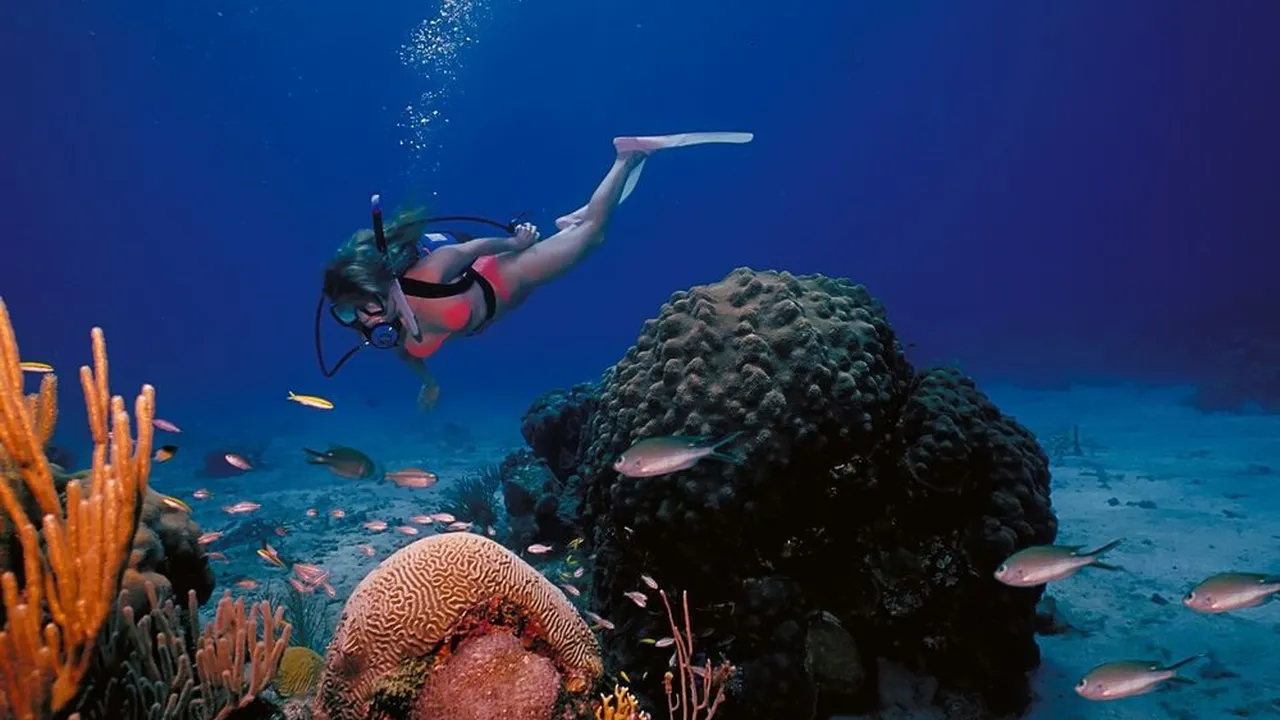
Explore various career paths in the scuba diving industry, from instructors to marine biologists. Ever dreamt of turning your passion for the underwater world into a full-time gig? You're in luck! The scuba diving industry offers a surprising array of career opportunities, far beyond just being a dive instructor. Whether you're looking for adventure, a way to contribute to marine conservation, or simply a change of pace, there's likely a role that fits your skills and aspirations. Let's dive deep into some of the most popular and rewarding career paths in scuba diving.
Becoming a Scuba Diving Instructor Your Path to Teaching Underwater
So, you love diving and you love sharing that passion with others? Becoming a scuba diving instructor might be your calling. This is arguably the most common and well-known career in the industry. As an instructor, you'll be responsible for teaching new divers the ropes, from basic open water skills to advanced specialties. It's incredibly rewarding to see someone's face light up when they take their first breath underwater or master a new skill.
PADI SSI and Other Instructor Certifications
To become an instructor, you'll need to go through a rigorous training program. The two largest and most recognized certification agencies are PADI (Professional Association of Diving Instructors) and SSI (Scuba Schools International). Both offer comprehensive instructor development courses (IDCs) that prepare you for the instructor examination. While the core curriculum is similar, there are some differences in their teaching philosophies and business models. PADI is often seen as more structured and globally recognized, while SSI offers a more flexible, digital-first approach. Other agencies like NAUI, SDI, and BSAC also offer instructor certifications, each with their own strengths. It's worth researching which agency aligns best with your personal values and career goals.
Instructor Job Opportunities and Work Environments
Once certified, the world is your oyster! Instructors can work in various settings: dive resorts in tropical locations, local dive shops, liveaboards, or even as freelance instructors. Many instructors start by working at a dive center, gaining experience and building their network. The pay can vary widely depending on location, experience, and the type of work. While it might not make you rich, the lifestyle and experiences often make up for it. You'll meet people from all walks of life, explore incredible dive sites, and constantly be surrounded by the ocean.
Marine Biologist and Conservationist Protecting Our Oceans
If your love for diving is intertwined with a deep passion for marine life and conservation, a career as a marine biologist or conservationist could be perfect. These roles often involve extensive diving for research, data collection, and hands-on conservation efforts. It's a challenging but incredibly impactful field.
Educational Requirements for Marine Biology Careers
Becoming a marine biologist typically requires a strong academic background. A bachelor's degree in marine biology, oceanography, zoology, or a related field is usually the minimum, with many positions requiring a master's or even a Ph.D. Your studies will cover topics like marine ecology, genetics, physiology, and conservation science. Practical experience through internships and volunteer work is also crucial.
Conservation Diving and Research Roles
Marine biologists often work for universities, government agencies, non-profit organizations, or private research institutions. Their work can involve studying coral reef health, tracking marine animal populations, developing conservation strategies, or even working on rehabilitation projects for injured marine life. Many roles involve significant time in the field, conducting underwater surveys, deploying sensors, or collecting samples. For example, you might be involved in coral restoration projects, where you'd be diving to plant new corals, or conducting fish surveys to monitor biodiversity.
Underwater Photographer and Videographer Capturing the Beauty Below
Do you have an artistic eye and a knack for storytelling? The world of underwater photography and videography offers a thrilling career path. From capturing stunning images for magazines and documentaries to creating promotional content for dive resorts, the demand for high-quality underwater visuals is always there.
Essential Gear for Professional Underwater Imaging
This career requires a significant investment in specialized equipment. You'll need a high-quality camera (DSLR or mirrorless), a robust underwater housing, strobes or video lights, and various lenses. Here are a few popular options and their typical uses:
* **Camera Body:** For professionals, full-frame mirrorless cameras like the **Sony Alpha a7S III** or **Canon EOS R5** are popular choices due to their excellent low-light performance and video capabilities. Expect to pay **$2,500 - $4,000** for the body alone.
* **Underwater Housing:** Brands like **Nauticam**, **Ikelite**, and **Aquatica** are industry leaders. A custom housing for a high-end camera can range from **$2,000 - $5,000+**. These are crucial for protecting your camera from the immense pressure and saltwater.
* **Strobes/Video Lights:** For still photography, **Inon Z-330** or **Sea&Sea YS-D3 DUO** strobes are highly regarded for their power and consistent light output. They typically cost **$700 - $1,000 each**, and you'll usually need two. For videography, powerful continuous lights like the **Keldan Luna 8 LA-V** or **Light & Motion Sola Video 3000** are essential, ranging from **$500 - $1,500+**.
* **Lenses:** You'll need a variety: a wide-angle rectilinear lens (e.g., **Nikon 8-15mm fisheye** or **Canon 16-35mm** with a dome port) for reefscapes and large animals, and a macro lens (e.g., **Nikon 60mm** or **Canon 100mm**) for tiny critters. Lenses can range from **$500 - $2,000+**.
**Comparison:** While a GoPro (e.g., **GoPro Hero 12 Black**, around **$400**) is great for casual use, professional work demands higher resolution, better low-light performance, and manual controls that only dedicated camera systems can provide. The investment is substantial, but so is the potential for stunning results.
Job Roles and Creative Opportunities
Underwater photographers and videographers can work as freelancers, for dive resorts, tourism boards, scientific expeditions, or even for film and television productions. You might be documenting marine life, creating promotional videos for a dive operation, or contributing to conservation awareness campaigns. It's a highly creative field that combines technical skill with artistic vision.
Dive Shop Manager or Owner Running the Business
If you have a business mind and a love for diving, managing or owning a dive shop could be your ideal career. This role involves everything from retail sales and equipment maintenance to scheduling dives and managing staff. It's a demanding but rewarding position that keeps you deeply involved in the diving community.
Skills Required for Dive Shop Management
Beyond diving certifications, you'll need strong business acumen. This includes skills in retail management, inventory control, marketing, customer service, and human resources. Experience in sales and a good understanding of dive equipment are also crucial. Many dive shop managers start as instructors or divemasters and gradually take on more administrative responsibilities.
Challenges and Rewards of Dive Shop Ownership
Owning a dive shop is a significant undertaking. It requires substantial capital investment, long hours, and a deep understanding of the local market. However, it offers the ultimate freedom to shape your own business, build a community, and share your passion for diving with countless others. You'll be at the heart of the local diving scene, organizing trips, hosting events, and fostering a love for the ocean.
Commercial Diver Working in Industrial Underwater Environments
This is a very different side of the diving industry, often involving heavy-duty work in challenging environments. Commercial divers perform tasks like underwater construction, inspection, repair, and salvage for industries such as oil and gas, shipping, and civil engineering. It's physically demanding and requires specialized training.
Training and Certifications for Commercial Diving
Unlike recreational diving, commercial diving requires specific, often government-regulated, certifications. Training programs are intensive and focus on safety, specialized equipment (like surface-supplied air and saturation diving systems), welding, cutting, and non-destructive testing. Schools like the Divers Institute of Technology or CDA Technical Institute offer comprehensive programs. The cost of training can be significant, often ranging from **$15,000 - $30,000+**.
Job Prospects and Work Conditions
Commercial divers can work offshore on oil rigs, in harbors, on dams, or even in nuclear power plants. The work is often dangerous and involves long periods away from home. However, the pay is generally much higher than in recreational diving, reflecting the risks and specialized skills involved. It's a career for those who thrive in challenging environments and are highly disciplined.
Dive Travel Agent or Tour Operator Crafting Underwater Adventures
If you love planning trips and have extensive knowledge of dive destinations, becoming a dive travel agent or tour operator could be a fantastic career. You'll be responsible for designing and booking dive trips, liveaboard charters, and custom itineraries for individuals and groups.
Knowledge and Skills for Dive Travel Planning
This role requires excellent organizational skills, attention to detail, and a comprehensive understanding of global dive destinations, including their seasons, marine life, logistics, and local regulations. Strong communication and customer service skills are also essential. Many dive travel agents have a background as dive instructors or divemasters, giving them firsthand experience of the destinations they sell.
Building a Niche in Dive Tourism
You can work for an established dive travel agency or start your own. Specializing in a niche, such as luxury dive trips, conservation-focused tours, or specific regions like Southeast Asia or the Caribbean, can help you stand out. You'll be connecting divers with their dream underwater experiences, handling everything from flights and accommodations to dive packages and local excursions.
Other Emerging Scuba Diving Careers
Beyond these main categories, the scuba diving industry is constantly evolving, creating new opportunities:
* **Underwater Archaeologist:** Exploring shipwrecks and ancient submerged sites.
* **Aquarium Diver:** Maintaining exhibits, feeding animals, and performing shows in public aquariums.
* **Scuba Equipment Designer/Engineer:** Developing new and improved dive gear.
* **Hyperbaric Chamber Operator:** Assisting in the treatment of diving-related illnesses.
* **Dive Medicine Specialist:** Doctors specializing in diving physiology and related medical conditions.
The world of scuba diving offers a diverse range of career paths, each with its unique challenges and rewards. Whether you're drawn to teaching, conservation, creativity, business, or industrial work, there's a way to turn your passion for the ocean into a fulfilling profession. It's a community-driven industry where your love for the underwater world can truly make a difference.

:max_bytes(150000):strip_icc()/277019-baked-pork-chops-with-cream-of-mushroom-soup-DDMFS-beauty-4x3-BG-7505-5762b731cf30447d9cbbbbbf387beafa.jpg)