Scuba Diving First Aid Kit Essentials for Divers
List of vital items for a dive-specific first aid kit to handle common injuries and emergencies.
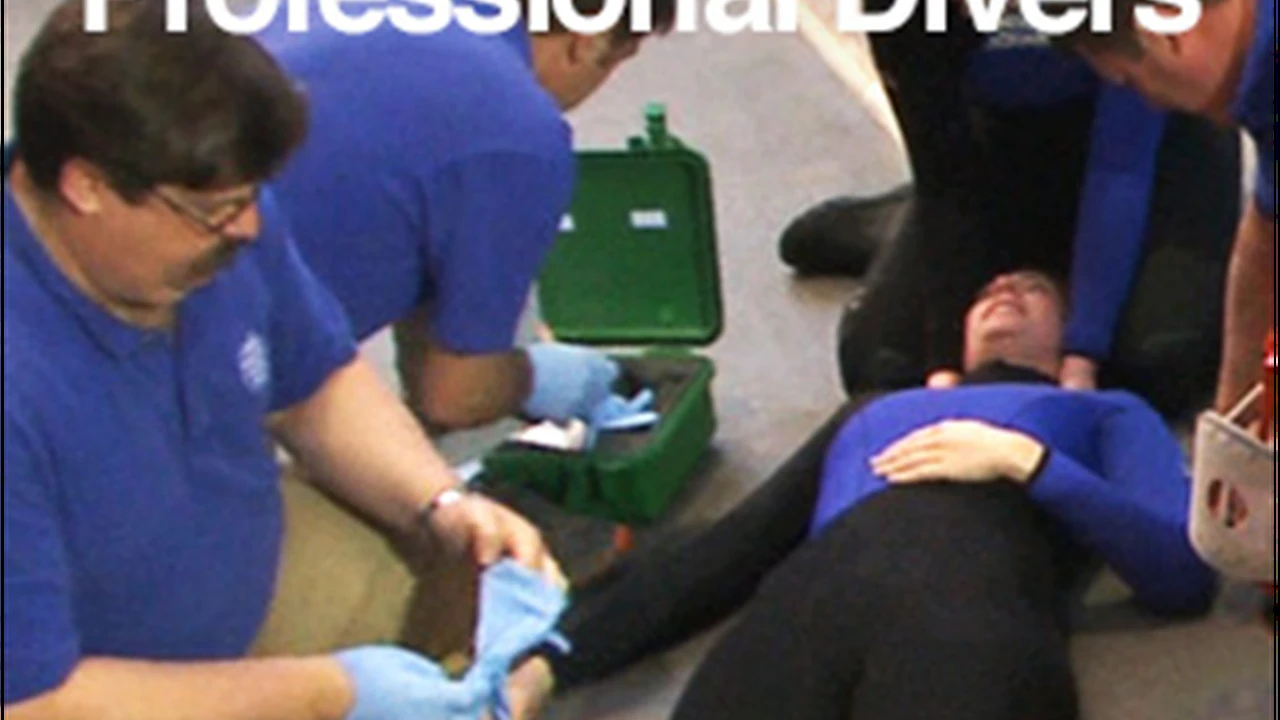
List of vital items for a dive-specific first aid kit to handle common injuries and emergencies.
Scuba Diving First Aid Kit Essentials for Divers
Hey fellow divers! We all love the thrill of exploring the underwater world, but let's be real: accidents can happen. Whether it's a minor cut from a coral, a jellyfish sting, or something more serious, being prepared is key. That's why a well-stocked scuba diving first aid kit isn't just a good idea; it's an absolute necessity. Think of it as your underwater safety net. This isn't just about having a few band-aids; it's about having the right tools and medications to handle common dive-related mishaps, both on the boat and at the dive site. Let's dive into what you absolutely need in your kit, why you need it, and even some specific product recommendations to get you started.
Why Every Diver Needs a Comprehensive Dive First Aid Kit
You might think, 'Oh, the dive boat will have one,' and while that's often true, relying solely on others isn't the smartest move. What if you're shore diving? What if the boat's kit is poorly stocked or inaccessible? Your personal dive first aid kit gives you immediate access to critical supplies when every second counts. It's about taking personal responsibility for your safety and the safety of your dive buddies. From minor scrapes to more significant injuries like marine life envenomations or even barotrauma, having the right supplies can make a huge difference in managing the situation until professional medical help arrives. Plus, it gives you peace of mind, allowing you to focus on enjoying your dive rather than worrying about what-ifs.
Essential Categories for Your Scuba Diving First Aid Kit
When building your kit, think in categories. This helps ensure you cover all your bases and makes it easier to find what you need in a hurry. We're talking about wound care, pain relief, allergy management, marine life specific treatments, and general emergency supplies.
Wound Care and Antiseptics for Dive Injuries
Cuts, scrapes, and abrasions are incredibly common in diving, especially around coral or rocky areas. You need to be able to clean and cover these wounds to prevent infection.
- Antiseptic Wipes or Solution: For cleaning wounds.
- Sterile Gauze Pads and Adhesive Bandages: Various sizes for covering wounds.
- Medical Tape: To secure dressings.
- Butterfly Closures or Steri-Strips: For closing small cuts.
- Antibiotic Ointment: To prevent infection.
- Saline Solution: For rinsing wounds or eyes.
Product Recommendations for Wound Care
For antiseptic wipes, consider Dynarex BZK Antiseptic Towelettes. They are individually wrapped, easy to carry, and effective. A pack of 100 usually costs around $10-$15. For bandages, a variety pack like the Band-Aid Brand Adhesive Bandages Variety Pack is always useful, typically $5-$10. For antibiotic ointment, Neosporin Original Ointment is a classic and widely available, costing about $5-$8. For saline, a small bottle of Wound Wash Saline Spray is convenient and sterile, usually $7-$12.
Pain Relief and Anti-Inflammatories for Dive Aches
Whether it's a headache from sun exposure, muscle soreness from carrying gear, or minor pain from an injury, pain relief is crucial.
- Ibuprofen or Acetaminophen: For general pain and fever.
- Antihistamine (non-drowsy): For allergic reactions or insect bites.
- Motion Sickness Medication: If you're prone to seasickness.
Product Recommendations for Pain Relief
For ibuprofen, a travel-sized bottle of Advil Tablets is perfect, costing around $4-$7. For antihistamines, Claritin 24 Hour Non-Drowsy Allergy Tablets are great for daytime use, typically $10-$15 for a small pack. If seasickness is a concern, Dramamine Less Drowsy Formula is a popular choice, usually $5-$10.
Marine Life Specific Treatments for Underwater Encounters
This is where a dive-specific kit really shines. Encounters with jellyfish, fire coral, or even sea urchins can be painful and require specific immediate care.
- Vinegar or Isopropyl Alcohol: For jellyfish stings (vinegar for box jellyfish, alcohol for others).
- Hot Water Bottle or Heat Pack: For marine stings (heat denatures toxins).
- Tweezers: For removing splinters or sea urchin spines.
- Hydrocortisone Cream: For itching and inflammation from stings or rashes.
- After Bite or Sting Relief: For insect bites or minor stings.
Product Recommendations for Marine Life Treatments
A small bottle of white vinegar is cheap and effective, costing less than $5. For a portable heat source, consider a reusable HotHands Hand Warmer (about $1-$2 each) or a small, sealable bottle that can be filled with hot water. For tweezers, a good quality pair like Tweezerman Slant Tweezer (around $15-$20) is worth the investment for precision. Cortizone 10 Maximum Strength Hydrocortisone Cream is excellent for itching, typically $7-$10. For general sting relief, After Bite Itch Eraser is a classic, costing about $4-$6.
Emergency and General Supplies for Dive Situations
Beyond direct injury care, there are general items that can be invaluable in an emergency or simply for convenience.
- CPR Mask: Essential for rescue breathing.
- Emergency Blanket: For treating shock or hypothermia.
- Small Scissors: For cutting tape, gauze, or clothing.
- Gloves (non-latex): For personal protection when treating others.
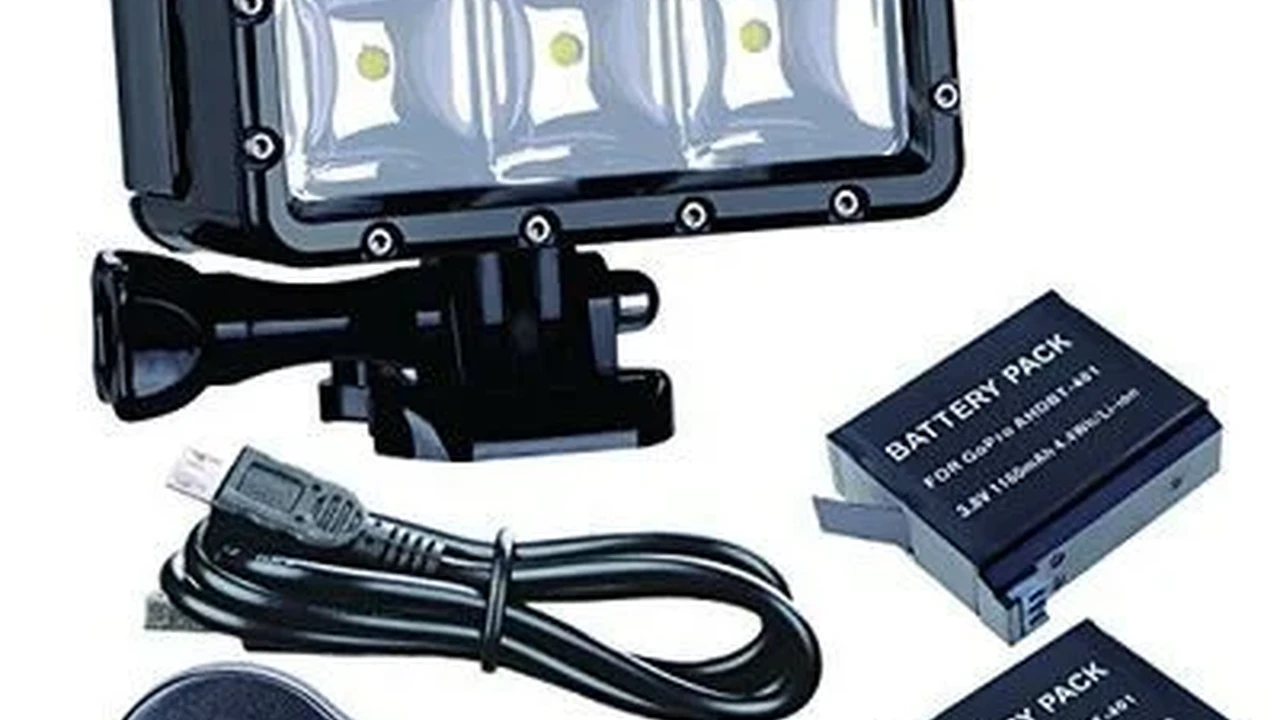
- Flashlight or Headlamp: For night dives or low-light situations.
- Whistle: For signaling on the surface.
- Sunscreen and Lip Balm with SPF: Essential for sun protection.
- Hand Sanitizer: For hygiene when water isn't available.
- Small Notebook and Pen: For jotting down details of an incident.
- Emergency Contact Information: Laminated and easily accessible.
Product Recommendations for Emergency Supplies
A compact CPR Pocket Mask with One-Way Valve is a must-have, usually $10-$20. An emergency thermal blanket like the SOL Emergency Blanket is lightweight and effective, costing about $5-$10. For scissors, a pair of small, blunt-tipped Trauma Shears are ideal for safety, around $5-$10. A box of Nitrile Exam Gloves (100 count) is a good investment, typically $10-$15. For a flashlight, a small, waterproof LED light like the Streamlight MicroStream USB Rechargeable Flashlight is versatile, around $20-$30. For sunscreen, choose a reef-safe option like Blue Lizard Australian Sunscreen SPF 50+ Mineral, usually $15-$20.
Choosing the Right First Aid Kit Container for Diving
The container itself is almost as important as what's inside. It needs to be durable, waterproof, and easy to access.
Waterproof Bags vs Hard Cases for Dive First Aid
You have a couple of main options here, each with pros and cons.
Soft Waterproof Bags
These are typically made from durable, waterproof fabrics with roll-top closures. They are lightweight, flexible, and can be easily stowed in a dive bag. They offer good protection against splashes and rain, but might not withstand full submersion or crushing.
- Pros: Lightweight, flexible, easy to pack, generally less expensive.
- Cons: Less crush-proof, may not be fully submersible for extended periods.
- Use Case: Ideal for day trips on a boat, shore diving where the kit stays on dry land, or as an inner layer in a larger, more protective bag.
Product Recommendation: The Sea to Summit Lightweight Dry Sack (5-8 liter size) is a great option. It's made from durable nylon, has a roll-top closure, and is highly water-resistant. Prices range from $15-$25 depending on size.
Hard Waterproof Cases
These are robust, often made from impact-resistant plastic, with O-ring seals and secure latches. They offer superior protection against water, dust, and crushing. They can be a bit bulkier and heavier but provide maximum peace of mind.
- Pros: Extremely durable, fully submersible, crush-proof, dust-proof.
- Cons: Heavier, bulkier, can be more expensive.
- Use Case: Perfect for liveaboards, remote dive sites, or if you need to ensure your kit is absolutely protected from the elements and impacts.
Product Recommendation: A Pelican 1150 Case is an excellent choice. It's legendary for its durability and waterproof seal. It comes in various colors and can be customized with foam inserts. Expect to pay around $40-$60 for this size. Another good option is the Plano Guide Series Waterproof Case, which is a bit more budget-friendly at $20-$30 and still offers good protection.
Organization within Your Dive First Aid Kit
Once you have your container, how you organize the contents is crucial. You don't want to be fumbling for a bandage when someone needs it quickly. Use small, clear, resealable bags (like Ziploc bags) to group similar items. Label them clearly. For example, one bag for 'Wound Care,' another for 'Medications,' and so on. This modular approach makes it easy to grab exactly what you need without emptying the entire kit.
Maintaining and Customizing Your Scuba Diving First Aid Kit
A first aid kit isn't a 'set it and forget it' item. It needs regular attention to ensure everything is ready when you need it.
Regular Checks and Replenishment for Dive Safety
Make it a habit to check your kit at least every six months, or before any major dive trip. Look for:
- Expired Medications: Discard and replace anything past its expiration date.
- Damaged Packaging: Replace items with torn or compromised packaging.
- Used Items: Replenish anything you've used, even if it was just one bandage.
- Battery Life: Check batteries in flashlights or headlamps.
- Cleanliness: Ensure the kit and its contents are clean and dry.
Customizing Your Kit for Specific Dive Trips and Conditions
While the core essentials remain, you might want to tweak your kit based on your destination or the type of diving you'll be doing.
- Remote Locations: Add more comprehensive pain relief, anti-diarrhea medication, and possibly a broad-spectrum antibiotic (if prescribed by a doctor). Consider a small suture kit if you have the training to use it.
- Cold Water Diving: Include more robust heat packs, extra layers, and perhaps specific remedies for ear or sinus issues common in cold water.
- Tropical Diving: Emphasize marine sting treatments, stronger insect repellent, and rehydration salts.
- Personal Needs: Always include any personal prescription medications you or your dive buddies might need (e.g., asthma inhalers, EpiPens for severe allergies).
Remember, your first aid kit is a dynamic tool. It should evolve with your diving experience and the environments you explore. Being prepared isn't about being paranoid; it's about being responsible and ensuring that your underwater adventures are as safe and enjoyable as possible. So, take the time to assemble and maintain your kit. Your dive buddies, and your future self, will thank you for it!
:max_bytes(150000):strip_icc()/277019-baked-pork-chops-with-cream-of-mushroom-soup-DDMFS-beauty-4x3-BG-7505-5762b731cf30447d9cbbbbbf387beafa.jpg)