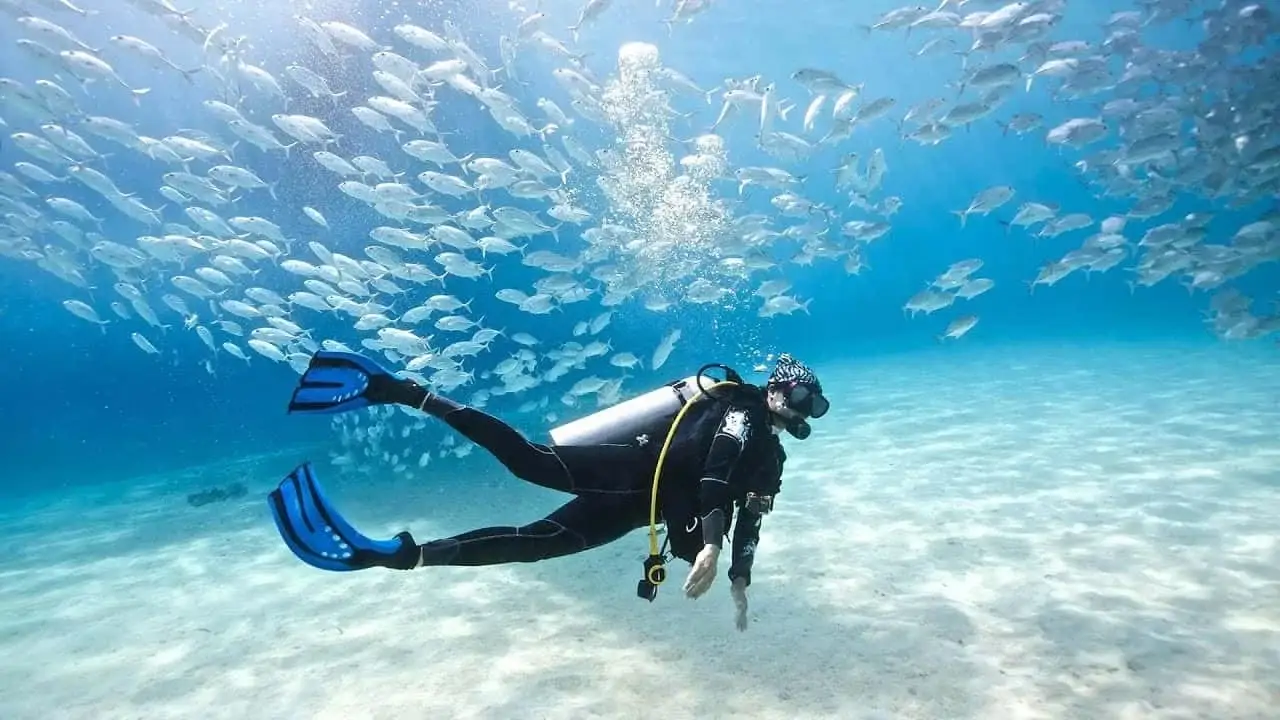
Best Scuba Diving Gloves for Protection and Warmth
Review of durable and comfortable dive gloves offering protection from cold and marine life.

Review of durable and comfortable dive gloves offering protection from cold and marine life.
Best Scuba Diving Gloves for Protection and Warmth
Why Scuba Diving Gloves Are Essential for Every Diver
Alright, let's talk about scuba diving gloves. You might think, 'Do I really need gloves? My hands are tough!' But trust me, whether you're exploring vibrant coral reefs, navigating a chilly wreck, or just trying to avoid an accidental brush with something prickly, a good pair of dive gloves can make a world of difference. They're not just about keeping your hands warm, though that's a huge part of it. They offer crucial protection from cuts, scrapes, stings, and even sunburn. Plus, they can improve your grip on equipment or when steadying yourself in currents. So, before you jump into your next underwater adventure, let's dive deep into why dive gloves are a non-negotiable part of your gear.
Understanding Dive Glove Materials Neoprene vs Amara vs Kevlar
When you're picking out dive gloves, you'll quickly notice they come in a few main materials, each with its own superpowers. Knowing the difference will help you choose the best fit for your diving style and environment.
Neoprene Dive Gloves for Thermal Protection
Neoprene is probably the most common material you'll find in dive gloves, and for good reason. It's the same stuff your wetsuit is made of, and it excels at insulation. Neoprene gloves come in various thicknesses, usually measured in millimeters (mm), like 2mm, 3mm, 5mm, or even 7mm. The thicker the neoprene, the warmer the glove. This makes them ideal for colder water diving or for divers who tend to get cold hands easily. They work by trapping a thin layer of water against your skin, which your body then warms up, providing insulation. They're also pretty flexible, allowing for good dexterity.
Amara Dive Gloves for Durability and Dexterity
Amara, often referred to as synthetic leather, is another popular choice, especially for warmer water or for divers who prioritize dexterity and protection over extreme warmth. Amara gloves are typically thinner than neoprene, offering excellent tactile feel, which is great for handling cameras, adjusting gear, or performing intricate tasks underwater. They're also quite durable and resistant to abrasion, making them a good choice for wreck diving or areas where you might encounter rough surfaces. You'll often find gloves that combine neoprene for warmth on the back of the hand with Amara on the palm and fingers for grip and durability.
Kevlar Reinforced Dive Gloves for Maximum Protection
If you're doing a lot of wreck diving, cave diving, or any activity where you're likely to be brushing against sharp objects or rough surfaces, Kevlar-reinforced gloves are your best friend. Kevlar is an incredibly strong synthetic fiber known for its cut and abrasion resistance. These gloves might not be as flexible or warm as pure neoprene, but they offer superior protection against punctures and tears. They're often used by professional divers, instructors, and those who need maximum hand safeguarding in challenging environments.
Key Features to Consider When Choosing Scuba Diving Gloves
Beyond the material, there are several other features that can significantly impact the performance and comfort of your dive gloves. Let's break them down.
Glove Thickness and Water Temperature Suitability
As mentioned, thickness is key for warmth. Here's a general guide:
- 1-2mm: Best for warm tropical waters (80°F / 27°C and above) where you primarily need protection from marine life or sun, not much warmth.
- 3mm: Good for temperate waters (65-80°F / 18-27°C). Offers a balance of warmth and dexterity.
- 5mm: Ideal for cooler waters (50-65°F / 10-18°C). Provides significant warmth while still allowing for reasonable hand movement.
- 7mm: For cold water diving (below 50°F / 10°C). Offers maximum thermal insulation, but dexterity will be reduced.
Fit and Dexterity for Optimal Performance
A good fit is crucial. Gloves that are too loose will let water flush in and out, reducing warmth, and can be cumbersome. Gloves that are too tight will restrict blood flow, making your hands colder and uncomfortable, and limiting dexterity. You want a snug fit that still allows for full range of motion in your fingers. Dexterity is especially important if you're handling cameras, operating dive computers, or performing fine motor tasks underwater.
Grip and Palm Reinforcement for Secure Handling
Look for gloves with reinforced palms and fingers, often with a textured or rubberized grip. This is essential for securely holding onto your dive light, camera, or even just the boat ladder. Good grip prevents accidental drops and gives you more control.
Cuff Design and Closure Systems
The cuff design affects how well water is sealed out and how easy the gloves are to put on and take off. Common closure systems include:
- Velcro Straps: Easy to adjust and secure.
- Zippers: Can make donning and doffing easier, especially for thicker gloves.
- Elastic Cuffs: Simple and effective for a snug fit, often found on thinner gloves.
- Long Cuffs: Designed to overlap with your wetsuit or drysuit sleeve to minimize water entry.
Durability and Stitching Quality
Dive gloves take a beating, so look for robust construction. Glued and blind-stitched seams are common for neoprene gloves, providing a strong, watertight seal. Reinforced stitching at stress points will also extend the life of your gloves.
Top Scuba Diving Glove Recommendations for Various Diving Scenarios
Now, let's get to some specific recommendations. Remember, the 'best' glove depends on your personal needs, the water temperature, and the type of diving you'll be doing.
Best All-Around Dive Gloves for Versatility
Aqua Lung Thermocline 3mm Gloves
Description: These are fantastic all-around gloves. The 3mm neoprene offers a great balance of warmth for temperate waters and good dexterity. They feature a textured grip on the palm and fingers for secure handling and a comfortable, snug fit. The glued and blind-stitched seams minimize water entry and enhance durability. They're easy to don and doff, making them a popular choice for recreational divers.
Use Case: Perfect for most recreational diving in temperate to slightly cool waters, general reef exploration, and handling basic dive gear.
Price Range: $35 - $50 USD
Comparison: Compared to thinner gloves, they offer more warmth. Compared to thicker gloves, they offer better dexterity. They strike a great balance for divers who don't specialize in extreme cold or highly technical diving.
Mares Flexa Fit 5mm Gloves
Description: If you need a bit more warmth without sacrificing too much flexibility, the Mares Flexa Fit 5mm gloves are an excellent choice. They use a super-stretch neoprene that conforms well to your hand, providing a comfortable and warm fit. The palm is reinforced with a durable, anti-slip material for excellent grip. The pre-formed finger design reduces hand fatigue.
Use Case: Ideal for cooler water diving, extended bottom times, or for divers who tend to get cold hands easily. Good for general recreational diving where warmth is a priority.
Price Range: $45 - $60 USD
Comparison: Warmer than the Aqua Lung Thermocline, but still offers good flexibility due to the super-stretch neoprene. A step up in warmth for those chillier dives.
Best Dive Gloves for Warm Water and Protection
Scubapro Hybrid 1mm Gloves
Description: When warmth isn't the primary concern but protection is, the Scubapro Hybrid 1mm gloves are a top contender. They combine a thin neoprene back for a bit of insulation with a durable Amara palm and fingers. This hybrid design offers excellent dexterity and tactile feel, making them perfect for photographers or anyone needing fine motor control. The Amara provides good abrasion resistance and grip.
Use Case: Tropical diving, snorkeling, underwater photography, or any situation where you need protection from minor scrapes, stings, or sun, but want maximum dexterity.
Price Range: $30 - $45 USD
Comparison: Much thinner and more dexterous than neoprene-only gloves. Offers superior tactile feel compared to thicker options, but provides minimal thermal protection.
Henderson Aqua Lock 3mm Gloves
Description: While 3mm, these gloves are designed with a focus on sealing out water, making them surprisingly warm for their thickness, but also great for warmer water where you want a snug fit. The Aqua Lock system features a unique liquid seam seal and a 'skin-in' gasket at the wrist to minimize water flushing. The exterior is a durable, abrasion-resistant material, and the palm has a good grip pattern.
Use Case: Warm to temperate water diving where you want a very secure fit and minimal water entry. Also good for light-duty wreck or reef exploration where some abrasion resistance is beneficial.
Price Range: $50 - $70 USD
Comparison: Offers a more advanced sealing system than standard 3mm gloves, leading to better warmth retention. A bit pricier, but the enhanced seal is a significant advantage.
Best Dive Gloves for Cold Water and Extreme Conditions
Bare 5mm K-Palm Gloves
Description: These gloves are built for serious protection and warmth. The 5mm neoprene provides excellent insulation, and the entire palm and fingers are reinforced with a durable K-Palm material (often a blend of Kevlar and other robust synthetics). This makes them incredibly resistant to cuts and abrasions, ideal for challenging environments. They often feature a long cuff to tuck into a wetsuit sleeve.
Use Case: Cold water diving, wreck diving, cave diving, or any scenario where maximum hand protection from sharp objects or rough surfaces is paramount.
Price Range: $60 - $80 USD
Comparison: Significantly more protective and warmer than 3mm or 1mm gloves. Dexterity is reduced compared to thinner gloves, but the trade-off is superior safety and warmth.
Waterproof G1 7mm 5-Finger Gloves
Description: When you're diving in truly frigid waters, the Waterproof G1 7mm gloves are a go-to. These are serious cold-water gloves, featuring 7mm of high-quality neoprene for maximum thermal insulation. They often have a pre-bent shape for comfort and a non-slip grip on the palm. The long cuff is designed to integrate seamlessly with drysuit seals or thick wetsuits to prevent water ingress.
Use Case: Extreme cold water diving, ice diving, or extended dives in very cold conditions where hand warmth is critical for safety and comfort.
Price Range: $70 - $100 USD
Comparison: Offers the highest level of warmth among the recommended gloves. Dexterity will be the most limited, but for extreme cold, warmth takes precedence. A premium option for dedicated cold-water divers.
Specialty Dive Gloves for Specific Needs
Akona Quantum Stretch 2mm Gloves
Description: These gloves are all about flexibility and comfort. Made from super-stretch neoprene, they offer an incredibly comfortable fit that feels like a second skin. The 2mm thickness provides light thermal protection and good dexterity. They often have a simple elastic cuff.
Use Case: Warm water diving where maximum flexibility and comfort are desired, or for divers who find thicker gloves too restrictive. Good for light protection and improved grip.
Price Range: $25 - $40 USD
Comparison: More flexible and comfortable than standard 2mm or 3mm gloves due to the quantum stretch material. Less durable than gloves with reinforced palms, but excellent for dexterity.
XS Scuba Dry Five Gloves
Description: These are specifically designed to be worn with drysuits. They are typically made from a thin, insulating material (like fleece or Thinsulate) and are worn inside a dry glove system. They provide the thermal layer, while the outer dry glove keeps your hands completely dry. They are not waterproof on their own.
Use Case: Drysuit diving in any temperature, as they are part of a complete dry glove system to keep hands completely dry and warm.
Price Range: $20 - $35 USD (for the inner glove only)
Comparison: Cannot be used alone for wet diving. Their purpose is solely as an insulating layer within a dry glove system, offering unparalleled warmth and dryness for drysuit divers.
Proper Care and Maintenance of Your Scuba Diving Gloves
Just like any other piece of dive gear, your gloves need a little love to last. Proper care ensures they stay functional, comfortable, and odor-free.
Rinsing and Cleaning Dive Gloves
After every dive, rinse your gloves thoroughly with fresh water. This removes salt, chlorine, and any other contaminants. Pay special attention to the seams and any Velcro closures. For a deeper clean, especially if they start to smell, you can wash them with a mild wetsuit shampoo or a solution of fresh water and a tiny bit of mild soap. Gently scrub them, then rinse thoroughly until all soap residue is gone.
Drying and Storing Dive Gloves
Always dry your gloves completely before storing them. Hang them in a shaded, well-ventilated area, away from direct sunlight, which can degrade neoprene over time. Avoid using a clothes dryer, as high heat can damage the materials. Once dry, store them flat or loosely rolled in a cool, dry place. Avoid folding them sharply, which can create permanent creases and weaken the material.
Inspecting Dive Gloves for Wear and Tear
Before and after each dive, give your gloves a quick inspection. Look for:
- Cuts or Tears: Even small nicks can compromise warmth and protection.
- Frayed Stitching: Weak seams can lead to leaks.
- Degraded Neoprene: Look for signs of thinning, cracking, or loss of elasticity.
- Worn Grip: If the palm grip is smooth, it might be time for new gloves.
Addressing minor issues early can prevent them from becoming bigger problems. Sometimes, small tears in neoprene can be repaired with wetsuit glue.
Common Questions About Scuba Diving Gloves Answered
Do I really need dive gloves for warm water diving
While you might not need them for warmth in tropical waters, gloves still offer crucial protection. They can prevent scrapes from coral, cuts from sharp rocks or wrecks, and stings from jellyfish or other marine life. They also protect your hands from sunburn, especially if you're spending a lot of time on the surface. Many divers opt for thin 1-2mm gloves or Amara gloves in warm water for this reason.
How do I choose the right size dive gloves
Sizing is critical for both warmth and dexterity. Most manufacturers provide a sizing chart based on hand circumference or length. Measure your hand and compare it to the chart. When trying them on, they should feel snug but not uncomfortably tight. You should be able to fully extend and flex your fingers without excessive resistance. Remember that neoprene will compress slightly underwater, so a snug fit on land is usually good.
Can I use regular gloves for scuba diving
No, absolutely not. Regular gloves, like gardening gloves or winter gloves, are not designed for the underwater environment. They won't provide adequate thermal insulation, will become waterlogged and heavy, and won't offer the necessary protection against marine hazards or abrasion. Always use gloves specifically designed for scuba diving.
How long do scuba diving gloves typically last
The lifespan of dive gloves varies greatly depending on usage, material, and care. With proper care, a good pair of neoprene gloves can last several years. Gloves used frequently in harsh environments (like wreck diving) or those made of thinner materials might need replacement more often. Regular inspection for wear and tear will help you determine when it's time for a new pair.
What's the difference between 3-finger and 5-finger dive gloves
Most dive gloves are 5-finger gloves, offering individual finger articulation. 3-finger gloves (sometimes called mitts or claw gloves) combine the index, middle, and ring fingers into one compartment, with the thumb and pinky finger separate. This design offers superior warmth because there's less surface area exposed to cold water and more neoprene around the fingers. However, they significantly reduce dexterity. They are typically used for very cold water diving where warmth is prioritized over fine motor skills.
So there you have it! Dive gloves might seem like a small detail, but they play a big role in your comfort, safety, and overall enjoyment underwater. Choose wisely, take good care of them, and your hands will thank you on every dive.
:max_bytes(150000):strip_icc()/277019-baked-pork-chops-with-cream-of-mushroom-soup-DDMFS-beauty-4x3-BG-7505-5762b731cf30447d9cbbbbbf387beafa.jpg)