Scuba Diving in Thailand A Comprehensive Review
Review of Thailand's popular dive spots like Similan Islands and Koh Tao, ideal for all skill levels.
Review of Thailand's popular dive spots like Similan Islands and Koh Tao, ideal for all skill levels.
Scuba Diving in Thailand A Comprehensive Review
Discovering Thailand's Underwater Wonders Best Dive Sites
Thailand, often dubbed the 'Land of Smiles,' extends its charm far beyond its bustling cities and serene temples, reaching deep into its vibrant turquoise waters. For scuba diving enthusiasts, Thailand offers an unparalleled experience, boasting an incredible diversity of marine life, stunning coral reefs, and a range of dive sites suitable for every skill level, from absolute beginners to seasoned pros. Whether you're looking to get certified, explore vibrant shallow reefs, or embark on thrilling deep dives, Thailand has a spot for you. Let's dive into a comprehensive review of what makes Thailand a premier scuba diving destination.
Similan Islands and Surin Islands National Parks Premier Diving Destinations
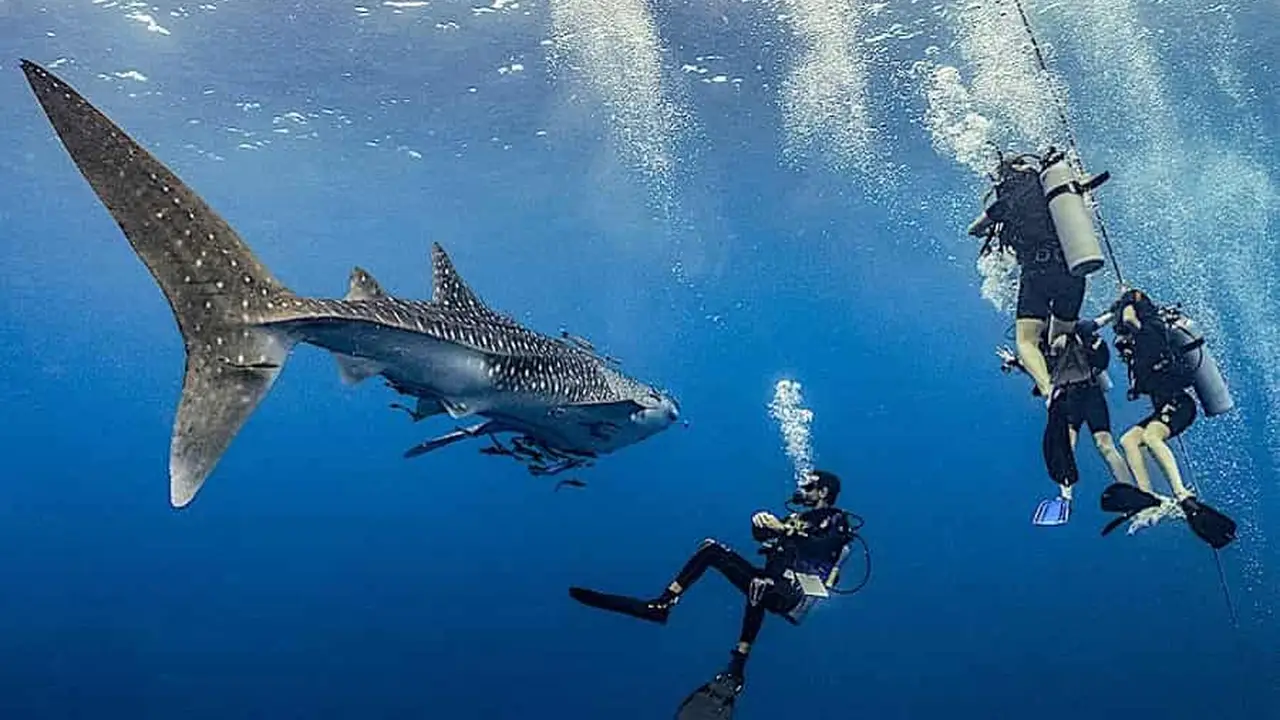
When discussing scuba diving in Thailand, the Similan Islands and Surin Islands National Parks are often the first names that come to mind, and for good reason. Located in the Andaman Sea, these protected areas are consistently ranked among the top dive sites in the world. The Similans are famous for their crystal-clear waters, massive granite boulders, and an abundance of pelagic species. Here, you can encounter manta rays, whale sharks (especially between February and May), leopard sharks, and a dazzling array of reef fish. The visibility often exceeds 30 meters, making it a photographer's paradise.
Popular dive sites within the Similans include Richelieu Rock, known for its purple soft corals and incredible macro life, and Koh Bon, a cleaning station for manta rays. Christmas Point and Elephant Head Rock offer dramatic swim-throughs and impressive rock formations. Liveaboards are the most popular way to explore these islands, allowing divers to access remote sites and enjoy multiple dives a day without the hassle of daily transfers. These trips typically range from 3 to 7 days, offering an immersive diving experience.
The Surin Islands, slightly further north, are equally impressive, particularly for their pristine coral reefs and the chance to see whale sharks. Koh Tachai, often referred to as 'Tachai Pinnacle,' is another highlight, famous for its strong currents and the large schools of fish it attracts. Both national parks are usually open from mid-October to mid-May, closing during the monsoon season to protect the marine environment.
Koh Tao The Scuba Diving Certification Hub
Moving to the Gulf of Thailand, Koh Tao stands out as one of the world's most popular and affordable places to get scuba certified. With countless dive schools offering PADI, SSI, and other certifications, Koh Tao attracts thousands of aspiring divers each year. The island's calm, shallow waters and abundant marine life make it an ideal learning environment. Prices for open water courses are highly competitive, often including accommodation, making it an attractive option for budget travelers.
Beyond certifications, Koh Tao offers excellent diving for certified divers too. Sail Rock, located between Koh Tao and Koh Phangan, is a renowned pinnacle dive site, famous for its 'chimney' swim-through and large schools of barracuda and trevally. Chumphon Pinnacle is another popular spot, known for its whale shark sightings and vibrant anemone fields. Other notable sites include Shark Island, Japanese Gardens, and White Rock, each offering unique underwater landscapes and marine encounters.
Phuket and Krabi Gateway to Andaman Sea Diving
Phuket and Krabi serve as major gateways to the Andaman Sea's dive sites, offering a mix of local diving and day trips to more distant locations. From Phuket, you can easily access the Phi Phi Islands, known for their dramatic limestone cliffs both above and below the water. The King Cruiser Wreck, a passenger ferry that sank in 1997, is a popular wreck dive site, teeming with marine life. Anemone Reef and Shark Point are also frequently visited, offering vibrant soft corals and leopard shark sightings.
Krabi, with its stunning karst landscapes, also provides access to excellent diving. While some dive sites overlap with those accessible from Phuket, Krabi offers a more relaxed atmosphere. The local islands around Krabi, such as Koh Lanta and Koh Phi Phi, provide a good mix of reef dives and opportunities for macro photography.
Pattaya and Koh Chang Gulf of Thailand Diving
While the Andaman Sea often gets the most attention, the Gulf of Thailand also offers compelling dive experiences, particularly around Pattaya and Koh Chang. Pattaya, though known for its bustling nightlife, has several interesting wreck dives, including the HTMS Khram and HTMS Kood, both intentionally sunk to create artificial reefs. These wrecks are now home to a variety of marine species and offer exciting penetration opportunities for experienced wreck divers.
Koh Chang, further east, provides a more laid-back diving experience. The HTMS Chang, one of Thailand's largest wrecks, is a highlight here, attracting a diverse range of marine life. The surrounding islands also offer healthy coral reefs and a chance to see smaller reef creatures. Visibility in the Gulf of Thailand can be more variable than in the Andaman Sea, but the dive sites are generally less crowded.
Best Time to Dive in Thailand Seasonal Considerations
The best time to dive in Thailand largely depends on whether you're heading to the Andaman Sea or the Gulf of Thailand. For the Andaman Sea (Similan Islands, Phuket, Krabi), the peak season is from November to April, with the calmest seas and best visibility. Whale shark sightings are more common from February to May. The monsoon season, from May to October, brings rougher seas and reduced visibility, and many liveaboards and dive centers in the Similans close during this period.
In the Gulf of Thailand (Koh Tao, Koh Samui, Koh Phangan), the diving season is generally from May to September, when the Andaman Sea experiences its monsoon. This makes Thailand a year-round diving destination, as you can always find good conditions somewhere in the country. However, the best overall conditions for the Gulf are typically from March to October.
Recommended Scuba Diving Gear for Thailand Tropical Diving Essentials
Given Thailand's warm waters, you won't need heavy exposure protection. A 3mm shorty wetsuit or even just a rash guard and board shorts are usually sufficient. However, it's always a good idea to bring your own mask, snorkel, and fins for comfort and fit. Here are some specific gear recommendations:
Masks for Clear Vision and Comfort
For masks, consider models like the Aqua Lung Look 2 or the Mares X-Vision Ultra Liquidskin. The Aqua Lung Look 2 is a classic, known for its wide field of vision and comfortable fit, suitable for most face shapes. It typically retails for around $70-$90. The Mares X-Vision Ultra Liquidskin offers a revolutionary skirt material that adapts to the diver's face, providing superior comfort and reducing pressure marks. It's a bit pricier, usually in the $90-$120 range. Both are excellent choices for clear vision in Thailand's vibrant waters.
Fins for Efficient Propulsion
When it comes to fins, open-heel fins with booties are generally preferred for their versatility and power, especially if you encounter currents. The Scubapro Seawing Nova is a top-tier choice, known for its efficient propulsion and comfortable foot pocket. It's a premium fin, often costing $180-$220, but its performance is unmatched. For a more budget-friendly yet effective option, the Mares Avanti Quattro Plus is a popular choice, offering good power and maneuverability for around $120-$150. Both are excellent for navigating Thailand's diverse dive sites.
Dive Computers for Safety and Data
A reliable dive computer is essential for safety and tracking your dives. The Shearwater Peregrine is an excellent mid-range option, offering a large, easy-to-read color screen and intuitive interface. It supports air, nitrox, and 3-gas nitrox, making it versatile for recreational divers. Its price point is typically around $500-$600. For a more entry-level but still highly capable option, the Cressi Leonardo is a solid choice, providing all essential dive data in a user-friendly format for about $200-$250. Both will serve you well in Thailand, ensuring you stay within safe limits.
Underwater Cameras for Capturing Memories
To capture Thailand's stunning underwater beauty, an action camera like the GoPro Hero 11 Black with an underwater housing is a fantastic option for beginners and casual photographers. It's compact, easy to use, and delivers impressive 5.3K video and 27MP photos. The camera itself is around $400-$500, with housings adding another $50-$100. For those looking for higher quality stills, a compact camera like the Olympus TG-6, known for its excellent macro capabilities and robust waterproof design (up to 15m without housing), is a great choice. With an additional underwater housing, it can go much deeper. The TG-6 body is typically $450-$550, and a good housing can be $300-$500. Remember to also consider a red filter or external lights for accurate color rendition underwater.
Scuba Diving Training and Certification in Thailand Learning to Dive
Thailand is an ideal place to learn to dive or advance your certifications. The calm, warm waters and competitive pricing make it highly attractive. Most dive centers offer PADI and SSI courses, which are globally recognized. An Open Water Diver course typically takes 3-4 days and includes confined water training, knowledge development, and four open water dives. Prices vary but generally range from $300-$450, often including equipment rental and sometimes even accommodation.
For certified divers, Thailand offers a wide array of advanced courses. The Advanced Open Water Diver course allows you to explore different types of diving, such as deep diving, wreck diving, and underwater navigation. Specialty courses like Enriched Air Nitrox, Underwater Photography, and Peak Performance Buoyancy are also widely available, allowing you to tailor your diving skills to your interests. Many divers also choose to complete their Divemaster or Instructor training in Thailand, taking advantage of the high volume of students and experienced instructors.
Marine Conservation and Responsible Diving Protecting Thailand's Reefs
Thailand's marine ecosystems, like many globally, face challenges from climate change, overfishing, and tourism. Responsible diving practices are crucial to help preserve these precious environments. Always maintain good buoyancy control to avoid contact with corals, never touch or harass marine life, and refrain from taking souvenirs from the ocean. Many dive centers in Thailand are actively involved in conservation efforts, such as coral restoration projects and marine debris cleanups. Supporting these eco-conscious operators helps ensure the long-term health of Thailand's reefs.
Participating in marine conservation workshops or citizen science programs, often offered by dive centers, can also be a rewarding way to contribute. Learning about the local marine species and their habitats enhances your diving experience and fosters a deeper appreciation for the underwater world.
Beyond the Dive Exploring Thailand's Culture and Cuisine
While scuba diving is undoubtedly a major draw, Thailand offers so much more to explore. After a day of diving, immerse yourself in the local culture. Indulge in delicious Thai cuisine, from spicy curries to fresh seafood, at local markets and restaurants. Explore ancient temples, witness vibrant festivals, or relax on pristine beaches. Thai massage is a perfect way to unwind after multiple dives.
The hospitality of the Thai people, known as 'Sanuk' (the pleasure of enjoying life), adds another layer to the overall experience. Whether you're exploring the bustling streets of Bangkok, the serene mountains of Chiang Mai, or the idyllic islands, Thailand promises a rich and diverse travel experience that perfectly complements its world-class diving.
Final Thoughts on Scuba Diving in Thailand An Unforgettable Adventure
In conclusion, Thailand truly lives up to its reputation as a premier scuba diving destination. Its diverse dive sites, abundant marine life, warm waters, and excellent infrastructure cater to divers of all levels. From the pelagic encounters in the Similan Islands to the vibrant reefs of Koh Tao and the fascinating wrecks of Pattaya, every dive offers a unique adventure. Coupled with its rich culture, delicious food, and welcoming people, a scuba diving trip to Thailand is an unforgettable experience that will leave you longing for your next underwater exploration.
:max_bytes(150000):strip_icc()/277019-baked-pork-chops-with-cream-of-mushroom-soup-DDMFS-beauty-4x3-BG-7505-5762b731cf30447d9cbbbbbf387beafa.jpg)