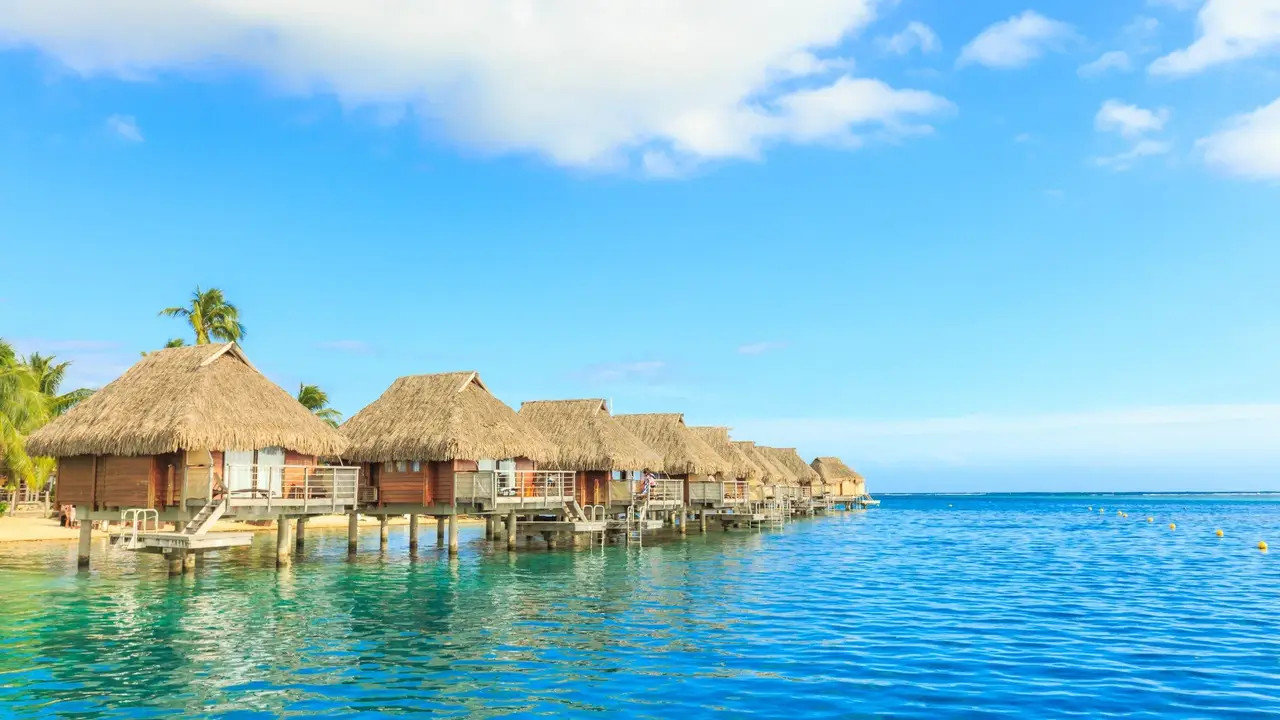
Scuba Diving in Fiji The Soft Coral Capital
Explore the vibrant soft coral gardens and abundant marine life that make Fiji a diver's paradise.
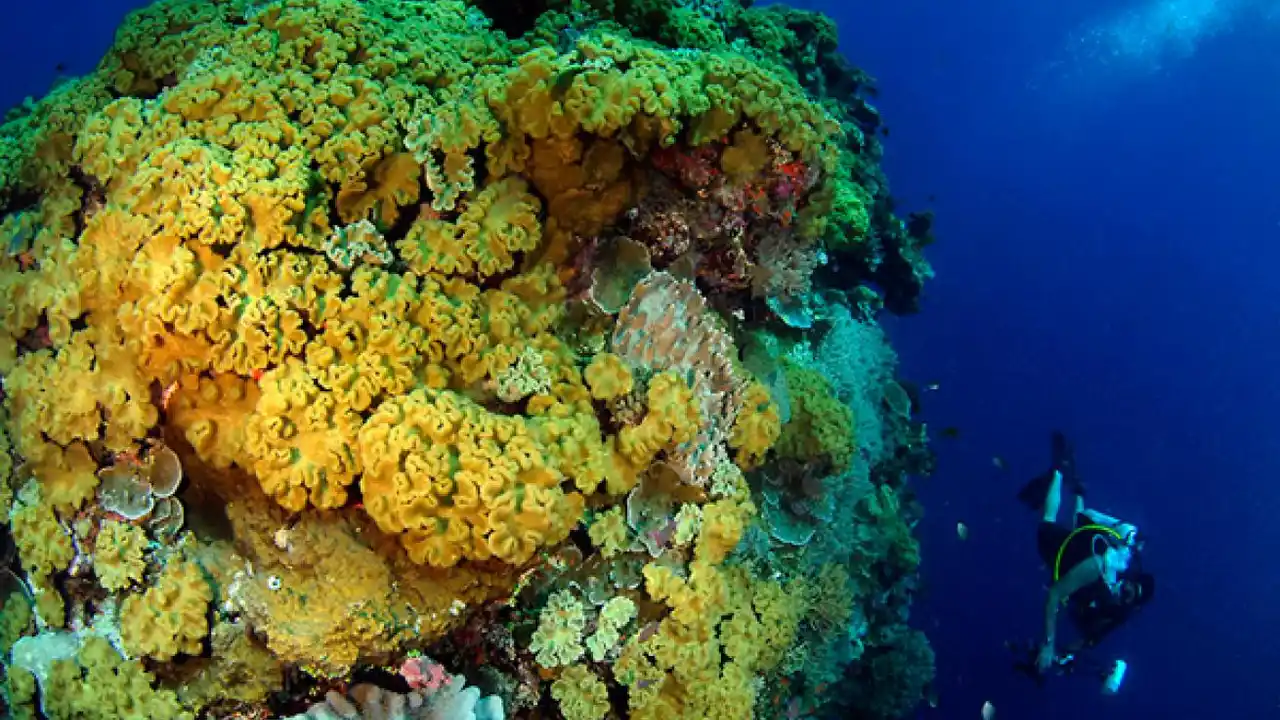
Explore the vibrant soft coral gardens and abundant marine life that make Fiji a diver's paradise.
Scuba Diving in Fiji The Soft Coral Capital
Fiji, an archipelago of more than 300 islands in Melanesia, is often hailed as the "Soft Coral Capital of the World." This isn't just a catchy slogan; it's a testament to the incredible biodiversity and the sheer abundance of vibrant, pulsating soft corals that thrive in its warm, nutrient-rich waters. For any diver, from novice to seasoned pro, Fiji offers an unparalleled underwater experience, a kaleidoscope of colors and marine life that will leave you breathless. But what exactly makes Fiji so special for scuba diving? Let's dive in and explore.
Why Fiji is a Diver's Paradise Unveiling its Underwater Charms
Fiji's unique geographical location and oceanographic conditions contribute to its extraordinary marine environment. Situated in the heart of the Pacific, it benefits from strong currents that bring in a constant supply of nutrients, feeding the soft corals and attracting a vast array of marine life. The water temperatures are consistently warm, typically ranging from 25°C to 30°C (77°F to 86°F), making for comfortable diving year-round. Visibility is often exceptional, frequently exceeding 30 meters (100 feet), allowing for breathtaking views of the expansive coral gardens and the creatures that call them home.
Beyond the soft corals, Fiji boasts an incredible diversity of hard corals, creating intricate reef structures that provide shelter and hunting grounds for countless species. You'll encounter an astonishing variety of reef fish, from tiny, iridescent damselfish to majestic parrotfish and graceful angelfish. Pelagic species are also a common sight, with regular encounters with reef sharks, manta rays, eagle rays, and even hammerheads in certain areas. The sheer abundance and variety of marine life make every dive an adventure, a constant discovery of new and exciting creatures.
Top Dive Regions in Fiji Exploring the Best of the Best
While almost any island in Fiji offers fantastic diving, certain regions stand out for their exceptional beauty and unique characteristics. Knowing where to go can significantly enhance your diving experience.
Bligh Water and Vatu-i-Ra Passage Fiji's Pelagic Playground
Located between Fiji's two main islands, Viti Levu and Vanua Levu, Bligh Water and the Vatu-i-Ra Passage are renowned for their strong currents and the incredible pelagic action they attract. This area is a magnet for large schools of fish, various shark species (including grey reef sharks, white-tip reef sharks, and occasionally hammerheads), and majestic manta rays. The soft coral formations here are also spectacular, often swaying rhythmically with the currents, creating a mesmerizing underwater dance. Dive sites like 'Mount Mutiny' and 'E-6' are legendary for their vibrant soft corals and abundant marine life. Liveaboards are a popular way to explore this region, offering access to remote and pristine sites.
Beqa Lagoon Shark Diving Capital of Fiji
For the thrill-seekers, Beqa Lagoon, located off the southern coast of Viti Levu, is a must-visit. It's famous for its exhilarating shark dives, where you can safely observe up to eight different species of sharks, including bull sharks, tiger sharks, and nurse sharks, in their natural habitat. These dives are conducted by experienced operators with strict safety protocols, offering an incredible opportunity to witness these magnificent predators up close. Beyond the shark dives, Beqa Lagoon also offers beautiful reef dives with healthy hard and soft corals and a diverse array of reef fish.
Taveuni The Garden Island's Underwater Gems
Taveuni, known as Fiji's "Garden Island" for its lush rainforests, is equally stunning beneath the waves. The Somosomo Strait, separating Taveuni from Vanua Levu, is home to some of Fiji's most iconic dive sites, including the legendary 'Rainbow Reef' and 'Great White Wall.' These sites are famous for their incredibly dense and colorful soft coral formations, which truly live up to their names. The 'Great White Wall,' in particular, is a breathtaking sight, a sheer drop-off covered in pristine white soft corals that glow under the dive lights. Currents can be strong here, making it ideal for drift diving and attracting a wide variety of marine life.
Kadavu Remote Beauty and Pristine Reefs
Kadavu, Fiji's fourth-largest island, offers a more remote and untouched diving experience. It's home to the Great Astrolabe Reef, one of the largest barrier reefs in the world. This region is characterized by its pristine coral gardens, abundant fish life, and frequent sightings of manta rays, especially during the manta season (typically May to October). The diving here is less crowded, offering a sense of tranquility and an opportunity to explore untouched underwater landscapes. Dive sites like 'Naiqoro Passage' are known for their strong currents and large pelagic encounters.
Essential Scuba Diving Gear for Your Fiji Adventure Equipping for Success
While most dive resorts and liveaboards in Fiji offer rental gear, having your own well-maintained equipment can significantly enhance your comfort and overall diving experience. Here's a breakdown of essential gear and some product recommendations:
Mask and Snorkel Clear Vision and Surface Comfort
A good mask is crucial for clear underwater vision. Look for one that fits comfortably and creates a good seal on your face. A low-volume mask often provides a wider field of view. A snorkel is useful for surface swimming and conserving air before a dive.
- Product Recommendation: Aqua Lung Look 2 Mask
- Features: This mask is known for its comfortable fit, wide field of vision, and durable construction. It's a popular choice for many divers due to its reliability.
- Use Case: Ideal for divers of all experience levels seeking a comfortable and clear view underwater.
- Comparison: Compared to cheaper masks, the Look 2 offers superior silicone quality for a better seal and less fogging.
- Estimated Price: $70 - $90 USD
- Product Recommendation: Cressi Supernova Dry Snorkel
- Features: Features a dry top that prevents water entry, a purge valve for easy clearing, and a comfortable silicone mouthpiece.
- Use Case: Perfect for surface swimming, snorkeling, and waiting for your dive boat.
- Comparison: Dry snorkels like this are far superior to basic snorkels as they prevent accidental water intake.
- Estimated Price: $30 - $45 USD
Fins Propulsion and Efficiency
Fins are essential for propulsion and maneuvering underwater. Open-heel fins with boots are generally preferred for their power and comfort, especially in currents. Full-foot fins are lighter and good for warmer waters but offer less protection.
- Product Recommendation: Mares Avanti Quattro Plus Fins
- Features: These open-heel fins are renowned for their powerful thrust, efficiency, and comfortable foot pocket. They are excellent for strong currents.
- Use Case: Suitable for all types of diving, especially where strong currents are present or for divers who prefer powerful fins.
- Comparison: While more expensive than some entry-level fins, their performance and durability make them a worthwhile investment.
- Estimated Price: $150 - $200 USD
- Product Recommendation: Scubapro Go Travel Fins (Full Foot)
- Features: Lightweight, compact, and durable full-foot fins, perfect for travel. They offer good propulsion for their size.
- Use Case: Ideal for divers who prefer full-foot fins, especially in warm water, or for those looking to minimize luggage weight.
- Comparison: Less powerful than open-heel fins but excellent for portability and ease of use.
- Estimated Price: $70 - $90 USD
Wetsuit Thermal Protection and Comfort
Even in warm Fijian waters, a wetsuit provides thermal protection and safeguards against minor scrapes and stings. A 3mm full wetsuit or a 5mm shorty is usually sufficient.
- Product Recommendation: Henderson Thermoprene Pro 3mm Wetsuit
- Features: Made from flexible Thermoprene material for comfort and ease of movement. Provides excellent thermal insulation for warm water.
- Use Case: Perfect for multiple dives in Fiji's warm waters, offering protection and warmth without restricting movement.
- Comparison: Offers better flexibility and comfort than many standard neoprene wetsuits.
- Estimated Price: $200 - $280 USD
- Product Recommendation: Mares Reef Shorty 2.5mm Wetsuit
- Features: A lightweight shorty wetsuit, ideal for very warm water or for divers who prefer less coverage. Easy to put on and take off.
- Use Case: Great for casual dives in tropical conditions where minimal thermal protection is needed.
- Comparison: Less thermal protection than a full suit but offers maximum freedom of movement.
- Estimated Price: $80 - $120 USD
BCD Buoyancy Control Device
Your BCD (Buoyancy Control Device) is crucial for maintaining neutral buoyancy and carrying your tank. There are various styles, including jacket-style, back-inflate, and hybrid BCDs. Choose one that fits well and is comfortable.
- Product Recommendation: Scubapro Hydros Pro BCD
- Features: A premium, modular BCD known for its incredible comfort, durability, and customizable fit. It's travel-friendly and dries quickly.
- Use Case: Ideal for serious divers who want a high-performance, customizable BCD for frequent travel and diverse diving conditions.
- Comparison: While at the higher end of the price spectrum, its features and longevity justify the investment for many.
- Estimated Price: $800 - $1100 USD
- Product Recommendation: Cressi Start Pro BCD
- Features: A robust and reliable jacket-style BCD, excellent for beginners or those seeking a straightforward, durable option.
- Use Case: Great for recreational divers looking for a dependable and easy-to-use BCD.
- Comparison: A more budget-friendly option than high-end BCDs, offering solid performance for its price point.
- Estimated Price: $350 - $450 USD
Regulator and Octopus Reliable Air Delivery
Your regulator is your lifeline underwater, delivering air from your tank. A reliable primary regulator and a backup (octopus) are non-negotiable safety items.
- Product Recommendation: Aqua Lung Legend LX Supreme Regulator Set
- Features: Known for its exceptional breathing performance, reliability, and cold-water capabilities (though not strictly needed in Fiji, it speaks to its quality). Comes with an auto-closure device to prevent water entry.
- Use Case: A top-tier regulator set for divers who prioritize performance, reliability, and comfort in breathing.
- Comparison: Often compared to other high-end regulators like the Apeks XTX200, offering similar top-tier performance.
- Estimated Price: $800 - $1200 USD (for primary and octopus)
- Product Recommendation: Mares Rover 15X Regulator Set
- Features: A durable and reliable entry-level to mid-range regulator, offering consistent air delivery and ease of maintenance.
- Use Case: Excellent for recreational divers seeking a dependable and affordable regulator set.
- Comparison: A great value option that performs well for most recreational diving scenarios, though not as feature-rich as premium models.
- Estimated Price: $400 - $600 USD (for primary and octopus)
Dive Computer Essential Safety and Data Tracking
A dive computer is an absolute must for tracking depth, bottom time, no-decompression limits, and ascent rates. It's your primary safety device.
- Product Recommendation: Suunto D5 Dive Computer
- Features: A user-friendly, wrist-mounted dive computer with a color screen, customizable display, and wireless air integration capability.
- Use Case: Suitable for divers of all levels, offering clear data presentation and advanced features for those who want them.
- Comparison: Offers a good balance of features, ease of use, and aesthetics compared to more complex or basic models.
- Estimated Price: $600 - $800 USD (without transmitter)
- Product Recommendation: Aqua Lung i300C Dive Computer
- Features: A simple, intuitive, and robust wrist-mounted dive computer with Bluetooth connectivity for easy logbook transfer.
- Use Case: Ideal for recreational divers looking for a reliable and straightforward dive computer without too many complex features.
- Comparison: A more budget-friendly option that still provides all essential dive data and safety warnings.
- Estimated Price: $300 - $400 USD
Dive Light Illuminating the Depths
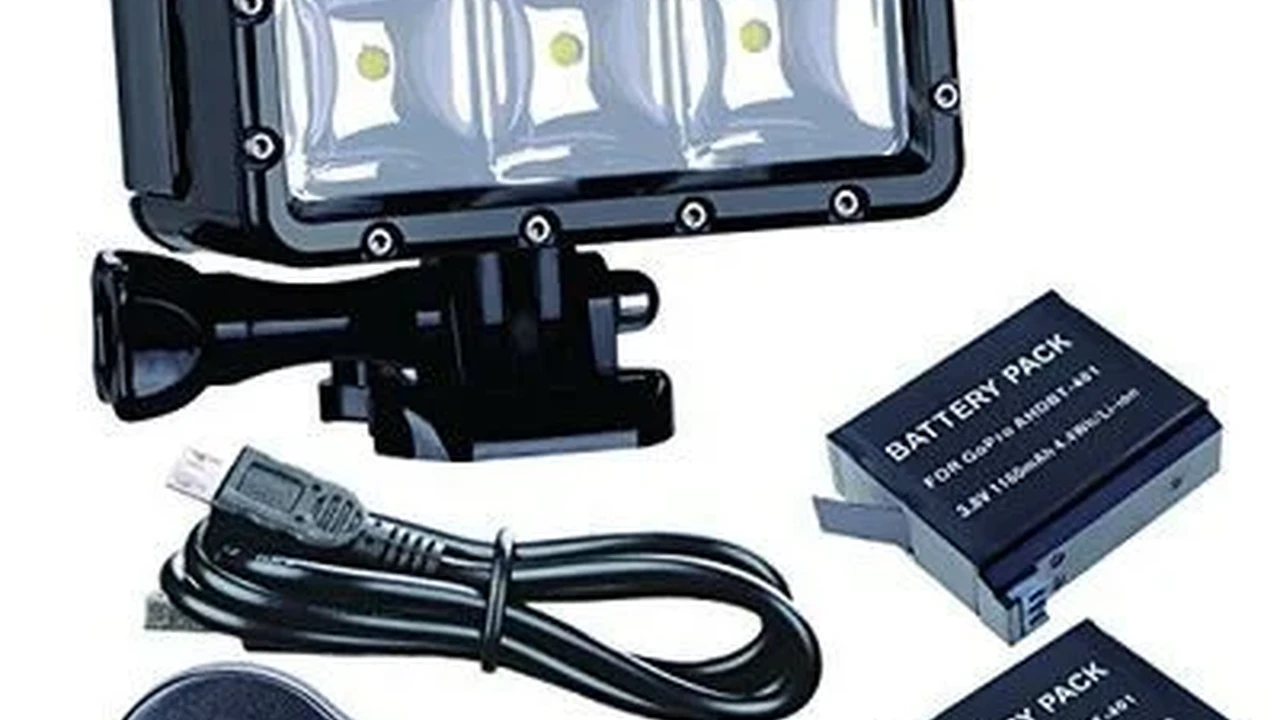
Even during day dives, a dive light can bring out the true colors of the corals and marine life, which appear muted at depth. It's also essential for exploring overhangs and crevices.
- Product Recommendation: Light & Motion Sola Dive 2500 Spot/Flood
- Features: A compact, powerful, and versatile dive light with both spot and flood beams. Rechargeable and easy to use.
- Use Case: Excellent for illuminating corals, spotting marine life, and as a primary light for night dives.
- Comparison: Offers superior brightness and beam quality compared to many smaller, cheaper dive lights.
- Estimated Price: $400 - $500 USD
- Product Recommendation: OrcaTorch D520 Dive Light
- Features: A compact and durable dive light offering a good balance of brightness and battery life for its price.
- Use Case: A reliable backup light or a primary light for recreational day dives to enhance colors.
- Comparison: A great value option for divers who want a dependable light without a high price tag.
- Estimated Price: $80 - $120 USD
Best Time to Dive in Fiji Planning Your Trip
Fiji enjoys a tropical climate, making it a year-round diving destination. However, there are two distinct seasons, each with its own advantages:
Dry Season May to October
This is generally considered the peak season for diving in Fiji. The weather is drier, with less rainfall, and the water visibility is at its best, often exceeding 30 meters (100 feet). The air temperatures are pleasant, and humidity is lower. This period also coincides with the peak season for manta ray sightings, particularly around Kadavu and the Yasawa Islands. However, this is also the busiest time, so expect more crowds and higher prices for flights and accommodations.
Wet Season November to April
The wet season brings higher humidity and more frequent, though often short, tropical downpours. While visibility might be slightly reduced due to runoff, it's still generally excellent. The water temperatures are at their warmest, and the marine life is still abundant. This period is often considered the 'low season,' meaning fewer crowds and potentially better deals on travel and accommodation. It's also the prime time for spotting hammerhead sharks in certain areas.
Responsible Diving Practices Protecting Fiji's Fragile Ecosystems
Fiji's soft coral gardens and vibrant reefs are incredibly fragile and susceptible to human impact. As divers, we have a responsibility to protect these precious ecosystems. Here are some key responsible diving practices:
- Maintain Excellent Buoyancy Control: This is paramount. Avoid touching corals, stirring up sediment, or kicking the reef. Practice your buoyancy skills until you can hover effortlessly.
- Never Touch or Collect Marine Life: Observe marine life from a respectful distance. Do not touch, chase, or harass any creatures. Leave everything as you found it.
- Be Mindful of Your Gear: Ensure all your hoses and gauges are tucked away and not dangling, as they can easily snag on corals.
- Choose Eco-Friendly Operators: Support dive operators and resorts that demonstrate a commitment to marine conservation, follow responsible diving guidelines, and educate their guests on environmental protection.
- Reduce Your Waste: Minimize your use of single-use plastics and dispose of all waste properly. Consider bringing a reusable water bottle.
- Report Damage or Concerns: If you notice any damage to the reef or irresponsible behavior, report it to your dive guide or local authorities.
Beyond the Dives Exploring Fiji's Culture and Beauty
While the underwater world of Fiji is undeniably captivating, don't forget to experience the rich culture and stunning natural beauty above the surface. Fiji is famous for its warm hospitality, known as "Bula Spirit."
- Visit a Local Village: Experience a traditional Fijian village, participate in a kava ceremony, and learn about local customs. Remember to dress modestly and bring a small gift (sevusevu) for the village chief.
- Explore Waterfalls and Rainforests: Many islands offer lush rainforests with stunning waterfalls, perfect for hiking and swimming. Taveuni's Bouma National Heritage Park is a prime example.
- Relax on Pristine Beaches: Fiji boasts some of the most beautiful beaches in the world, with soft white sand and crystal-clear waters. Perfect for unwinding after a day of diving.
- Indulge in Fijian Cuisine: Sample traditional Fijian dishes like Kokoda (Fijian ceviche), Lovo (food cooked in an underground oven), and fresh seafood.
- Experience a Meke: Enjoy a traditional Fijian dance and music performance, often accompanied by a Lovo feast.
Fiji truly offers a holistic travel experience, combining world-class diving with rich cultural immersion and breathtaking natural landscapes. Whether you're drawn by the vibrant soft corals, the thrilling shark encounters, or the serene beauty of its remote reefs, Fiji promises an unforgettable adventure for every diver.
:max_bytes(150000):strip_icc()/277019-baked-pork-chops-with-cream-of-mushroom-soup-DDMFS-beauty-4x3-BG-7505-5762b731cf30447d9cbbbbbf387beafa.jpg)