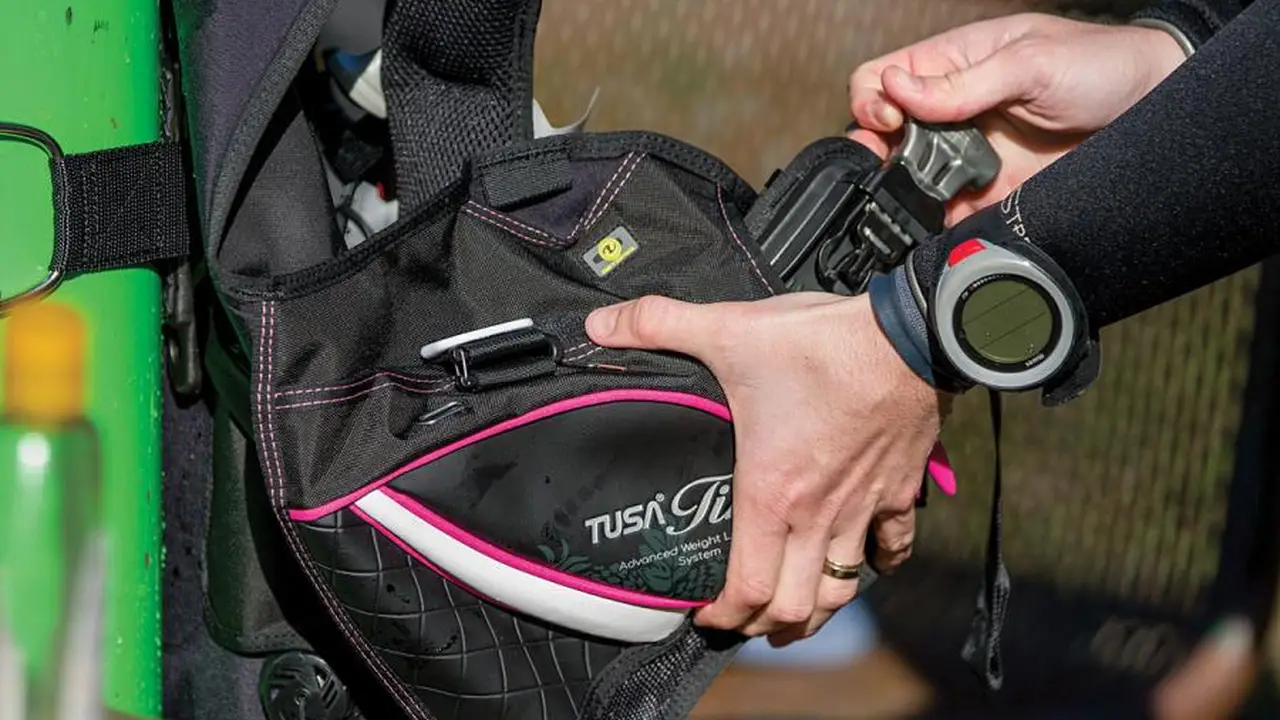
Best Scuba Diving Travel Insurance Options
{ "article": [ { "title": "Best Scuba Diving Travel Insurance Options", "meta_description": "Comparison of travel insurance policies specifically designed for scuba divers, covering medical and gear.", "content": "Comparison of travel insurance policies specifically designed for scuba divers, covering medical and gear.\n\n
\n\n
Hey there, fellow divers! We all love the thrill of exploring the underwater world, right? But let's be real, diving, while incredibly rewarding, isn't without its risks. From unexpected ear infections to more serious decompression sickness (DCS), or even just a lost piece of expensive gear, things can happen. That's where scuba diving travel insurance comes in. It's not just a good idea; for many of us, it's an absolute necessity. Think of it as your financial safety net, ensuring that if something goes wrong, you're covered without having to drain your savings.
\n\nNow, you might be thinking, \"Can't I just use my regular travel insurance?\" And the answer is, maybe, but probably not adequately. Standard travel insurance often has exclusions for 'hazardous activities,' and guess what? Scuba diving often falls into that category, especially if you're going deeper than recreational limits or engaging in technical diving. That's why specialized dive insurance is so crucial. It's designed to cover the unique risks associated with our passion.
\n\nIn this comprehensive guide, we're going to dive deep into the world of scuba diving travel insurance. We'll look at what makes a good policy, compare some of the top providers, discuss specific scenarios where insurance is a lifesaver, and even recommend some specific products. Our goal is to help you make an informed decision so you can focus on enjoying your dives with peace of mind.
\n\nUnderstanding Scuba Diving Insurance What to Look For
\n\nBefore we jump into specific providers, let's break down what you should be looking for in a good scuba diving travel insurance policy. Not all policies are created equal, and understanding the key components will help you choose the best fit for your diving adventures.
\n\nMedical Coverage for Diving Related Incidents
\n\nThis is arguably the most critical aspect. You need robust coverage for medical emergencies specifically related to diving. This includes:
\n- \n
- Decompression Sickness (DCS) Treatment: This is paramount. Hyperbaric chamber treatments for DCS can be incredibly expensive, often costing tens of thousands of dollars. Your policy must explicitly cover this. \n
- Evacuation and Repatriation: If you get sick or injured in a remote location, you might need to be airlifted to a medical facility or even flown back to your home country. This can be astronomically expensive without insurance. \n
- General Medical Expenses: Beyond DCS, you could get an ear infection, a coral cut, or any other illness or injury while traveling. Ensure your policy covers general medical care, hospital stays, and prescription medications. \n
- Pre-existing Conditions: If you have any pre-existing medical conditions, check if they are covered, and if so, under what terms. Some policies might require a medical clearance or charge an additional premium. \n
Gear Protection and Equipment Coverage
\n\nYour dive gear is an investment, and losing it or having it damaged can be a real headache, not to mention costly. Look for policies that offer:
\n- \n
- Lost, Stolen, or Damaged Gear: This covers your personal dive equipment (BCD, regulator, wetsuit, computer, camera, etc.) if it's lost, stolen, or damaged during your trip. \n
- Rental Equipment Coverage: Some policies might even cover rental gear if it's damaged while in your care. \n
- Baggage Delay/Loss: While not strictly dive gear, if your luggage (with your dive gear in it) is delayed or lost, this coverage can help you rent gear or buy essentials until your bags arrive. \n
Trip Interruption and Cancellation
\n\nLife happens, and sometimes, despite your best plans, you might need to cancel or cut short your trip. This coverage protects your financial investment in your travel plans:
\n- \n
- Trip Cancellation: Reimburses non-refundable expenses (flights, accommodation, dive packages) if you have to cancel your trip due to covered reasons (e.g., illness, natural disaster, family emergency). \n
- Trip Interruption: Covers additional expenses (e.g., new flights) if your trip is cut short due to a covered reason. \n
- Dive Operator Insolvency: A less common but important one – if your dive operator or liveaboard goes out of business before or during your trip, some policies might offer protection. \n
Liability Coverage for Divers
\n\nWhile rare, accidents can happen where you might be held liable for injury to another person or damage to property. Some policies offer:
\n- \n
- Personal Liability: Covers legal expenses and damages if you are found legally responsible for an accident. \n
Emergency Assistance and 24/7 Support
\n\nWhen you're in a foreign country and an emergency strikes, you need immediate help. Look for policies that provide:
\n- \n
- 24/7 Emergency Hotline: Access to a team that can help coordinate medical care, evacuations, and provide language assistance. \n
- Direct Payment to Providers: Some insurers can arrange direct payment to hospitals or hyperbaric chambers, saving you from having to pay upfront and seek reimbursement later. \n
Top Scuba Diving Travel Insurance Providers Compared
\n\nNow that we know what to look for, let's compare some of the leading providers that offer specialized scuba diving travel insurance. Each has its strengths, and the best choice for you will depend on your specific needs, travel habits, and budget.
\n\nDAN Divers Alert Network Insurance
\n\nOverview: DAN (Divers Alert Network) is probably the most well-known and respected name in dive safety and insurance. They are a non-profit organization dedicated to dive safety and research. Their insurance plans are specifically designed for divers, by divers, making them a top choice for many.
\n\nKey Features:
\n- \n
- Primary Coverage for Dive Accidents: DAN's plans are often primary, meaning they pay first, before your regular health insurance. This can simplify claims and reduce out-of-pocket expenses. \n
- Comprehensive DCS Coverage: Their plans are renowned for their robust coverage of hyperbaric treatments and related medical expenses. \n
- Worldwide Coverage: DAN offers global coverage, which is essential for international dive travel. \n
- 24/7 Emergency Hotline: Access to medical professionals specializing in dive medicine. \n
- Membership Benefits: Becoming a DAN member (often a prerequisite for their insurance) provides access to a wealth of dive safety resources, research, and a dive medical information line. \n
Specific Products/Plans:
\n- \n
- DAN Dive Accident Insurance: This is their core product, focusing specifically on dive-related medical emergencies. They offer different tiers (e.g., Preferred, Master, Guardian) with varying levels of coverage for medical expenses, evacuation, and repatriation. \n
- DAN Travel Insurance (powered by Generali Global Assistance): For broader travel coverage beyond just dive accidents, DAN partners with Generali to offer comprehensive travel insurance that includes trip cancellation, interruption, baggage, and general medical coverage, with an option to add dive accident coverage. \n
Use Cases: Ideal for serious divers, frequent travelers, and anyone who wants the most specialized and comprehensive dive accident coverage. If you prioritize dive-specific medical care and emergency support, DAN is hard to beat.
\n\nApproximate Pricing: DAN Dive Accident Insurance plans can range from around $40-$100+ per year, depending on the coverage level. Their travel insurance plans vary widely based on trip cost, duration, and age, similar to standard travel insurance.
\n\nWorld Nomads Travel Insurance
\n\nOverview: World Nomads is a popular choice for adventurous travelers, and they are well-known for covering a wide range of adventure sports, including scuba diving. They offer flexible policies that can be purchased or extended even after you've started your trip.
\n\nKey Features:
\n- \n
- Adventure Sports Coverage: Scuba diving is typically covered up to a certain depth (e.g., 50 meters/164 feet) on their Standard and Explorer plans, provided you are certified and diving with a licensed operator. \n
- Comprehensive Travel Coverage: Includes medical emergencies (non-dive related), trip cancellation/interruption, baggage, and personal liability. \n
- Flexible Policies: You can buy or extend policies online from anywhere in the world. \n
- 24/7 Emergency Assistance: Global support for medical and travel emergencies. \n
Specific Products/Plans:
\n- \n
- Standard Plan: Covers recreational scuba diving up to a specified depth. \n
- Explorer Plan: Offers higher limits and often covers more adventurous activities, potentially including deeper recreational diving or some technical diving (always check the fine print for specific exclusions).
Use Cases: Great for divers who also engage in other adventure sports or need comprehensive travel insurance that includes dive coverage. If you're backpacking, taking a gap year, or just want a flexible policy that covers more than just diving, World Nomads is a strong contender.
\n\nApproximate Pricing: Varies significantly based on your age, destination, trip duration, and chosen plan. A two-week trip could range from $100-$300+, but it's best to get a personalized quote on their website.
\n\nDiveAssure Insurance
\n\nOverview: DiveAssure is another highly specialized dive insurance provider, similar to DAN, but with some unique offerings. They focus exclusively on divers and offer a range of plans from dive accident-only to comprehensive travel insurance with dive coverage.
\n\nKey Features:
\n- \n
- Direct Payment to Hyperbaric Chambers: A significant advantage, as they often arrange direct payment, reducing your out-of-pocket burden. \n
- Coverage for Dive Professional Liability: They offer specific plans for dive instructors and divemasters, which is crucial for those working in the industry. \n
- Liveaboard and Dive Operator Insolvency: Some of their plans specifically cover financial losses due to the insolvency of a dive operator or liveaboard. \n
- Worldwide Coverage: Global coverage for dive and travel emergencies. \n
Specific Products/Plans:
\n- \n
- Dive & Travel Plan: A comprehensive plan that combines dive accident coverage with broader travel insurance benefits (trip cancellation, medical, baggage). \n
- Dive Accident Only Plan: For those who already have general travel insurance but need specific dive accident coverage. \n
- Pro Plan: Tailored for dive professionals, including liability coverage. \n
Use Cases: Excellent for divers who want specialized dive coverage with the added benefit of direct payment to medical facilities. Also a top choice for dive professionals or those concerned about dive operator insolvency.
\n\nApproximate Pricing: Annual plans for dive accident-only can be around $60-$150+. Comprehensive Dive & Travel plans will vary based on trip details, similar to World Nomads.
\n\nTravel Guard (AIG)
\n\nOverview: Travel Guard is a major player in the general travel insurance market, and they offer various plans that can be customized to include adventure sports coverage, which often encompasses scuba diving.
\n\nKey Features:
\n- \n
- Customizable Plans: You can often add riders or upgrades to include coverage for hazardous sports, which would cover scuba diving. \n
- Reputable Insurer: Backed by AIG, a large and well-established insurance company. \n
- Various Tiers: Offer different levels of coverage (e.g., Essential, Preferred, Deluxe) to suit different budgets and needs. \n
- 24/7 Travel Assistance: Standard for major travel insurers. \n
Specific Products/Plans:
\n- \n
- You'll need to check the specific policy wording for each plan (e.g., Preferred or Deluxe) and look for an 'Adventure Sports' or 'Hazardous Activities' rider. Ensure it explicitly covers scuba diving to your intended depth and type of diving. \n
Use Cases: Good for travelers who want a single policy for all their travel needs, including diving, and prefer to go with a large, established insurer. Make sure to confirm the dive coverage details before purchasing.
\n\nApproximate Pricing: Highly variable based on trip cost, duration, and chosen plan/riders. Generally competitive with other major travel insurers.
\n\nSpecific Scenarios When Scuba Diving Insurance is a Lifesaver
\n\nLet's look at some real-world examples where having the right scuba diving travel insurance can save you from significant financial burden and stress.
\n\nThe Unexpected DCS Incident
\n\nImagine you're diving in a remote part of Indonesia, and after a series of dives, you start feeling unwell – joint pain, dizziness, and fatigue. These could be symptoms of DCS. Without specialized dive insurance, getting to the nearest hyperbaric chamber (which might be hours away by boat or plane) and undergoing treatment could cost you tens of thousands of dollars out of pocket. A good policy will cover the emergency evacuation, the hyperbaric treatment, and any follow-up medical care, allowing you to focus on recovery, not bills.
\n\nLost or Damaged Dive Gear
\n\nYou arrive at your dive destination, and your checked bag, containing your brand-new regulator and dive computer, is nowhere to be found. Or, during a dive, your expensive underwater camera housing springs a leak. While frustrating, if your policy includes gear protection, you can be reimbursed for the value of your lost or damaged equipment, or at least a significant portion of it, allowing you to replace it without a huge financial hit.
\n\nTrip Cancellation Due to Illness
\n\nA week before your dream liveaboard trip to the Galapagos, you come down with a severe flu and are deemed unfit to fly or dive by your doctor. Your flights, liveaboard booking, and pre-paid excursions are all non-refundable. With trip cancellation coverage, you can recoup these non-refundable expenses, saving you thousands of dollars and allowing you to reschedule your trip when you're healthy.
\n\nEmergency Evacuation from a Remote Island
\n\nYou're enjoying a dive trip on a small, remote island in the Philippines, and you suffer a non-diving related injury, like a broken leg from slipping on a wet deck. The local clinic can't handle it, and you need to be transported to a major hospital in Manila. An emergency medical evacuation by air ambulance can cost upwards of $50,000. Comprehensive travel insurance with robust medical evacuation coverage will handle these costs, ensuring you get the care you need.
\n\nChoosing Your Best Scuba Diving Insurance Policy Tips and Considerations
\n\nWith all this information, how do you pick the right policy for you? Here are some final tips and considerations:
\n\nAssess Your Diving Habits and Risks
\n\nAre you a recreational diver sticking to shallow reefs, or are you planning deep technical dives or cave diving? The deeper or more adventurous your diving, the more robust your coverage needs to be. Always check the depth limits and activity exclusions in any policy.
\n\nConsider Your Travel Frequency
\n\nIf you only dive once a year, a single-trip policy might be sufficient. But if you're a frequent diver, an annual multi-trip policy from a provider like DAN or DiveAssure might be more cost-effective and convenient.
\n\nRead the Fine Print Carefully
\n\nThis cannot be stressed enough. Insurance policies are complex documents. Pay close attention to:
\n- \n
- Exclusions: What is NOT covered? This is just as important as what IS covered. \n
- Depth Limits: Many policies have a maximum depth limit for scuba diving coverage. \n
- Certification Requirements: Most policies require you to be certified for the type of diving you are doing. \n
- Policy Limits: What are the maximum payouts for different categories (medical, evacuation, gear)? \n
- Deductibles: How much do you have to pay out of pocket before the insurance kicks in? \n
- Primary vs. Secondary Coverage: Does the policy pay first (primary) or after your other insurance (secondary)? Primary coverage is generally preferred for simplicity. \n
Compare Quotes from Multiple Providers
\n\nDon't just go with the first option you see. Get quotes from at least two or three different providers (e.g., DAN, World Nomads, DiveAssure) to compare coverage levels and pricing for your specific trip or annual needs.
\n\nDon't Forget Your Existing Coverage
\n\nCheck with your existing health insurance, credit card benefits, or homeowners/renters insurance. Some might offer limited travel or baggage coverage, but rarely will they cover specialized dive medical emergencies like DCS.
\n\nPurchase Early
\n\nFor trip cancellation benefits, you often need to purchase the policy shortly after making your initial trip deposit. Don't wait until the last minute!
\n\nUltimately, investing in good scuba diving travel insurance is investing in your peace of mind. It allows you to fully immerse yourself in the beauty of the underwater world, knowing that you're protected against the unexpected. So, do your research, choose wisely, and happy diving!
" } ] }:max_bytes(150000):strip_icc()/277019-baked-pork-chops-with-cream-of-mushroom-soup-DDMFS-beauty-4x3-BG-7505-5762b731cf30447d9cbbbbbf387beafa.jpg)