Comparing DSLR vs Mirrorless for Underwater Photography
Detailed comparison of DSLR and mirrorless camera systems for their suitability in underwater environments.
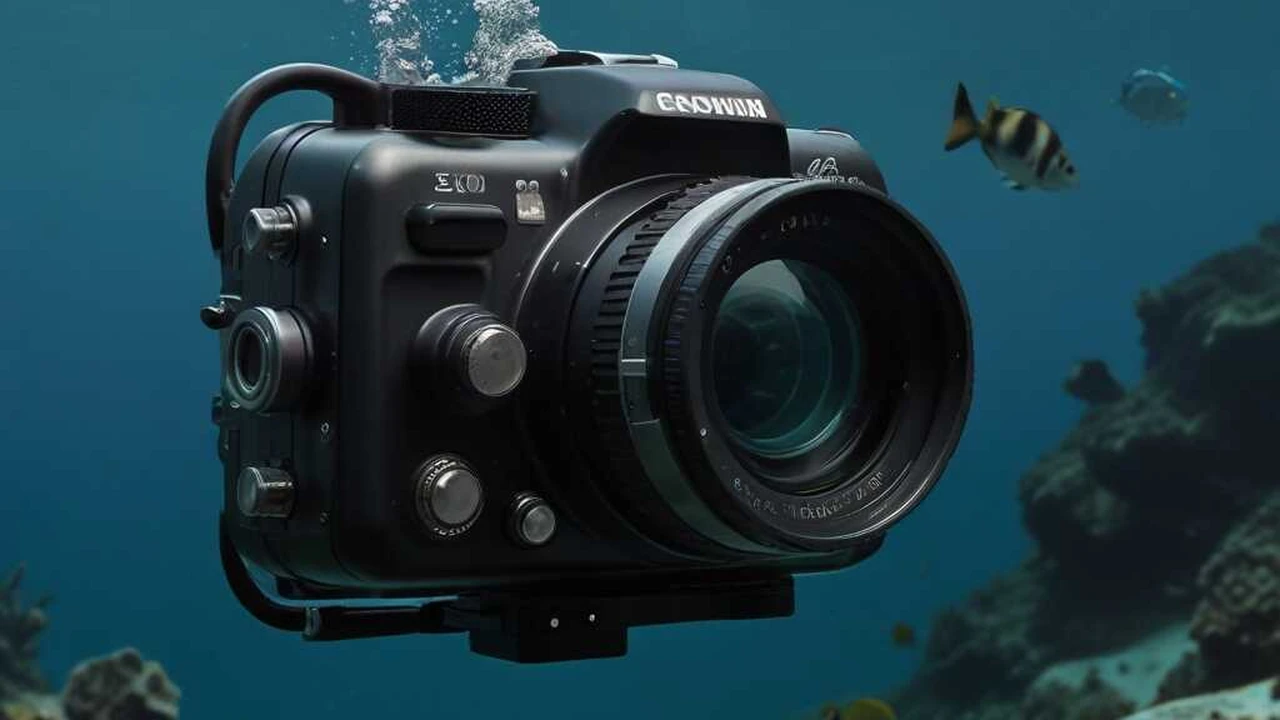
Detailed comparison of DSLR and mirrorless camera systems for their suitability in underwater environments.
Comparing DSLR vs Mirrorless for Underwater Photography
Alright, let's dive deep into one of the most debated topics in underwater photography: DSLR versus Mirrorless cameras. For years, DSLRs were the undisputed kings of serious photography, both topside and underwater. They offered incredible image quality, robust build, and a vast array of lenses. But then, mirrorless cameras came along, promising smaller sizes, faster autofocus, and electronic viewfinders that show you exactly what your final image will look like. So, which one is the better choice for capturing those stunning underwater moments? Let's break it down.
Understanding the Core Differences DSLR vs Mirrorless Camera Systems
First off, what's the fundamental difference? A DSLR (Digital Single-Lens Reflex) uses a mirror mechanism to reflect light from the lens up to an optical viewfinder. When you press the shutter, this mirror flips up, allowing light to hit the sensor. This mirror mechanism is why DSLRs are generally larger and heavier.
Mirrorless cameras, as the name suggests, ditch the mirror. Light passes directly through the lens to the sensor. This design allows for a much more compact body. Instead of an optical viewfinder, mirrorless cameras use an electronic viewfinder (EVF) or the rear LCD screen to display the image directly from the sensor.
Size and Weight Considerations for Underwater Camera Housings
This is a big one, especially when you're talking about underwater photography. The camera body itself is only part of the equation; you also need a robust underwater housing. Because DSLRs are inherently larger, their housings are also bigger and heavier. This can impact your travel luggage, the effort required to handle the rig underwater, and even the cost of housing ports.
Mirrorless cameras, being smaller, generally lead to more compact and lighter housings. This is a huge advantage for travel, especially if you're flying and have strict weight limits. A smaller rig is also easier to maneuver underwater, which can be a blessing when trying to get into tight spots or track fast-moving subjects.
For example, a full DSLR setup like a Nikon D850 in an Nauticam housing with a large dome port can easily weigh 15-20 lbs out of water. A mirrorless setup like a Sony A7 IV in an Ikelite housing with a similar port might be closer to 10-12 lbs. While both are negatively buoyant underwater, the topside weight and bulk are significant factors.
Autofocus Performance and Speed for Underwater Photography
Autofocus (AF) is crucial for sharp underwater photos, especially with moving subjects like fish or sharks. Historically, DSLRs had an edge here, particularly with their phase-detection autofocus systems that were incredibly fast and accurate in good light. However, mirrorless technology has caught up, and in many cases, surpassed DSLRs.
Modern mirrorless cameras, especially high-end models from Sony, Canon, and Nikon, boast advanced hybrid AF systems that combine phase-detection and contrast-detection. They often feature sophisticated subject tracking, eye AF (though less useful underwater for fish eyes!), and wider AF coverage across the frame. This means you can often achieve focus faster and more reliably with mirrorless cameras, even in challenging underwater lighting conditions.
Consider the Sony Alpha 1 or Canon EOS R5. Their autofocus systems are incredibly sticky and fast, making it easier to nail focus on a fleeting subject like a reef shark or a tiny nudibranch. Older DSLR models, while still capable, might struggle more in low light or with erratic movement.
Electronic Viewfinder EVF vs Optical Viewfinder OVF for Underwater Shooting
This is a matter of personal preference, but it has significant implications for underwater shooting. DSLRs use an Optical Viewfinder (OVF), which gives you a direct, real-time view through the lens. It's bright, clear, and has no lag. What you see is what's physically there.
Mirrorless cameras use an Electronic Viewfinder (EVF). The EVF displays a digital image from the sensor. The huge advantage here is 'what you see is what you get.' The EVF can show you your exposure in real-time, how your white balance is affecting the image, and even display histograms or focus peaking. This is incredibly useful underwater where light changes rapidly and you're often relying on strobes.
With an EVF, you can adjust your settings and immediately see the impact on your image before you even press the shutter. This can save you a lot of trial and error, especially when dialing in strobe power or adjusting for ambient light. Some photographers find the slight lag or lower resolution of older EVFs distracting, but modern EVFs are incredibly good, with high refresh rates and resolutions.
Lens Selection and Adaptability for Underwater Photography Systems
DSLRs have been around for decades, so there's a massive ecosystem of lenses available, both first-party and third-party. This gives you incredible flexibility, especially if you're looking for specialized lenses or budget-friendly options on the used market.
Mirrorless systems are newer, so their native lens lineups are still growing, though they've expanded rapidly. However, most mirrorless cameras can adapt DSLR lenses using an adapter. This means you can often use your existing DSLR lenses on a new mirrorless body, though autofocus performance might vary.
For underwater, specific lenses are often preferred: wide-angle rectilinears or fisheyes for big scenes, and macro lenses for small critters. Both DSLR and mirrorless systems offer excellent options in these categories. The key is ensuring your chosen lens is compatible with your housing's port system.
Image Quality and Sensor Performance in Underwater Environments
In terms of raw image quality, both high-end DSLRs and mirrorless cameras are exceptional. They both use large sensors (APS-C or Full-Frame) that deliver excellent dynamic range, low-light performance, and resolution. The sensor technology itself is often very similar between comparable DSLR and mirrorless models from the same manufacturer.
Where mirrorless might have a slight edge is in newer sensor designs that offer faster readout speeds, which can be beneficial for high-speed continuous shooting or reducing rolling shutter effects in video. Ultimately, for still photography, the difference in image quality between a top-tier DSLR and a top-tier mirrorless camera is often negligible and more dependent on the photographer's skill and lighting.
Video Capabilities for Underwater Videography
If video is a priority, mirrorless cameras generally have a significant advantage. They often offer more advanced video features like 4K, 6K, or even 8K recording, higher frame rates, better internal codecs, and more sophisticated autofocus during video recording. The 'what you see is what you get' aspect of the EVF and LCD is also a huge plus for video shooters.
Many modern mirrorless cameras are designed with videographers in mind, offering features like log profiles for color grading, in-body image stabilization (IBIS), and external recording options that are less common or less advanced on DSLRs.
Battery Life Considerations for Extended Dive Trips
This is one area where DSLRs traditionally held a strong lead. Because their optical viewfinders don't consume power, and their processors are often less power-hungry, DSLRs typically offer much longer battery life. You could often get hundreds, if not thousands, of shots on a single charge.
Mirrorless cameras, with their power-hungry EVFs and constant sensor readout, tend to drain batteries faster. While battery technology has improved significantly, and many mirrorless cameras now use larger, more efficient batteries, you'll still likely need more spare batteries for a mirrorless setup than for a DSLR on a multi-dive day or liveaboard trip. This means more batteries to charge and carry.
Cost of Entry and System Expansion for Underwater Photography Gear
The initial cost of a camera body can vary wildly for both systems. However, when you factor in the entire underwater setup – camera, lens, housing, ports, strobes, arms, and clamps – the costs can quickly add up. Generally, high-end mirrorless systems can be just as expensive, if not more so, than comparable DSLR systems, especially if you're buying the latest models.
However, because mirrorless cameras are often smaller, their housings and ports can sometimes be slightly less expensive. Also, the used market for DSLRs and their housings is quite robust, offering more budget-friendly entry points for those not needing the absolute latest tech.
Let's look at some example setups and their approximate costs (these are rough estimates and can vary greatly based on new/used, sales, and specific models):
Example DSLR Setup for Underwater Photography
- Camera Body: Nikon D850 (Full-Frame DSLR) - $2,000 - $2,500 (used)
- Lens: Nikon AF-S NIKKOR 8-15mm f/3.5-4.5E ED Fisheye (for wide-angle) - $1,000 - $1,200
- Housing: Nauticam NA-D850 Housing - $4,000 - $4,500
- Port: Nauticam 230mm Optical Glass Dome Port - $1,500 - $1,800
- Strobes (2x): Inon Z-330 Type 2 - $1,000 - $1,200 each ($2,000 - $2,400 total)
- Arms and Clamps: Nauticam Carbon Fiber Arms, Clamps - $500 - $800
- Focus Light: Kraken Hydra 2500 - $400 - $500
- Total Estimated Cost: $11,400 - $13,200
Example Mirrorless Setup for Underwater Photography
- Camera Body: Sony Alpha A7 IV (Full-Frame Mirrorless) - $2,200 - $2,500
- Lens: Sony FE 12-24mm f/2.8 GM (for wide-angle) - $2,500 - $2,800
- Housing: Nauticam NA-A7IV Housing - $3,800 - $4,200
- Port: Nauticam 230mm Optical Glass Dome Port - $1,500 - $1,800
- Strobes (2x): Sea&Sea YS-D3 DUO - $900 - $1,000 each ($1,800 - $2,000 total)
- Arms and Clamps: Nauticam Carbon Fiber Arms, Clamps - $500 - $800
- Focus Light: Kraken Hydra 2500 - $400 - $500
- Total Estimated Cost: $12,700 - $14,600
As you can see, the costs are quite comparable at the high end. However, if you opt for entry-level or mid-range cameras, the mirrorless options often become more attractive due to their smaller size and potentially lower housing costs from brands like Ikelite or Fantasea.
Mid-Range Mirrorless Setup Example
- Camera Body: Olympus OM-D E-M1 Mark III (Micro Four Thirds Mirrorless) - $1,500 - $1,800
- Lens: Olympus M.Zuiko Digital ED 8mm f/1.8 Fisheye PRO - $800 - $1,000
- Housing: Olympus PT-EP14 Housing - $1,000 - $1,200
- Port: Olympus PPO-EP02 Dome Port - $500 - $600
- Strobes (2x): Backscatter Mini Flash MF-1 - $400 - $500 each ($800 - $1,000 total)
- Arms and Clamps: Backscatter Flex Arms, Clamps - $200 - $300
- Focus Light: Backscatter Macro Wide 4000 - $300 - $400
- Total Estimated Cost: $5,100 - $6,300
This mid-range mirrorless setup demonstrates how you can significantly reduce costs while still getting excellent image quality, especially with the Micro Four Thirds system which offers smaller lenses and housings.
Specific Product Recommendations for Underwater Photography Systems
Top DSLR Cameras for Underwater Photography (Still Excellent Choices)
- Nikon D850: A full-frame powerhouse with incredible resolution, dynamic range, and robust build. Great for both wide-angle and macro.
- Canon EOS 5D Mark IV: Another full-frame workhorse, known for its excellent image quality and reliable autofocus.
- Nikon D500: An APS-C (crop sensor) camera that's a speed demon, fantastic for fast-moving subjects and offering a bit more reach for macro.
Top Mirrorless Cameras for Underwater Photography (Current Leaders)
- Sony Alpha 1: The ultimate hybrid, offering insane speed, 50MP resolution, and 8K video. Top-tier performance, top-tier price.
- Canon EOS R5: A fantastic all-rounder with 45MP, excellent autofocus, and 8K video. A strong contender for both stills and video.
- Nikon Z9: Nikon's flagship mirrorless, built like a tank with incredible speed and video capabilities. No mechanical shutter, which is a plus for reliability.
- Sony Alpha A7 IV: A more affordable full-frame option than the A1, offering great image quality, good autofocus, and solid video features.
- Canon EOS R6 Mark II: Excellent autofocus, great low-light performance, and strong video features in a more compact body than the R5.
- Olympus OM-D E-M1 Mark III / OM System OM-1: For Micro Four Thirds, these offer incredible image stabilization, compact size, and excellent macro capabilities. A great choice for those prioritizing portability and macro.
Recommended Underwater Housings for DSLR and Mirrorless
- Nauticam: Widely considered the gold standard for professional housings. Excellent build quality, ergonomics, and a vast array of ports and accessories. Available for most popular DSLR and mirrorless models.
- Ikelite: A popular choice for its robust build, clear polycarbonate construction (allowing you to see seals), and often more budget-friendly price point than Nauticam. Good for both DSLR and mirrorless.
- Sea&Sea: High-quality aluminum housings with good ergonomics, often favored by professional photographers. Available for select DSLR and mirrorless cameras.
- Aquatica: Another premium aluminum housing manufacturer known for durability and excellent port systems.
- Fantasea: Offers more affordable, compact housings, particularly for smaller mirrorless cameras and compacts. Great for beginners or those on a tighter budget.
User Experience and Workflow Underwater Photography Considerations
Beyond the technical specs, how does each system feel to use underwater? DSLRs, with their optical viewfinders, offer a very direct, unmediated view. Some photographers prefer this 'pure' view, especially for composition. However, you're often guessing at your exposure until you review the image on the LCD.
Mirrorless cameras, with their EVFs, provide a real-time preview of your exposure. This is a massive advantage underwater, where ambient light changes quickly, and you're constantly adjusting for strobes. You can see if your background is too dark or too bright, or if your white balance is off, before you even take the shot. This can significantly reduce the number of 'test shots' you need to take and speed up your workflow.
The smaller size of mirrorless rigs also means less drag and easier handling, which can reduce fatigue on long dives. This is particularly noticeable when trying to shoot macro subjects that require precise positioning or when navigating tight spaces like wrecks or caves.
Future Proofing Your Underwater Photography Investment
The camera industry is clearly moving towards mirrorless. Major manufacturers like Canon and Nikon have largely shifted their R&D efforts to their mirrorless lines, with fewer new DSLR bodies and lenses being released. This doesn't mean DSLRs are obsolete – far from it – but if you're investing in a brand new system, mirrorless offers a clearer upgrade path and access to the latest technological advancements.
Newer mirrorless cameras often feature in-body image stabilization (IBIS), which can be a game-changer for video and low-light stills, especially with non-stabilized lenses. They also tend to have more advanced connectivity options (Wi-Fi, Bluetooth) for easier image transfer.
Making Your Decision DSLR or Mirrorless for Underwater Photography
So, which one should you choose? There's no single right answer; it depends on your priorities, budget, and existing gear.
- Choose DSLR if: You already own a high-end DSLR system and lenses, you prefer an optical viewfinder, you prioritize battery life, or you're looking for a more budget-friendly entry into high-quality underwater photography via the used market.
- Choose Mirrorless if: You're starting fresh, you prioritize compact size and lighter weight for travel, you want the latest autofocus and video technology, you appreciate the 'what you see is what you get' EVF, or you want a system with a clear future upgrade path.
Many professional underwater photographers are making the switch to mirrorless, drawn by the smaller size, advanced autofocus, and real-time exposure preview. However, many still produce incredible work with their trusted DSLR setups. The most important thing is to choose a system you're comfortable with and that allows you to focus on capturing the beauty of the underwater world.
Ultimately, both DSLRs and mirrorless cameras are capable of producing stunning underwater images. Your skill as a photographer, your understanding of light, and your patience in the water will always be more important than the specific camera body you choose. Happy shooting!
:max_bytes(150000):strip_icc()/277019-baked-pork-chops-with-cream-of-mushroom-soup-DDMFS-beauty-4x3-BG-7505-5762b731cf30447d9cbbbbbf387beafa.jpg)