Comparing Cold Water vs Warm Water Scuba Diving
Understand the differences and unique experiences of diving in cold versus warm water environments.
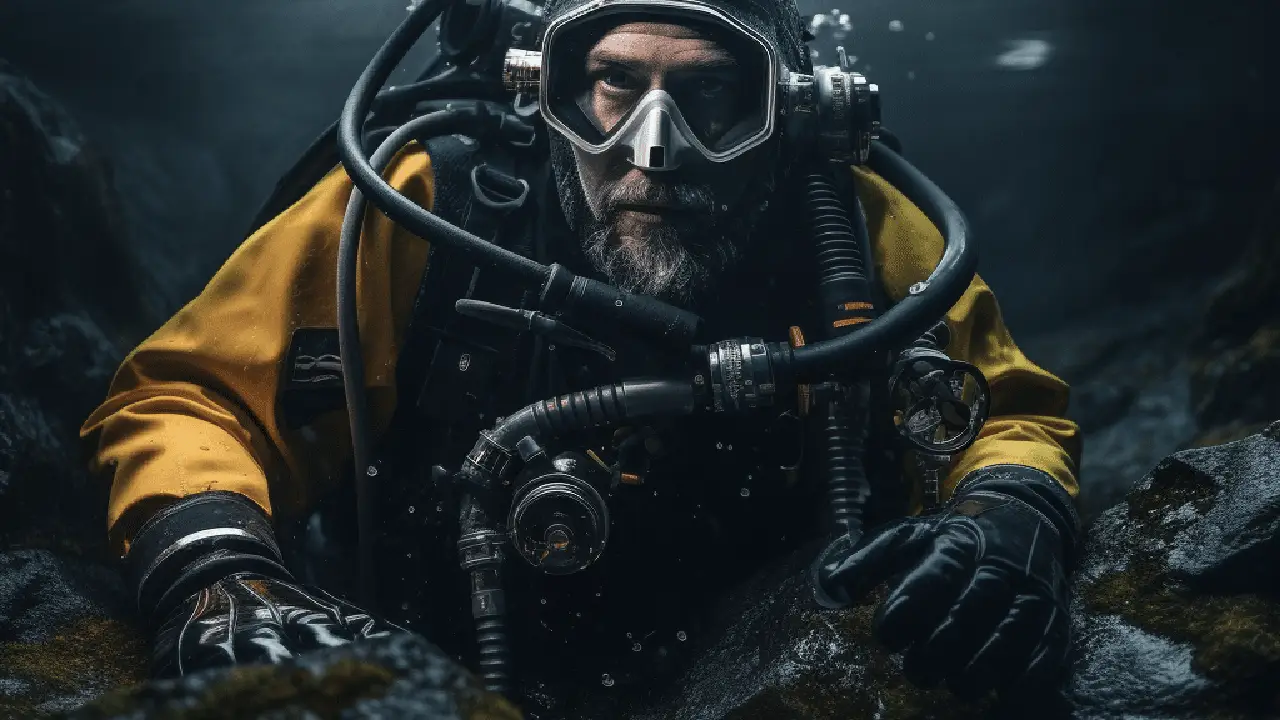
Understand the differences and unique experiences of diving in cold versus warm water environments. So, you're thinking about where to take your next dive trip, right? Maybe you've only ever dived in tropical paradises, or perhaps you're a seasoned cold-water pro looking for a change. Either way, diving in cold water versus warm water offers completely different experiences, challenges, and rewards. Let's dive deep into what makes each unique, what gear you'll need, and why you might prefer one over the other.
The Allure of Warm Water Diving Tropical Paradises and Vibrant Reefs
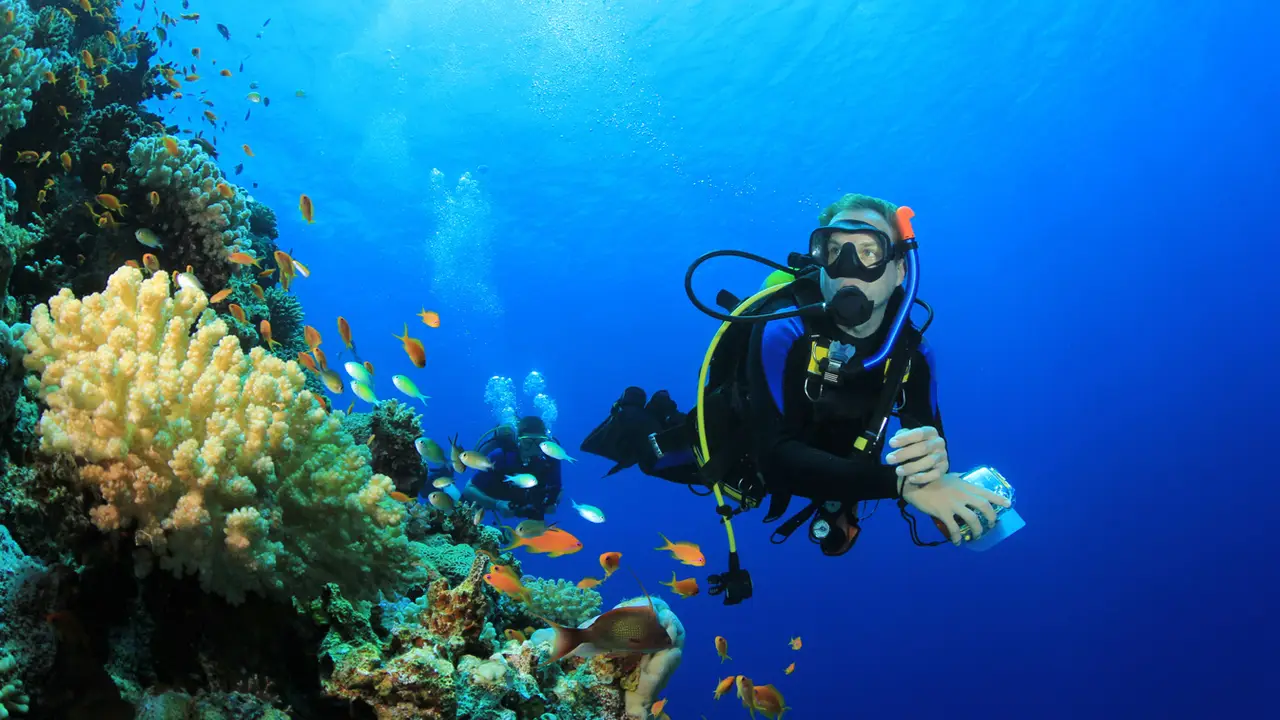
Warm water diving, often synonymous with tropical destinations, is what many people picture when they think of scuba. Think crystal-clear waters, vibrant coral reefs teeming with colorful fish, and comfortable temperatures that let you spend hours underwater without feeling a chill. It's often the entry point for new divers, and for good reason.Comfort and Accessibility Warm Water Diving Benefits
One of the biggest draws of warm water diving is the sheer comfort. Water temperatures typically range from 75°F (24°C) to 85°F (29°C), meaning you can often get away with just a 3mm wetsuit, or even a rash guard in some spots. This lighter gear means less bulk, easier movement, and often, less weight needed on your belt. It's also generally more accessible for beginners, as the conditions are often calmer, and the visibility can be incredible, sometimes exceeding 100 feet (30 meters).Marine Life and Ecosystems Warm Water Biodiversity
Warm water environments, especially coral reefs, are biodiversity hotspots. You'll encounter an astonishing array of marine life: clownfish darting through anemones, majestic manta rays gliding by, graceful sea turtles, and countless species of reef sharks. The colors are often breathtaking, from the vivid hues of soft corals to the intricate patterns of hard corals. Popular warm water destinations include the Maldives, the Caribbean (think Bonaire, Cozumel), Southeast Asia (Philippines, Indonesia, Thailand), and parts of Australia (Great Barrier Reef).Popular Warm Water Dive Gear Recommendations
For warm water, your gear setup can be relatively minimalist. Here are some popular choices:- Wetsuit: A 3mm full suit or a shorty is usually sufficient. For example, the Scubapro Everflex 3/2mm ($250-$350) is a popular choice for its flexibility and warmth. Another great option is the Aqua Lung Aquaflex 3mm ($200-$300), known for its comfort.
- BCD: A lightweight, travel-friendly BCD is ideal. The Cressi Travelight BCD ($400-$500) is a fantastic option, easily packable. The Mares Magellan BCD ($450-$550) is another excellent choice for its integrated weight system and compact design.
- Regulator: Any reliable regulator will do, but something like the Aqua Lung Titan ($400-$500) or the Mares Rover 15X ($350-$450) offers great performance without being overly complex or expensive.
- Fins: Open-heel fins with dive boots are common, but full-foot fins are also popular for their simplicity and comfort in warm water. The Scubapro Go Travel Fins ($80-$120) are excellent for travel, while the Mares Avanti Quattro Plus ($150-$200) offers powerful propulsion.
- Mask: A low-volume mask for good visibility. The Atomic Aquatics Frameless Mask ($100-$130) is a favorite for its wide field of view. The TUSA Freedom Elite Mask ($80-$110) is also highly regarded for its comfort and fit.
The Thrill of Cold Water Diving Exploring Unique Ecosystems
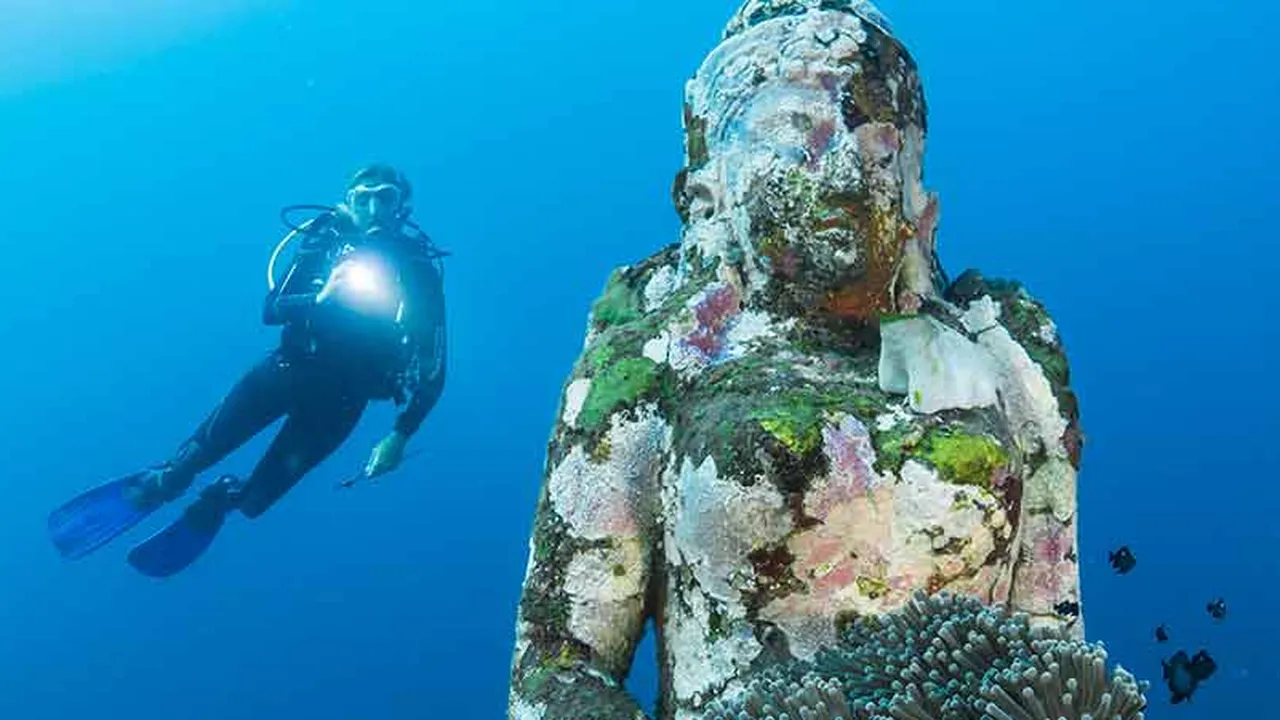
Cold water diving, on the other hand, offers a completely different kind of adventure. While it might sound less appealing at first, it opens up a world of unique marine life, dramatic landscapes, and often, incredible historical wrecks. Cold water typically means temperatures below 60°F (15°C), sometimes even dipping close to freezing.Challenges and Rewards Cold Water Diving Considerations
The primary challenge in cold water is, of course, the cold itself. This necessitates specialized thermal protection, usually a drysuit, which requires additional training. Buoyancy control becomes more complex with a drysuit, and managing more gear can be a learning curve. However, the rewards are immense. Cold water environments often boast stunning kelp forests, vibrant anemone walls, and unique creatures like giant Pacific octopuses, wolf eels, and various species of seals and sea lions. Visibility can also be surprisingly good, especially in areas with less sediment.Unique Marine Life and Landscapes Cold Water Wonders
Think about diving in places like British Columbia, Norway, the Pacific Northwest of the USA, or even parts of the UK. You'll find dramatic underwater topography, often with impressive rock formations and deep canyons. The marine life, while perhaps less colorful than tropical reefs, is often larger and more robust. You might encounter playful sea lions, curious seals, or even orcas in some regions. Wreck diving is also a huge draw in cold water, as the colder temperatures help preserve historical shipwrecks.Essential Cold Water Dive Gear Recommendations
Cold water diving requires a more robust and specialized gear setup. Here's what you'll typically need:- Drysuit: This is the most significant investment for cold water diving. Popular options include the Bare X-Mission Evolution Drysuit ($1,800-$2,500), known for its durability and flexibility, or the Scubapro Everdry 4 ($1,500-$2,200), which is a popular neoprene drysuit. You'll also need appropriate undersuits, like the Fourth Element Arctic Undersuit ($250-$350), to provide insulation.
- Thicker Wetsuit (if not drysuit): If you're not ready for a drysuit, a 7mm wetsuit, often with a hood and gloves, is the minimum. The Henderson Thermoprene Pro 7mm ($350-$450) is a good choice for maximum warmth in a wetsuit.
- BCD: A more robust BCD that can handle heavier tanks and potentially more weight. The Zeagle Stiletto BCD ($600-$700) is a popular choice for its durability and lift capacity. The Hollis HD200 BCD ($700-$800) is also highly regarded for its rugged construction.
- Regulator: A cold-water rated regulator is crucial to prevent free-flows. Look for models with environmental seals. The Aqua Lung Legend LX Supreme ($800-$1,000) is a top-tier cold-water regulator. The Scubapro MK25 EVO/S600 ($700-$900) is another excellent and reliable option.
- Fins: Stiffer, more powerful fins are often preferred to move through denser cold water and with more gear. The Scubapro Jet Fins ($150-$200) are a classic choice, known for their power. The Hollis F1 Fins ($200-$250) are also very popular among technical and cold-water divers.
- Hood and Gloves: Essential for thermal protection. A 5mm or 7mm hood and gloves are common. The Waterproof H1 5/7mm Hood ($60-$80) and Waterproof G1 5mm Gloves ($50-$70) are excellent for warmth.
- Dive Computer: A reliable dive computer with cold-water capabilities. The Shearwater Perdix AI ($1,200-$1,500) is a favorite among serious divers for its clear display and advanced features. The Garmin Descent Mk2i ($1,400-$1,700) offers comprehensive features including air integration and GPS.
:max_bytes(150000):strip_icc()/277019-baked-pork-chops-with-cream-of-mushroom-soup-DDMFS-beauty-4x3-BG-7505-5762b731cf30447d9cbbbbbf387beafa.jpg)