Top Underwater Photography Destinations for Beginners
Discover top courses and workshops to hone your skills in underwater imaging from professionals.
Discover top courses and workshops to hone your skills in underwater imaging from professionals.
Best Underwater Photography Courses and Workshops
So, you've got your underwater camera, maybe even a fancy strobe or two, and you're ready to capture those breathtaking moments beneath the waves. But let's be honest, underwater photography isn't just about pointing and shooting. It's an art, a science, and sometimes, a bit of a puzzle. That's where dedicated courses and workshops come in. They can transform your snapshots into stunning masterpieces, teach you the nuances of light and composition in a challenging environment, and help you avoid common pitfalls. Whether you're a complete beginner struggling with blurry shots or an experienced shooter looking to refine your technique, there's a program out there for you. Let's dive deep into some of the best options available, covering everything from online learning to immersive in-person experiences, and even some specific gear recommendations that might be discussed in these courses.
Why Invest in Underwater Photography Training? Mastering Light and Composition Underwater
You might be thinking, "Can't I just learn from YouTube?" While YouTube is a fantastic resource, structured courses offer a comprehensive, step-by-step approach that's hard to replicate with scattered videos. They provide personalized feedback, cover theoretical concepts in depth, and often include practical exercises. The underwater environment presents unique challenges: light behaves differently, colors disappear at depth, and subjects are constantly moving. A good course will teach you how to overcome these hurdles. You'll learn about the inverse square law and how it impacts your strobe placement, the importance of shooting upwards to capture ambient light, and how to compose dynamic shots with elusive marine life. Beyond the technical aspects, these courses often foster a community of like-minded individuals, allowing for peer learning and networking.
Online Underwater Photography Courses: Flexibility and Foundational Knowledge
Online courses are a great starting point, offering flexibility and often a more affordable entry point. They're perfect for learning the theoretical foundations before you even get wet. Many platforms offer self-paced modules, allowing you to learn at your own speed.
Udemy and Skillshare: Budget-Friendly Learning for Underwater Photography Basics
Platforms like Udemy and Skillshare host numerous courses on underwater photography. They vary in quality and depth, but you can often find excellent introductory courses for a reasonable price. Look for instructors with strong portfolios and positive reviews. These courses typically cover camera settings, basic lighting, and post-processing. They're ideal for understanding the fundamentals before investing in more advanced training.
Dedicated Online Platforms: Comprehensive Underwater Photography Education
Some professional underwater photographers and organizations offer their own online courses. These are often more specialized and in-depth, providing a curriculum tailored specifically to the unique challenges of underwater imaging.
Underwater Photography Guide (UPG) Online Courses: From Beginner to Advanced Techniques
The Underwater Photography Guide (UWPG) is a fantastic resource, and they offer a range of online courses. Their "Mastering Underwater Photography" course is highly regarded, covering everything from camera settings and strobe techniques to composition and post-processing. They often include downloadable resources and assignments. This course is suitable for photographers using compact cameras, mirrorless, or DSLRs. It's a great investment for anyone serious about improving their skills. They also have specific courses on macro photography, wide-angle, and even video.
PADI Digital Underwater Photographer Specialty: Certification and Practical Skills
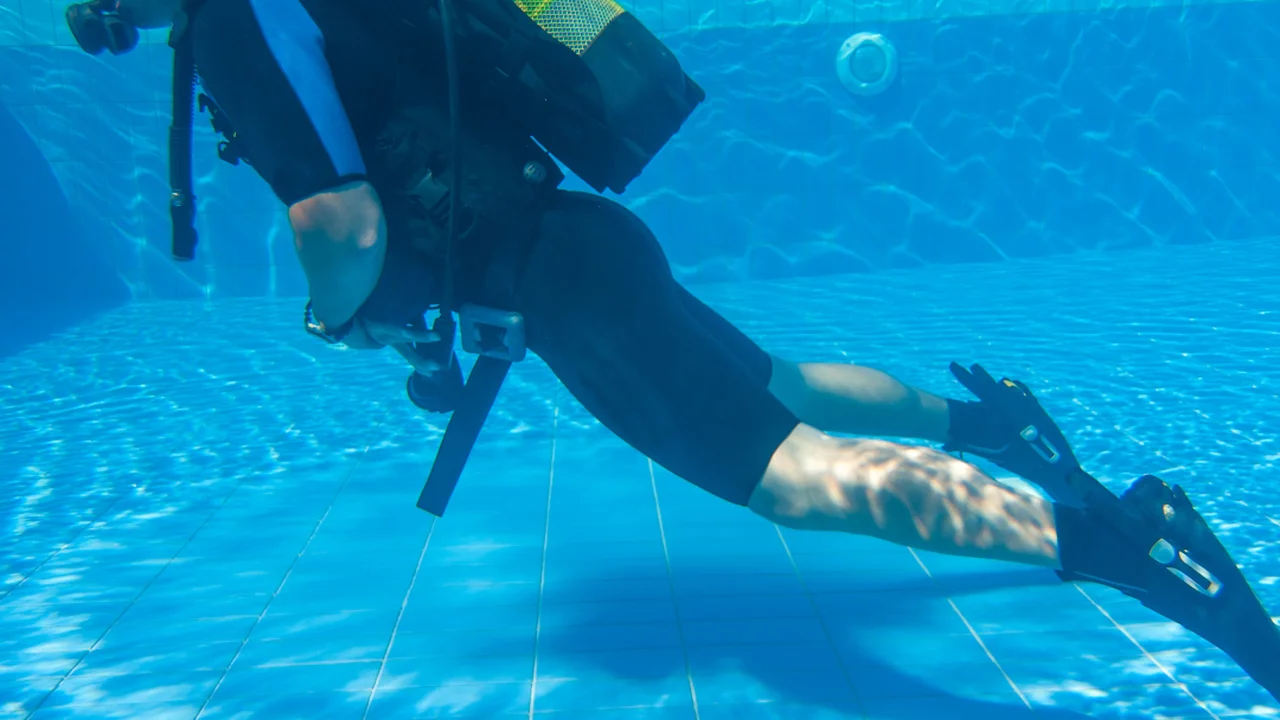
While not strictly an online course, the PADI Digital Underwater Photographer specialty course often has an online component for theory. This course is designed to introduce certified divers to the basics of underwater photography. It covers equipment selection, camera care, and fundamental shooting techniques. It's a great way to get a certification while learning practical skills. You'll typically complete two open water dives to apply what you've learned. This course is excellent for those who want a structured learning path with a recognized certification.
In-Person Underwater Photography Workshops: Immersive Learning and Hands-On Experience
For truly transformative learning, in-person workshops are unparalleled. They offer direct, hands-on instruction, immediate feedback, and the opportunity to shoot in incredible locations with expert guidance. These workshops often include daily dives, classroom sessions, and personalized critiques.
Dedicated Underwater Photography Workshops: Expert-Led Expeditions
Many professional underwater photographers lead workshops in prime diving destinations. These are often small group settings, ensuring plenty of one-on-one attention.
Alex Mustard Workshops: Masterclass in Underwater Imaging
Alex Mustard is one of the world's leading underwater photographers, and his workshops are highly sought after. He offers workshops in various locations, focusing on advanced techniques, creative lighting, and composition. These workshops are often geared towards experienced photographers looking to push their boundaries. Expect intensive classroom sessions, detailed critiques, and challenging shooting scenarios. His workshops are an investment, but the knowledge gained is invaluable.
Wetpixel Expeditions: Community and Cutting-Edge Techniques
Wetpixel, a prominent online community for underwater photographers, organizes expeditions led by top professionals. These trips combine incredible diving with dedicated photography instruction. They often focus on specific subjects or techniques, such as blackwater diving or super macro. The community aspect is a huge bonus, allowing you to learn from both instructors and fellow participants. These expeditions are perfect for those who want to combine a dive vacation with serious photographic development.
Local Dive Shop Workshops: Convenient and Community-Focused Learning
Don't overlook your local dive shop! Many offer weekend workshops or short courses on underwater photography. These are often more affordable and convenient, allowing you to learn in familiar waters. While they might not cover as much ground as a week-long expedition, they're excellent for getting started and building a local network of dive buddies who share your passion for photography.
Specialized Underwater Photography Workshops: Niche Skills and Advanced Topics
Once you've mastered the basics, you might want to explore more specialized areas of underwater photography.
Macro Photography Workshops: Capturing the Tiny Wonders
Macro photography is a world unto itself. Workshops dedicated to macro will teach you about diopters, snoots, focus stacking, and how to find and photograph the smallest critters. Locations like Anilao in the Philippines or Lembeh Strait in Indonesia are famous for their macro subjects and often host such workshops.
Wide-Angle Photography Workshops: Grand Landscapes and Big Animals
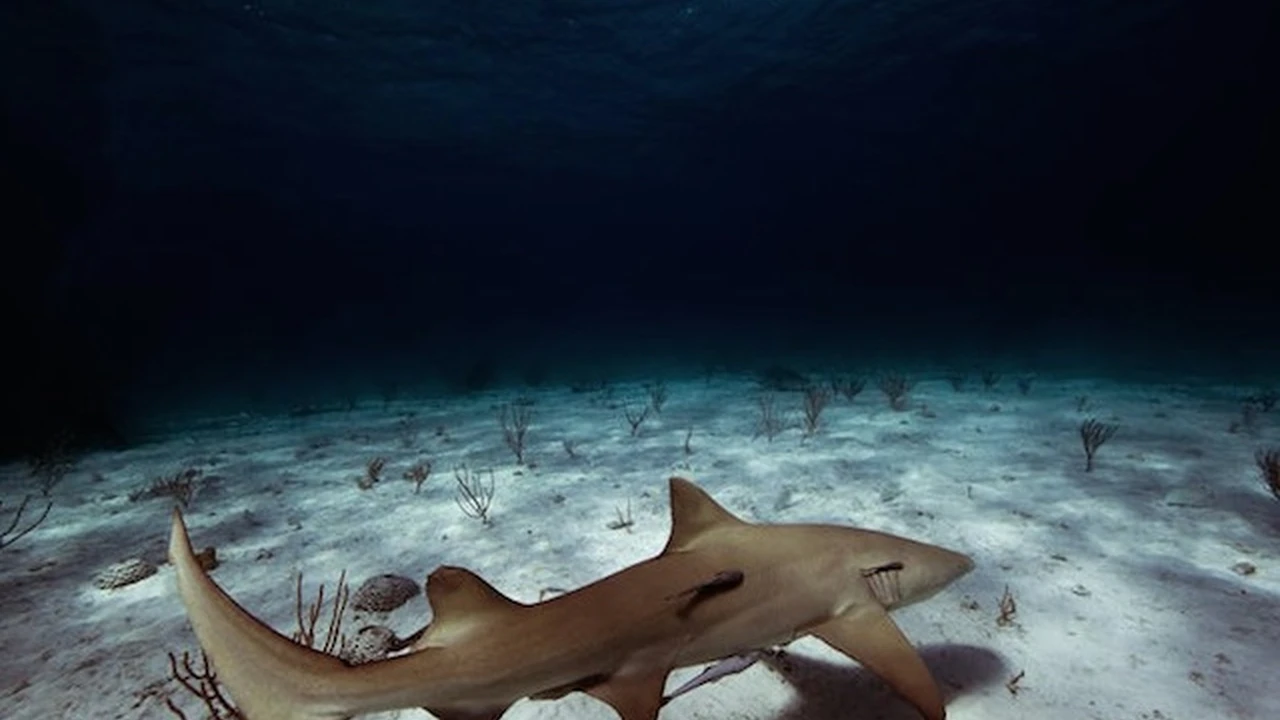
If you're drawn to capturing expansive reefscapes, shipwrecks, or large marine animals like sharks and manta rays, a wide-angle workshop is for you. These workshops focus on ambient light techniques, strobe positioning for wide shots, and composition for grand scenes. Destinations like Raja Ampat, Galapagos, or the Maldives are ideal for these types of workshops.
Blackwater Photography Workshops: The Night's Mysterious Creatures
Blackwater diving is a unique and challenging form of night diving where you drift in open water, photographing pelagic creatures that migrate to the surface at night. Workshops for blackwater photography are highly specialized, teaching you about specific lighting setups, camera settings for fast-moving subjects in darkness, and safety protocols for this unique dive. Locations like Anilao and Kona, Hawaii, are popular for blackwater workshops.
Gear Recommendations Often Discussed in Courses: Tools for Your Artistic Vision
While courses focus on technique, they often provide valuable insights into gear. Instructors will share their preferences, explain the pros and cons of different systems, and help you make informed purchasing decisions. Here are some common gear categories and specific products that might be recommended or discussed:
Compact Camera Systems: Entry-Level Excellence
For beginners, compact cameras offer a great balance of image quality and ease of use. They are often discussed as a starting point in many introductory courses.
Olympus TG-6 with PT-059 Housing: Durability and Macro Prowess
The Olympus TG-6 is a perennial favorite for underwater photography beginners. It's tough, waterproof to 50 feet (15m) on its own, and has an excellent macro mode. When paired with the Olympus PT-059 housing (around $300-400), it becomes a formidable underwater camera. Many courses recommend this setup due to its affordability, ease of use, and impressive image quality for its class. Its built-in microscope mode is fantastic for super macro, a technique often covered in workshops. The TG-6's price point (camera body around $450, housing extra) makes it accessible. It's often compared to other compacts like the Canon G7X Mark III, but the TG-6's ruggedness and macro capabilities often give it an edge for dedicated underwater use.
Mirrorless Camera Systems: The Sweet Spot for Enthusiasts
Mirrorless cameras offer a significant step up in image quality and control compared to compacts, without the bulk of a DSLR. They are frequently recommended for serious enthusiasts.
Sony Alpha a6700 with Nauticam NA-A6700 Housing: Advanced Features and Compact Size
The Sony Alpha a6700 (camera body around $1400) is a powerful APS-C mirrorless camera with excellent autofocus, high resolution, and strong video capabilities. When housed in a Nauticam NA-A6700 housing (around $3000-3500), it becomes a professional-grade underwater system. Nauticam housings are known for their robust build quality, ergonomic controls, and wide range of port options for various lenses. Courses often highlight this combination for its versatility, allowing for both stunning wide-angle and detailed macro shots. Compared to DSLR setups, it's more compact and lighter, making it easier for travel. The a6700's advanced features like real-time tracking autofocus are a huge advantage underwater, a topic often covered in advanced workshops.
Canon EOS R7 with Ikelite 200DL Housing: Speed and Image Quality
Another strong contender in the APS-C mirrorless space is the Canon EOS R7 (camera body around $1500). It boasts incredible speed, excellent image stabilization, and Canon's renowned color science. The Ikelite 200DL housing (around $1800-2000) for the R7 offers a more budget-friendly yet highly capable housing option. Ikelite housings are known for their clear back, allowing easy viewing of the camera's screen, and their robust construction. Workshops might compare the R7's autofocus performance to Sony's, discussing the nuances of each system for different shooting scenarios. The R7 is a great choice for those looking for a fast, reliable system for both stills and video.
DSLR Camera Systems: Professional Powerhouses (Still Relevant!)
While mirrorless cameras are gaining popularity, DSLRs still offer incredible image quality and a vast array of lenses. Many professional underwater photographers still use DSLRs, and they are often discussed in advanced workshops.
Nikon D850 with Aquatica AD850 Housing: High Resolution and Dynamic Range
The Nikon D850 (camera body around $2500-3000, though prices vary as it's an older model) is a full-frame DSLR renowned for its 45.7-megapixel sensor, incredible dynamic range, and robust build. Paired with an Aquatica AD850 housing (around $3500-4000), it's a top-tier professional system. Aquatica housings are known for their durability and excellent ergonomics. Workshops focusing on high-end photography will often feature discussions around such setups, emphasizing the benefits of full-frame sensors for low light and large prints. While heavier and bulkier than mirrorless, the D850's image quality is hard to beat, especially for wide-angle and ambient light photography.
Strobes and Video Lights: Essential for Color and Clarity
No matter your camera, external lighting is crucial for vibrant underwater photos and videos. Courses will extensively cover strobe and video light usage.
Sea&Sea YS-D3 DUO Strobe: Versatility and Power
The Sea&Sea YS-D3 DUO (around $800-900 per strobe) is a powerful and versatile strobe. It offers both optical and electrical triggering, making it compatible with a wide range of camera systems. Its wide beam angle and fast recycle time are highly valued. Many workshops will recommend a dual strobe setup for even lighting and creative effects. The YS-D3 DUO is often compared to the Inon Z-330, with instructors discussing the subtle differences in beam quality and power output.
Keldan Luna 8 LA-V Video Light: Professional-Grade Illumination
For video, a high-quality continuous light source is essential. The Keldan Luna 8 LA-V (around $1500-1800) is a professional-grade video light known for its high lumen output, wide beam, and excellent color rendering. Workshops focusing on underwater videography will often feature these types of lights, explaining how to use them for even illumination, backlighting, and creative effects. While expensive, the quality of light it produces is unmatched, making a significant difference in video quality.
Accessories: Enhancing Your Setup
Beyond the main components, various accessories can significantly improve your underwater photography.
Wet Lenses (Macro and Wide-Angle): Versatility on the Fly
Wet lenses, such as the Nauticam CMC-1/CMC-2 (Compact Macro Converter) (around $300-400) or the Nauticam WWL-1B (Wide Wet Lens) (around $1500-1800), are popular additions. These lenses can be attached and removed underwater, allowing you to switch between macro and wide-angle without changing ports. Workshops often demonstrate their use, showing how they can expand the capabilities of a compact or mirrorless system. They are particularly useful for photographers who want versatility without the bulk of multiple dry ports.
Snoots: Creative Lighting for Macro
A snoot, like the Retra LSD (Light Shaping Device) (around $300-400), allows you to precisely control the light from your strobe, creating dramatic spotlight effects on macro subjects. Advanced macro workshops will often delve into snoot techniques, teaching you how to isolate subjects and create stunning black backgrounds. It's a tool for creative expression and often leads to award-winning shots.
Choosing the Right Course or Workshop: Factors to Consider
With so many options, how do you choose? Consider these factors:
Your Current Skill Level: Beginner, Intermediate, or Advanced Underwater Photographer
Be honest about where you are. A beginner course will frustrate an advanced shooter, and an advanced workshop will overwhelm a novice. Look for courses that clearly state their target audience.
Your Camera System: Compatibility and Specific Instruction
Some workshops are brand-agnostic, while others might focus on specific camera systems (e.g., mirrorless vs. DSLR). Ensure the instructor is familiar with your gear or that the course content is broadly applicable.
Location and Logistics: Travel and Dive Conditions
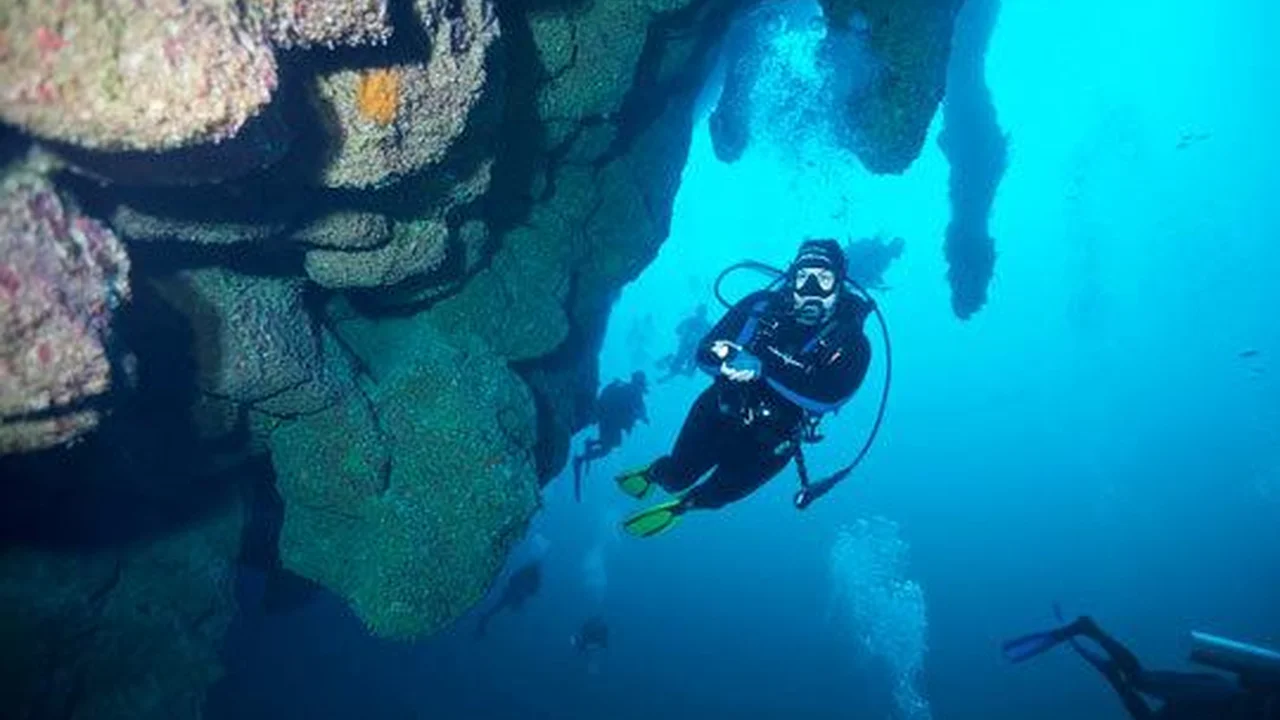
Workshops often take place in prime diving destinations. Consider the travel involved, the type of diving (e.g., muck diving, reef diving, cold water), and the logistics of getting your gear there. Some workshops are land-based, while others are liveaboards.
Instructor's Portfolio and Teaching Style: Learn from the Best
Research the instructor's work. Do you admire their style? Do they have a reputation for being good teachers? Some instructors are more hands-on, while others prefer a more theoretical approach. Read reviews and testimonials.
Cost and Inclusions: Value for Money
Workshops can range from a few hundred dollars for a weekend course to several thousand for a week-long expedition. Understand what's included: dives, accommodation, meals, classroom sessions, critiques, and any gear rentals. Compare the value offered.
Making the Most of Your Underwater Photography Training: Practice and Persistence
Attending a course or workshop is just the beginning. The real learning happens when you apply what you've learned. Practice regularly, review your images critically, and don't be afraid to experiment. Join online communities, share your work, and seek feedback. Underwater photography is a journey, and continuous learning is key to improvement. The more you dive and shoot, the more intuitive the process becomes. Remember, every dive is an opportunity to capture something unique, and with the right training, you'll be better equipped to seize those moments.
So, whether you choose an online course to build your foundational knowledge or an immersive workshop in a dream destination, investing in your underwater photography education will undoubtedly elevate your skills and allow you to tell more compelling stories from beneath the surface. Happy shooting!
:max_bytes(150000):strip_icc()/277019-baked-pork-chops-with-cream-of-mushroom-soup-DDMFS-beauty-4x3-BG-7505-5762b731cf30447d9cbbbbbf387beafa.jpg)