Scuba Diving Medical Requirements Are You Fit to Dive
Understand the medical conditions and health considerations for safe participation in scuba diving.
Understand the medical conditions and health considerations for safe participation in scuba diving.
Scuba Diving Medical Requirements Are You Fit to Dive
Hey there, fellow water enthusiasts! So, you're thinking about diving into the amazing world of scuba, or maybe you're an experienced diver looking to stay safe. Either way, one of the most crucial aspects of scuba diving, often overlooked or underestimated, is your physical and mental fitness. It's not just about being able to swim; it's about how your body reacts to pressure changes, cold, and exertion underwater. This isn't meant to scare you off, but rather to equip you with the knowledge to make informed decisions about your health and diving. Let's dive deep into what it truly means to be 'fit to dive'.
Why Medical Fitness Matters for Scuba Diving Your Body Underwater
Scuba diving, while incredibly rewarding, places unique physiological demands on your body. Unlike being on land, you're operating in a high-pressure environment, breathing compressed air, and often dealing with cooler temperatures. These factors can exacerbate pre-existing medical conditions or even create new issues if your body isn't prepared. Think about it: your ears, sinuses, lungs, and circulatory system are all directly affected by changes in pressure. A minor cold on land can become a painful and dangerous sinus squeeze underwater. An undiagnosed heart condition could lead to serious complications. That's why understanding the medical requirements isn't just a formality; it's a fundamental part of safe diving.
Common Medical Conditions and Scuba Diving Risks What to Watch Out For
Let's talk about some of the more common medical conditions that can pose risks for divers. This isn't an exhaustive list, but it covers many of the big ones. Always remember, if you have any doubts or pre-existing conditions, a consultation with a dive medical specialist is non-negotiable.
Respiratory System Conditions Asthma and Lung Health for Divers
Your lungs are your lifeline underwater, so their health is paramount. Conditions like asthma, chronic bronchitis, or even a history of collapsed lung (pneumothorax) can be problematic. For asthmatics, the concern is that cold, dry compressed air, or even exertion, could trigger an asthma attack underwater, leading to panic, uncontrolled ascent, or even lung overexpansion injuries. While some mild, well-controlled asthmatics might be cleared to dive after extensive testing, it's a serious consideration. Any history of lung surgery or significant lung disease also warrants a thorough medical evaluation.
Cardiovascular Health and Scuba Diving Heart Conditions and Circulation
Your heart and circulatory system work overtime underwater. Conditions such as coronary artery disease, high blood pressure, or certain heart rhythm abnormalities can increase the risk of a cardiac event during a dive. The exertion of swimming, the cold, and the increased pressure can all put strain on the heart. For example, a Patent Foramen Ovale (PFO), a small opening between the atria of the heart that didn't close properly after birth, can be a concern as it might allow nitrogen bubbles to bypass the lungs and enter arterial circulation, potentially leading to decompression sickness (DCS). If you have any history of heart problems, chest pain, or high blood pressure, you absolutely need a medical clearance.
Ear Nose and Throat ENT Issues and Pressure Equalization
This is a big one for divers! Your ears and sinuses need to equalize pressure as you descend and ascend. Conditions like chronic sinusitis, perforated eardrums, or even severe allergies can make equalization difficult or impossible, leading to painful ear or sinus barotrauma. If you've had ear surgery, especially involving implants, or suffer from frequent ear infections, you'll need a medical assessment. Even a common cold can temporarily make you unfit to dive because of blocked sinuses.
Neurological Conditions and Scuba Diving Brain and Nerve Health
Conditions affecting the brain and nervous system, such as epilepsy, seizures, or a history of stroke, are generally considered contraindications for diving. The risk of a seizure underwater, for instance, is incredibly dangerous, potentially leading to drowning or uncontrolled ascent. Migraines, especially those with aura, also need careful consideration. Any history of head injury with loss of consciousness should also be discussed with a dive doctor.
Diabetes and Scuba Diving Blood Sugar Management Underwater
Managing diabetes while diving requires careful planning and strict control. The concern is hypoglycemia (low blood sugar) underwater, which can impair judgment and lead to dangerous situations. Divers with diabetes need to demonstrate excellent blood sugar control, understand how to manage their condition during a dive, and often require specific medical clearance and monitoring. Some dive organizations have specific guidelines for diabetic divers.
Mental Health and Scuba Diving Anxiety and Panic Prevention
Scuba diving requires a calm and rational mind. Conditions like severe anxiety, panic disorders, or claustrophobia can be significant risks. A panic attack underwater can lead to rapid ascent, holding breath, and serious injuries like lung overexpansion or DCS. If you're prone to panic or severe anxiety, it's crucial to address these issues before considering diving. Sometimes, a psychological evaluation might be recommended.
Other Conditions and Medications What Else to Consider
This category is broad, but important. Conditions like obesity (which can affect nitrogen absorption and off-gassing), certain skin conditions (especially those affected by wetsuits or salt water), and even some medications can impact your fitness to dive. For example, certain decongestants can wear off underwater, leading to reverse block. Always disclose all medications you are taking to your dive doctor. Pregnancy is also a contraindication for diving due to potential risks to the fetus.
The Dive Medical Form Your First Step to Being Fit to Dive
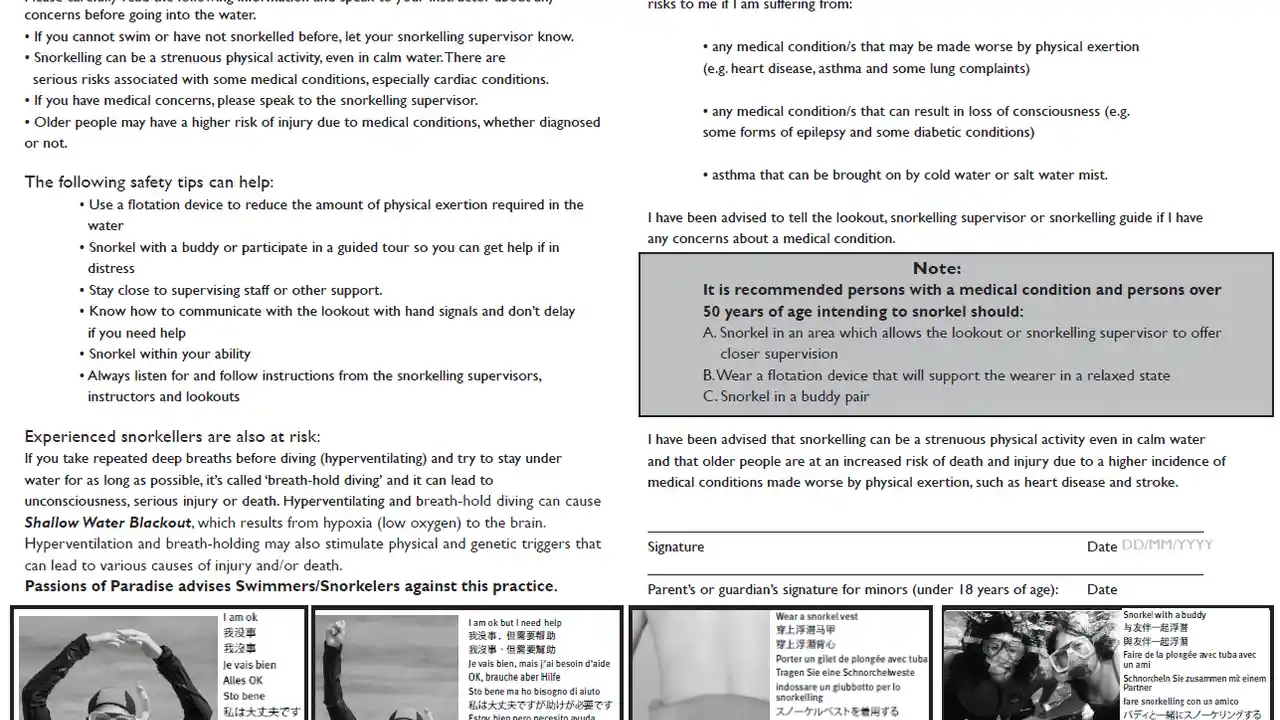
Before you even get near a dive boat, you'll likely fill out a medical questionnaire. This form, often provided by your dive center or instructor, is designed to flag potential issues. It's absolutely crucial to answer these questions honestly and thoroughly. Don't try to hide anything! If you answer 'yes' to any of the questions, it doesn't necessarily mean you can't dive, but it does mean you'll need a medical clearance from a physician, preferably one with experience in dive medicine.
Getting a Dive Medical Examination What to Expect
If your medical questionnaire flags something, or if you're just being extra cautious (which is always a good idea!), you'll need a dive medical examination. This isn't your standard annual physical. A dive medical doctor understands the unique physiological stresses of diving. They'll typically perform a thorough physical exam, focusing on your respiratory, cardiovascular, and ENT systems. They might also ask about your medical history, medications, and any previous diving experience. Depending on your answers, they might order additional tests, such as lung function tests (spirometry), an EKG, or even a stress test. The goal is to ensure your body can safely handle the underwater environment.
Staying Fit to Dive Beyond the Initial Check-Up Ongoing Health for Divers
Being fit to dive isn't a one-time thing. It's an ongoing commitment. Even if you've been cleared, it's important to maintain a healthy lifestyle. Regular exercise, a balanced diet, and avoiding excessive alcohol or smoking all contribute to your overall fitness. If you develop a new medical condition, start new medications, or experience any significant health changes, it's always wise to consult with a dive medical professional before your next dive. Don't just assume you're still good to go.
Specific Product Recommendations for Dive Health and Safety
While medical fitness is primarily about your body, certain products can aid in maintaining comfort and safety, especially for minor issues or preventative measures. Remember, these are not substitutes for medical advice or clearance!
Ear Equalization Aids and Preventative Care
Product: Earol Swim Ear Spray
- Description: This is an olive oil-based spray designed to create a protective, water-repellent layer in the ear canal. It helps prevent water from getting trapped, which can lead to ear infections (swimmer's ear).
- Use Case: Great for divers prone to outer ear infections or those who spend a lot of time in the water. Apply a few drops before and after diving.
- Comparison: Less invasive than earplugs (which are generally not recommended for diving due to equalization issues) and provides a natural barrier.
- Price: Around $10-$15 USD.
Product: Doc's Proplugs Vented Earplugs
- Description: These are specialized vented earplugs designed to protect the ears while allowing for pressure equalization. They have a small vent that slows down the pressure change, making equalization easier for some.
- Use Case: For divers who struggle with equalization or have sensitive ears. They can help prevent barotrauma by slowing the pressure changes.
- Comparison: Unlike regular earplugs, these are specifically designed for diving. They come in various sizes for a custom fit.
- Price: Around $15-$25 USD.
Hydration Solutions for Divers
Product: Nuun Sport Electrolyte Tablets
- Description: These effervescent tablets dissolve in water to create an electrolyte-rich drink. They help replenish essential minerals lost through sweating and can aid in preventing dehydration, which is a risk factor for DCS.
- Use Case: Before, during (on the boat), and after dives to maintain hydration, especially in warm climates.
- Comparison: More convenient and less sugary than many sports drinks. Easy to pack and use.
- Price: Around $7-$10 USD for a tube of 10-12 tablets.
First Aid and Emergency Preparedness
Product: DAN (Divers Alert Network) Oxygen Unit
- Description: While not for personal purchase by every diver, understanding the importance of and access to emergency oxygen is crucial. DAN offers various portable oxygen units designed for dive emergencies like DCS.
- Use Case: Essential for dive operations, liveaboards, and remote dive sites. Administered by trained personnel in suspected cases of DCS or other dive-related injuries.
- Comparison: Specialized medical equipment, not a consumer product. Its presence on a dive boat is a sign of a responsible operation.
- Price: Varies widely, but typically $500-$1500+ for a complete portable unit.
Product: Waterproof First Aid Kit (e.g., Adventure Medical Kits Marine 300)
- Description: A compact, waterproof first aid kit specifically designed for marine environments. Contains supplies for common injuries like cuts, scrapes, stings, and minor sprains.
- Use Case: Every dive boat or personal dive bag should have one. For treating minor injuries that can occur on or near the water.
- Comparison: Superior to standard first aid kits due to its waterproof casing and inclusion of marine-specific treatments (e.g., for stings).
- Price: Around $50-$100 USD depending on size and contents.
General Wellness and Recovery
Product: Compression Socks (e.g., CEP Compression Socks)
- Description: While not directly dive gear, compression socks can aid circulation and reduce swelling, especially after long flights to dive destinations or during surface intervals. Some divers believe they can help with post-dive fatigue.
- Use Case: Wearing during travel to and from dive sites, or during long surface intervals.
- Comparison: Many brands available, look for graduated compression for optimal benefits.
- Price: Around $20-$60 USD per pair.
Product: Sunscreen (Reef-Safe)
- Description: Protecting your skin from the sun is vital, especially when spending hours on a dive boat. Reef-safe sunscreens avoid chemicals like oxybenzone and octinoxate, which are harmful to coral reefs.
- Use Case: Apply generously before and during dive trips to prevent sunburn.
- Comparison: Crucial to choose reef-safe options to protect the marine environment you're enjoying. Brands like Stream2Sea or Raw Elements are popular.
- Price: Around $15-$25 USD per bottle.
Final Thoughts on Being Fit to Dive Your Responsibility
Ultimately, your fitness to dive is your responsibility. While dive operators and instructors do their best to screen divers, they aren't doctors. Being honest about your health, seeking professional medical advice when needed, and maintaining a healthy lifestyle are all part of being a responsible and safe diver. The underwater world is incredible, and by ensuring you're medically fit, you can enjoy it for many years to come, minimizing risks and maximizing the fun. So, take care of yourself, and happy bubbles!
:max_bytes(150000):strip_icc()/277019-baked-pork-chops-with-cream-of-mushroom-soup-DDMFS-beauty-4x3-BG-7505-5762b731cf30447d9cbbbbbf387beafa.jpg)