Scuba Diving and Underwater Lighting Techniques
Master artificial lighting techniques using strobes and video lights for dramatic underwater shots.
Master artificial lighting techniques using strobes and video lights for dramatic underwater shots.
Scuba Diving and Underwater Lighting Techniques
Understanding Underwater Lighting Challenges
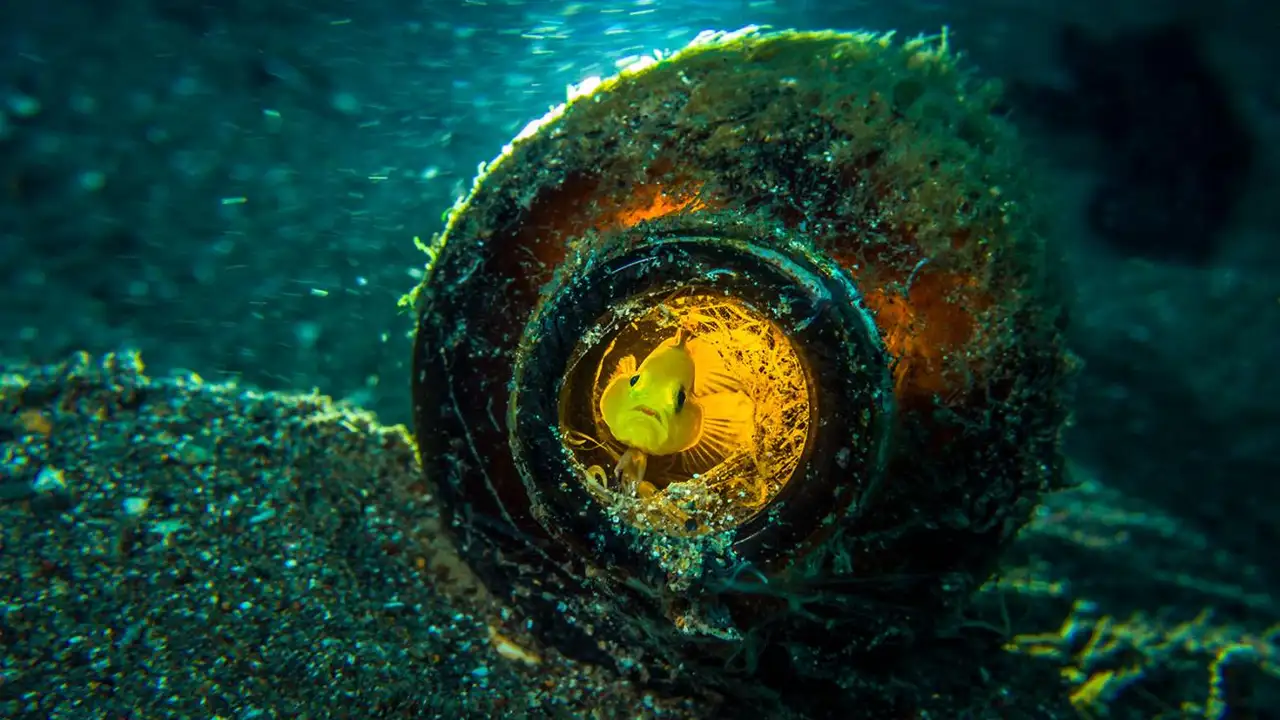
Diving into the world of underwater photography is like stepping into a different dimension, and one of the biggest challenges you'll face is light. Water, especially as you go deeper, acts like a giant filter, absorbing colors and reducing visibility. Red is the first color to disappear, followed by orange, yellow, and green, leaving everything with a blue-green cast. This is why your vibrant reef photos often come out looking monochromatic and dull without proper lighting. Natural light diminishes rapidly with depth, making artificial light sources not just an option, but a necessity for capturing true colors and details.
The Power of Underwater Strobes for Photography
Underwater strobes are essentially waterproof flashes designed to bring back the lost colors and illuminate your subjects. They are crucial for still photography, providing a burst of light that freezes motion and reveals the true vibrancy of the underwater world. Think of them as your sun, but portable and controllable.
Key Features to Look for in Underwater Strobes
- Guide Number (GN): This indicates the power of the strobe. A higher GN means more light output, which is useful for illuminating larger subjects or shooting in darker conditions.
- Beam Angle: This refers to how wide the light spreads. A wider beam angle (e.g., 100-120 degrees) is great for wide-angle shots, while a narrower beam might be better for macro.
- Recycle Time: How quickly the strobe recharges between flashes. Faster recycle times are essential for capturing action sequences.
- Battery Life: You don't want your strobe dying mid-dive. Look for models with good battery endurance.
- Connectivity: Most strobes connect to your camera housing via fiber optic cables (for optical triggering) or electrical sync cords (for electrical triggering). Optical is generally simpler and more common for compact and mirrorless setups.
- Build Quality and Depth Rating: Ensure the strobe is robust and rated for the depths you plan to dive.
Recommended Underwater Strobes for Different Budgets and Needs
Entry-Level Strobes for Beginners
If you're just starting out, you don't need to break the bank. These strobes offer a great balance of performance and affordability.
- Sea & Sea YS-03 Solis: This is a fantastic entry-level strobe. It's compact, easy to use, and offers a good guide number for its price. It's optically triggered, making it compatible with most compact camera housings. It has a wide beam angle of 100 degrees and a quick recycle time of 1.7 seconds. Expect to pay around $350-$400. It's perfect for illuminating macro subjects and bringing back color in wide-angle shots with compact cameras.
- Inon S-2000: A slightly more advanced entry-level option, the Inon S-2000 is known for its reliability and compact size. It offers a circular beam angle of 100 degrees and a fast recycle time of 1.5 seconds. It's also optically triggered. Price point is typically $450-$500. This strobe is a workhorse for both macro and wide-angle, especially when paired with a good diffuser.
Mid-Range Strobes for Enthusiasts
For those looking to upgrade or who are serious about their underwater photography, these strobes offer more power and features.
- Sea & Sea YS-D3 DUO: This is a very popular and versatile strobe. It boasts a powerful guide number, a wide 105-degree beam angle, and incredibly fast recycle times (0.8 seconds at full power). It supports both optical and electrical triggering. The YS-D3 DUO also features a target light, which helps with focusing in low light. Price is around $700-$800. This strobe is excellent for all types of underwater photography, from fast-moving subjects to large reef scenes.
- Retra Flash Prime X: Retra strobes are known for their exceptional build quality and powerful output. The Prime X offers a circular beam angle of 130 degrees and a very fast recycle time. It's a robust and reliable choice for serious photographers. Expect to pay around $900-$1000. Its wide beam and consistent output make it ideal for wide-angle photography and capturing large marine animals.
High-End Strobes for Professionals
If you demand the absolute best in performance and reliability, these strobes are for you.
- Ikelite DS161: Ikelite strobes are renowned for their power and durability. The DS161 offers a massive guide number, a wide 100-degree beam angle, and a fast recycle time. It's primarily an electrical strobe, making it a favorite among DSLR and mirrorless users with compatible housings. It also features a powerful video light. Price is typically $1,200-$1,400. This strobe is a powerhouse for professional wide-angle and macro photography, especially in challenging lighting conditions.
- Nauticam NA-250: Nauticam is synonymous with high-end underwater gear, and their strobes are no exception. The NA-250 is a powerful and feature-rich strobe designed for professional use. It offers excellent light quality and a wide beam. Price is usually above $1,500. This strobe is for those who need uncompromising performance and integration with high-end camera systems.
Illuminating with Underwater Video Lights
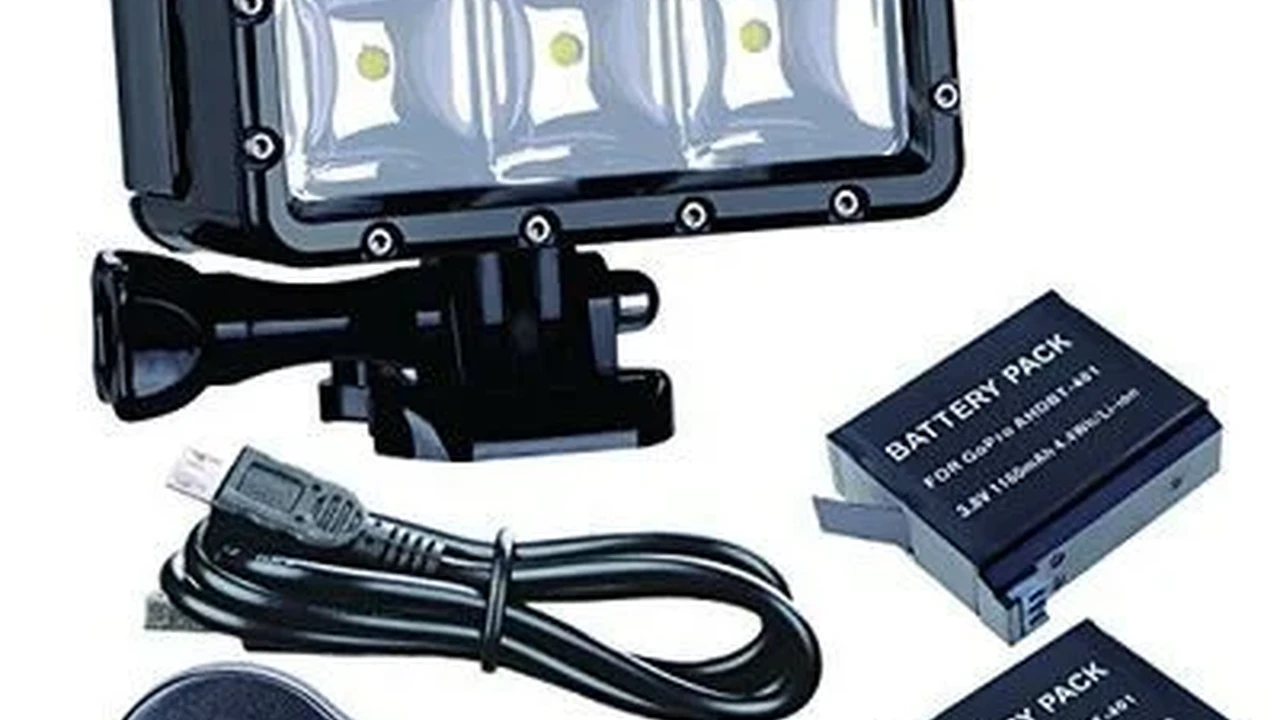
While strobes are for still photography, video lights (also known as continuous lights) are essential for videography. They provide a constant source of light, allowing you to capture smooth, well-exposed footage and bring out the vibrant colors of the underwater world. They can also be used for still photography, especially for macro, but they won't freeze motion like a strobe.
Key Features to Consider for Video Lights
- Lumen Output: This measures the brightness of the light. Higher lumens mean a brighter light, which is crucial for deeper dives or illuminating larger areas.
- Beam Angle: Similar to strobes, a wider beam angle is generally preferred for video to ensure even illumination.
- Color Temperature (Kelvin): This indicates the warmth or coolness of the light. Lights around 5000K-6000K are considered daylight balanced and are good for natural-looking colors.
- CRI (Color Rendering Index): A higher CRI (90+) means the light will render colors more accurately.
- Battery Life: Video lights consume more power than strobes, so good battery life is paramount.
- Mounting Options: Ensure the light can be easily mounted to your camera tray and arms.
- Red Light/UV Light Modes: Some lights offer these for specific purposes like night diving or fluorescent photography.
Recommended Underwater Video Lights for Various Applications
Compact and Travel-Friendly Video Lights
Great for casual videographers or as a secondary light source.
- Kraken Sports Hydra 2500: This compact light offers 2500 lumens with a wide 100-degree beam. It's versatile, featuring white, red, and UV modes. It's also relatively affordable, around $300-$350. This light is excellent for compact camera setups and for adding a pop of color to your video clips.
- Light & Motion Sola Video 2500: Known for their reliability and compact design, Sola lights are popular. The Video 2500 offers 2500 lumens with a 60-degree beam (expandable with diffusers). It's easy to use with magnetic switches. Price is typically $400-$450. Its small footprint makes it ideal for travel and quick setup.
Mid-Range Video Lights for Serious Videographers
These lights offer more power and advanced features for better quality footage.
- Bigblue VL4200P: Bigblue lights offer great value for their lumen output. The VL4200P provides 4200 lumens with a wide 120-degree beam. It has multiple power settings and a long burn time. Expect to pay around $500-$600. This light is a solid choice for illuminating larger scenes and ensuring consistent brightness throughout your dive.
- Keldan Luna 4: Keldan lights are high-quality and offer excellent color rendition. The Luna 4 provides 6000 lumens with a 110-degree beam and a high CRI. It's a more premium option, typically priced around $1,000-$1,200. This light is for those who prioritize color accuracy and powerful, even illumination.
Professional Video Lights for High-End Productions
For those producing professional-grade underwater videos, these lights deliver uncompromising performance.
- Gates GT14: Gates is a top-tier brand for underwater video housings and lights. The GT14 offers a massive 14,000 lumens with a wide, even beam. It's designed for professional use and integrates seamlessly with Gates housings. Price is typically $2,500-$3,000 per light. These lights are for large-scale productions where maximum illumination and consistent quality are paramount.
- Light & Motion Sola Video Pro 9600: This light offers 9600 lumens with a 90-degree beam and a high CRI. It's a powerful and reliable choice for professional videographers, known for its robust build and intuitive controls. Price is around $1,500-$1,800. It's a versatile light that can handle a wide range of underwater video scenarios.
Mastering Strobe and Video Light Placement
The placement of your strobes or video lights is just as important as the lights themselves. Incorrect placement can lead to backscatter, harsh shadows, or uneven illumination.
Avoiding Backscatter with Proper Lighting Angles
Backscatter refers to the illuminated particles (like plankton or sediment) in the water that appear as distracting white dots in your photos or videos. It's a common issue in underwater photography, but proper light placement can significantly reduce it.
- Strobes for Still Photography: For wide-angle shots, position your strobes slightly behind and to the side of your camera, pointing outwards. This creates a triangle with your subject, camera, and strobes, ensuring the light hits the subject directly but avoids illuminating the particles between your lens and the subject. For macro, bring your strobes closer to the subject and angle them slightly inwards, again trying to avoid direct illumination of the water column in front of your lens.
- Video Lights for Videography: Similar principles apply. Position your video lights on arms extended out from your housing, angled slightly away from the camera's direct line of sight. Experiment with different angles to find what works best for the specific conditions and subject.
Achieving Even Illumination and Dramatic Effects
- Even Lighting: For a well-lit, natural look, especially in wide-angle scenes, use two strobes or video lights positioned symmetrically. This helps to fill in shadows and provide consistent illumination across the frame.
- Side Lighting: Positioning a single strobe or video light to one side of your subject can create dramatic shadows and highlight textures, adding depth and dimension to your image. This is particularly effective for showcasing the contours of a reef or the scales of a fish.
- Backlighting: While challenging, backlighting (positioning a strobe behind your subject) can create stunning silhouettes or rim lighting effects, separating your subject from the background. This often requires careful exposure control and can be very artistic.
- Snoots and Diffusers: For macro photography, snoots (devices that narrow the beam of light) can be used to precisely illuminate small subjects, creating a black background and making the subject pop. Diffusers, on the other hand, soften the light, reducing harsh shadows and creating a more even, flattering illumination.
Integrating Natural Light with Artificial Lighting
The best underwater photos and videos often combine natural ambient light with artificial light. This technique, known as ambient light exposure, allows you to capture the overall mood of the scene while using your strobes or video lights to bring out the colors and details of your foreground subject.
Balancing Ambient Light and Strobe/Video Light
- For Stills: Start by setting your camera's exposure (ISO, aperture, shutter speed) to properly expose the background (ambient light). Then, adjust your strobe power to correctly expose your foreground subject. This ensures that both the background and foreground are well-exposed, creating a balanced and visually appealing image.
- For Video: Adjust your camera's white balance and exposure settings to get a good base exposure for the ambient light. Then, use your video lights to illuminate your subject, ensuring they are bright enough to bring out colors without overexposing.
Creative Uses of Mixed Lighting
- Sunbursts: By positioning your camera to capture the sun in the background and using strobes to light your foreground subject, you can create stunning sunburst effects while still having a well-exposed subject.
- Silhouettes with Detail: You can intentionally underexpose the ambient light to create a silhouette of your subject, then use a subtle amount of strobe light to reveal just enough detail to make it interesting.
- Night Diving: At night, artificial lights become your primary light source. This is where powerful video lights and strobes truly shine, allowing you to reveal the vibrant nocturnal world that is otherwise hidden in darkness.
Maintenance and Care for Your Lighting Gear
Underwater lighting equipment is an investment, and proper maintenance is crucial for its longevity and performance.
Essential Maintenance Tips for Strobes and Video Lights
- Rinse Thoroughly: After every dive, rinse your strobes and video lights thoroughly in fresh water. Pay special attention to buttons, seals, and battery compartments.
- Inspect O-Rings: Before every dive, remove and inspect the O-rings for any dirt, hair, or damage. Clean them with a soft cloth and apply a thin layer of silicone grease. Never over-grease.
- Charge Batteries Properly: Follow the manufacturer's instructions for charging and storing batteries. Avoid overcharging or completely draining them.
- Store Safely: Store your lights in a cool, dry place, away from direct sunlight. Consider removing batteries for long-term storage.
- Check for Corrosion: Regularly inspect electrical contacts and connectors for any signs of corrosion. Clean them gently if necessary.
- Professional Servicing: Consider professional servicing every few years, especially if you dive frequently, to ensure all seals and components are in top condition.
By understanding the principles of underwater lighting and investing in the right equipment, you can dramatically improve your underwater photos and videos, capturing the true beauty and vibrancy of the marine world. It's a journey of continuous learning and experimentation, but the results are incredibly rewarding.
:max_bytes(150000):strip_icc()/277019-baked-pork-chops-with-cream-of-mushroom-soup-DDMFS-beauty-4x3-BG-7505-5762b731cf30447d9cbbbbbf387beafa.jpg)