Scuba Diving and Marine Conservation Efforts
Learn about global initiatives and how divers can contribute to marine conservation.
Learn about global initiatives and how divers can contribute to marine conservation.
Scuba Diving and Marine Conservation Efforts
Understanding Marine Conservation Importance for Divers
Hey fellow divers! We all love exploring the underwater world, right? The vibrant coral reefs, the majestic marine life, the sheer tranquility of being submerged – it's truly a privilege. But with that privilege comes a responsibility: protecting what we love. Marine conservation isn't just a buzzword; it's crucial for the future of our oceans and, by extension, our diving experiences. Think about it: if the reefs die, if the fish disappear, what's left to explore? As divers, we're often the first to witness the beauty and the fragility of marine ecosystems. We see the plastic pollution, the coral bleaching, the overfishing. This unique perspective puts us in a powerful position to advocate for and participate in conservation efforts. Our passion for diving can be a powerful force for good, transforming us from mere observers into active guardians of the ocean.
The health of our oceans directly impacts global climate, food security, and even the air we breathe. Marine ecosystems produce a significant portion of the world's oxygen, absorb carbon dioxide, and regulate global temperatures. When these systems are degraded, the ripple effects are felt far beyond the coastline. For divers, a healthy ocean means thriving dive sites, incredible encounters, and a sustainable future for our beloved sport. It's about ensuring that future generations can experience the same awe and wonder that we do today. So, let's dive deeper into how we, as a diving community, can make a real difference.
Global Marine Conservation Initiatives and Their Impact
There are countless organizations and initiatives working tirelessly to protect our oceans. Understanding some of these global efforts can help us identify where our contributions can have the most impact. Organizations like the World Wildlife Fund (WWF), Conservation International, and the Coral Reef Alliance are at the forefront of large-scale conservation projects. They work on everything from establishing Marine Protected Areas (MPAs) to combating illegal fishing and promoting sustainable tourism.
Marine Protected Areas (MPAs) are like national parks for the ocean. They are designated zones where human activities are restricted to protect marine life and habitats. These areas allow fish populations to recover, coral reefs to flourish, and biodiversity to thrive. Many of our favorite dive spots are within or adjacent to MPAs, and their success relies on proper management and enforcement. Supporting organizations that advocate for and manage MPAs is a direct way to contribute to the health of dive sites worldwide.
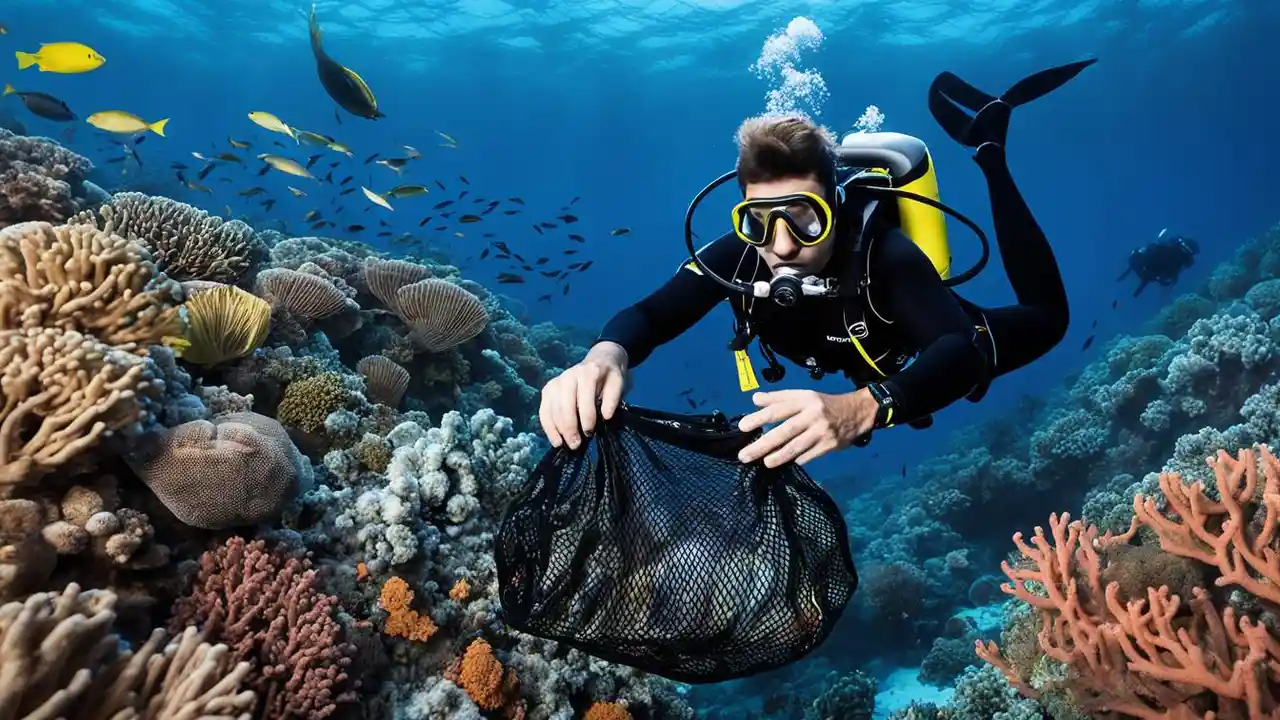
Another critical area is combating plastic pollution. The sheer volume of plastic entering our oceans is staggering, harming marine life and ecosystems. Initiatives like the Ocean Cleanup and various local beach and underwater cleanup drives are making a dent, but it requires a collective effort. Many dive centers now organize regular cleanup dives, offering divers a direct way to remove debris from the ocean floor. Participating in these events, or even just picking up trash you see on a dive, makes a difference.
Sustainable fishing practices are also vital. Overfishing depletes fish stocks and disrupts marine food webs. Organizations work with governments and fishing communities to promote sustainable methods, reduce bycatch, and ensure long-term viability of fisheries. As consumers, we can support these efforts by making informed choices about the seafood we eat, opting for sustainably sourced options.
How Divers Can Actively Contribute to Ocean Health
Beyond supporting large organizations, there's a lot we can do as individual divers. Every dive is an opportunity to be a responsible ocean citizen. Here are some practical ways to contribute:
Responsible Diving Practices for Minimal Impact
This is probably the most direct way we can help. Good buoyancy control is paramount. Kicking up silt, bumping into corals, or dragging your gear can cause significant damage. Practice your buoyancy until you can hover effortlessly. Maintain a safe distance from marine life – observe, don't disturb. Never touch, chase, or feed marine animals. Even seemingly harmless interactions can stress animals, alter their natural behavior, and make them more vulnerable.
Be mindful of your fins. Fin kicks can easily damage delicate corals or stir up sediment, reducing visibility for everyone. Consider using frog kicks or helicopter kicks in sensitive areas. Secure all your gear. Dangling gauges, cameras, or alternate air sources can snag on corals or other marine structures. Keep everything streamlined and tucked away.
When entering and exiting the water, especially from shore, be careful not to step on corals or fragile organisms. Use designated entry points if available. If you're diving from a boat, ensure anchors are dropped in sandy areas, not on reefs. Many dive operators are already conscious of this, but it's always good to be aware.
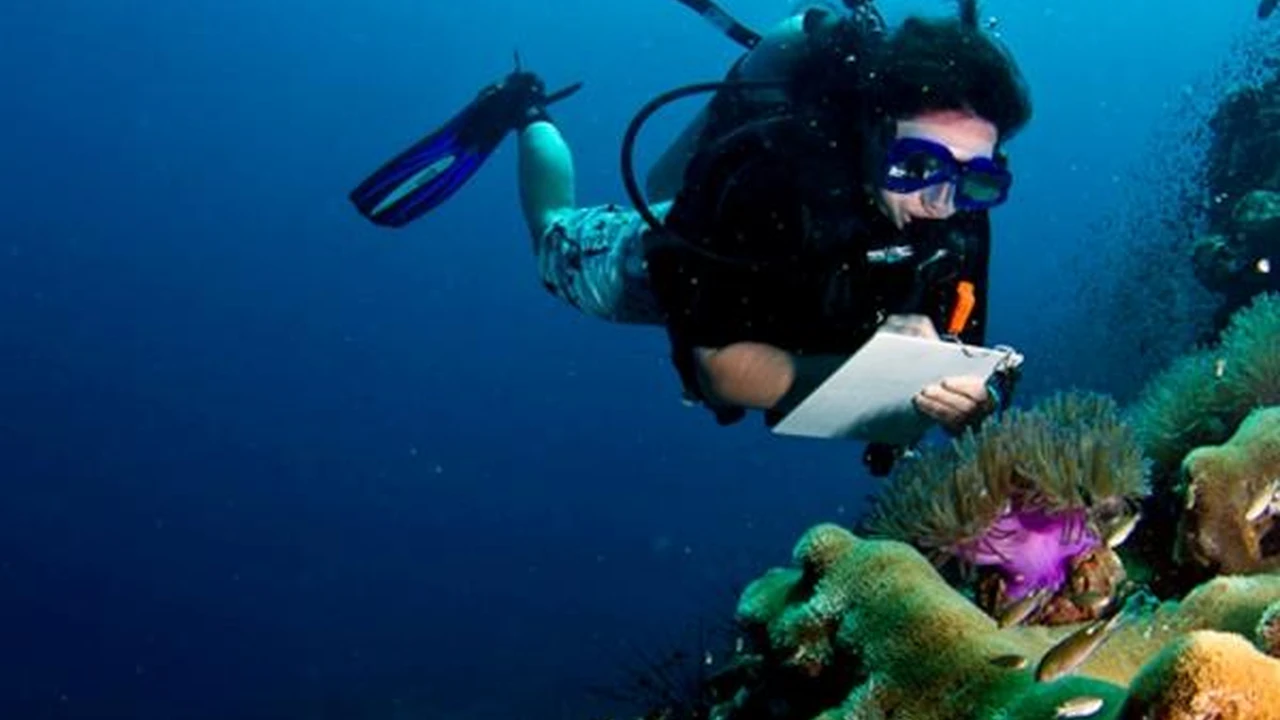
Participating in Citizen Science Programs and Data Collection
Your dives can contribute valuable data to scientific research! Many organizations run citizen science programs where divers can report sightings, document coral health, or identify species. Projects like Reef Check allow certified divers to conduct surveys on coral reef health, providing crucial data for conservation management. Apps like iNaturalist or FishBase allow you to upload photos of marine life you encounter, helping scientists track species distribution and population changes.
Even simply reporting unusual observations, like signs of disease in corals or unusual marine debris, to your dive operator or local conservation groups can be helpful. Your eyes and observations are a powerful tool for monitoring the health of dive sites.
Supporting Eco-Friendly Dive Operators and Resorts
When planning your dive trips, choose operators and resorts that demonstrate a commitment to environmental sustainability. Look for certifications like Green Fins, which assesses and certifies dive and snorkel operators based on their environmental performance. Ask about their practices: Do they have a no-touch policy? Do they educate divers on marine conservation? Do they manage their waste responsibly? Do they support local conservation initiatives?
Supporting these businesses sends a clear message to the industry that divers value sustainability. It encourages more operators to adopt eco-friendly practices, creating a positive ripple effect throughout the diving tourism sector.
Reducing Your Carbon Footprint and Plastic Consumption
Our actions on land also impact the ocean. Reducing your overall carbon footprint helps mitigate climate change, which is a major driver of ocean warming and coral bleaching. This means things like reducing energy consumption, choosing public transport or cycling, and supporting renewable energy.
Minimizing single-use plastics is another huge one. Carry a reusable water bottle, coffee cup, and shopping bags. Say no to plastic straws. When traveling, try to avoid products with excessive plastic packaging. Every piece of plastic we prevent from entering the waste stream is a potential piece of plastic prevented from entering the ocean.
Essential Gear for Eco-Conscious Divers and Product Recommendations
While no gear directly cleans the ocean for you, certain products can help you dive more responsibly and support conservation efforts. Here are a few categories and specific recommendations:
Reef-Safe Sunscreen for Coral Protection
This is a big one! Many traditional sunscreens contain chemicals like oxybenzone and octinoxate, which are highly toxic to corals and contribute to coral bleaching. When you swim or dive, these chemicals wash off into the water, harming delicate marine ecosystems. Switching to reef-safe sunscreen is a simple yet impactful change.
- Stream2Sea Mineral Sunscreen: This brand is widely recognized for its commitment to marine safety. Their sunscreens are rigorously tested and proven not to harm aquatic life. They use non-nano zinc oxide and titanium dioxide as active ingredients.
- Usage Scenario: Apply generously at least 20 minutes before entering the water. Reapply after sweating or prolonged water exposure.
- Comparison: Unlike chemical sunscreens that absorb UV rays, mineral sunscreens create a physical barrier. Stream2Sea is also biodegradable and comes in eco-friendly packaging.
- Price: Typically ranges from $18-$25 for a 3oz tube.
- Raw Elements Certified Natural Sunscreen: Another excellent option, Raw Elements uses non-nano zinc oxide and is certified reef-safe. It's also water-resistant and great for active individuals.
- Usage Scenario: Ideal for long dive days or snorkeling trips where you'll be in the sun for extended periods.
- Comparison: Similar to Stream2Sea in its mineral-based formula, Raw Elements often has a slightly thicker consistency but rubs in well.
- Price: Around $19-$28 for a 3oz tin or tube.
Reusable Water Bottles and Hydration Systems for Waste Reduction
Single-use plastic water bottles are a major source of ocean pollution. Carrying a reusable bottle is an easy way to reduce your plastic footprint, especially when traveling to dive destinations where clean drinking water might be scarce or expensive.
- Hydro Flask Wide Mouth Bottle: Known for its excellent insulation, keeping your water cold for hours, even in tropical climates. Made from durable stainless steel.
- Usage Scenario: Perfect for boat dives, beach days, or just everyday hydration. Fill it up at your hotel or dive shop.
- Comparison: While many brands offer insulated bottles, Hydro Flask is renowned for its durability and wide range of sizes and colors.
- Price: $30-$50 depending on size (24oz to 40oz).
- Nalgene Wide Mouth Bottle: A classic for a reason. Nalgene bottles are virtually indestructible, lightweight, and easy to clean. They don't insulate, but they're a reliable, no-frills option.
- Usage Scenario: Great for packing in your dive bag, as they won't add much weight. Ideal if you don't need your water to stay ice-cold.
- Comparison: Much lighter and less expensive than insulated bottles, but without the temperature retention.
- Price: $10-$15 for a 32oz bottle.
Mesh Dive Bags for Debris Collection
Having a small mesh bag on your dive can be incredibly useful for collecting any marine debris you encounter. Remember the 'take nothing but pictures, leave nothing but bubbles' mantra? Add 'take out nothing but trash' to that!
- Akona Collapsible Mesh Duffel Bag: While larger, this bag is great for carrying your gear and can double as a large collection bag for organized cleanup dives. It collapses for easy storage.
- Usage Scenario: For dedicated cleanup dives or if you anticipate finding larger pieces of debris.
- Comparison: More robust than smaller bags, designed for gear transport but versatile for debris.
- Price: Around $40-$60.
- XS Scuba Mesh Bag (Small): A compact, simple mesh bag that can be clipped to your BCD. Perfect for collecting small pieces of plastic, fishing line, or other litter you find.
- Usage Scenario: Every recreational dive. Clip it on, and if you see a piece of trash, safely retrieve it.
- Comparison: Smaller and more convenient for individual debris collection than larger duffels.
- Price: $10-$20.
Dive Knives or Shears for Entanglement Prevention
While not directly for conservation, a dive knife or shears is a crucial safety tool that can indirectly help marine life. Entangled marine animals are a tragic sight, and having a cutting tool can allow you to assist if you encounter an animal caught in fishing line or netting (only if you are trained and it is safe to do so, of course).
- Aqua Lung Squeeze Lock Knife: A popular choice for its secure locking mechanism and easy one-hand release. Available in blunt or pointed tip.
- Usage Scenario: Mounted on your BCD or leg, readily accessible for emergencies.
- Comparison: Known for its reliability and ease of use underwater.
- Price: $50-$70.
- Mares Force Plus Knife: A versatile knife with a sharp blade and a line cutter.
- Usage Scenario: General purpose dive knife for various cutting needs.
- Comparison: Good balance of size and functionality.
- Price: $40-$60.
The Future of Marine Conservation and Your Role
The challenges facing our oceans are immense, but so is the power of a united diving community. Every small action, when multiplied by thousands of divers worldwide, can lead to significant positive change. Imagine if every diver picked up just one piece of trash on every dive, or consistently chose reef-safe sunscreen, or educated one friend about sustainable seafood. The cumulative impact would be enormous.
The future of marine conservation relies on continued research, innovation, and, most importantly, active participation from individuals like us. Stay informed about marine issues, support policies that protect the ocean, and inspire others to care. Share your passion for the underwater world with friends and family, highlighting its beauty and fragility. The more people who understand and appreciate the ocean, the more advocates we will have for its protection.
Remember, our dives are not just about personal enjoyment; they are an opportunity to connect with and contribute to a vital global ecosystem. Let's continue to explore, learn, and protect, ensuring that the wonders of the ocean remain for generations to come. Happy diving, and happy conserving!
:max_bytes(150000):strip_icc()/277019-baked-pork-chops-with-cream-of-mushroom-soup-DDMFS-beauty-4x3-BG-7505-5762b731cf30447d9cbbbbbf387beafa.jpg)