Scuba Diving and Eco Tourism Responsible Travel
Learn about sustainable diving practices and eco-friendly resorts that protect marine environments.
Learn about sustainable diving practices and eco-friendly resorts that protect marine environments.
Scuba Diving and Eco Tourism Responsible Travel
Understanding Eco Tourism in Scuba Diving
Hey fellow divers! We all love exploring the incredible underwater world, right? The vibrant coral reefs, the majestic marine life, the sheer tranquility of being submerged – it's truly a privilege. But with great privilege comes great responsibility. As divers, we're often at the forefront of experiencing the beauty and fragility of our oceans. That's where eco-tourism, especially in the context of scuba diving, becomes super important. It's not just a buzzword; it's about making conscious choices that minimize our impact and contribute positively to the environments we visit. Think about it: every time we dive, we're interacting with a delicate ecosystem. Our actions, no matter how small, can have a ripple effect. Eco-tourism in diving means actively seeking out operators, resorts, and practices that prioritize conservation, community benefit, and environmental protection. It's about being a part of the solution, not the problem.
Why Sustainable Diving Practices Matter for Marine Environments
So, why should we care so much about sustainable diving? Well, the health of our oceans is directly linked to the health of our planet, and frankly, to our ability to keep diving! Coral reefs, for instance, are often called the 'rainforests of the sea' because of their incredible biodiversity. They provide homes for countless species, protect coastlines, and even contribute to the air we breathe. But these vital ecosystems are under immense pressure from climate change, pollution, overfishing, and, yes, even irresponsible tourism. When divers touch corals, stir up sediment, or chase marine life, they can cause damage that takes years, if not decades, to recover. Sustainable practices aim to prevent this. They focus on things like proper buoyancy control to avoid contact with the reef, respecting marine life by not touching or harassing them, and choosing dive operators who adhere to strict environmental guidelines. It's about leaving no trace, or even better, leaving the environment in a better state than we found it.
Choosing Eco Friendly Dive Operators and Resorts
This is where your choices as a consumer really make a difference. How do you know if a dive operator or resort is genuinely eco-friendly and not just 'greenwashing'? Look for certifications and affiliations. Organizations like Green Fins, Project AWARE, and the Marine Stewardship Council (MSC) offer certifications or guidelines for sustainable tourism. Green Fins, for example, assesses dive centers on a range of environmental criteria, from waste management to responsible diving practices. When booking, ask questions: Do they have a strict no-touch policy? Do they educate divers on marine conservation? What are their waste management practices? Do they support local conservation initiatives? A truly eco-friendly operator will be transparent and proud of their efforts. They might even offer opportunities for divers to participate in conservation activities, like reef clean-ups or citizen science projects. It's about finding partners who share your values for protecting the ocean.
Top Eco Friendly Dive Destinations and Their Initiatives
Many destinations around the world are leading the way in eco-friendly diving. Let's look at a few examples and what makes them stand out:
Palau A Pioneer in Marine Conservation
Palau is often cited as a global leader in marine conservation. They implemented the world's first shark sanctuary in 2009 and later established the Palau National Marine Sanctuary, protecting 80% of its exclusive economic zone from fishing and extractive activities. Divers visiting Palau are required to sign the 'Palau Pledge,' a commitment to responsible tourism. Their dive operators are highly regulated and focus on preserving their pristine reefs and abundant marine life. You'll find strict rules about not touching anything, maintaining buoyancy, and respecting the environment. It's a fantastic example of a nation prioritizing its natural heritage.
Raja Ampat Indonesia Biodiversity Hotspot
Raja Ampat is renowned for having the highest marine biodiversity on Earth. To protect this incredible treasure, the local communities and government have established marine protected areas (MPAs) and implemented a conservation fee for visitors. Many liveaboards and resorts in Raja Ampat actively support local conservation efforts, employ local staff, and educate divers on responsible interactions. They often have strict guidelines for anchoring, waste disposal, and respecting the delicate coral ecosystems. Choosing operators that contribute to the local conservation fund is key here.
Galapagos Islands Ecuador Unique Ecosystem Protection
The Galapagos Islands are a UNESCO World Heritage site, famous for their unique and fearless wildlife. Strict regulations are in place to protect this fragile ecosystem. Visitors must be accompanied by a certified naturalist guide, and all activities are carefully controlled to minimize human impact. Dive operators adhere to strict guidelines regarding anchoring, waste, and interaction with marine life. The focus is on observation without disturbance, ensuring these incredible creatures remain wild and unafraid. It's a prime example of highly regulated eco-tourism.
Bonaire Dutch Caribbean Diver's Paradise with Conservation Focus
Bonaire has long been a pioneer in marine conservation, establishing its entire coastline as a marine park in 1979. All divers are required to purchase a marine park tag, and the funds go directly towards conservation efforts. There are strict rules about anchoring (only on moorings), no touching, and no collecting. Many resorts on Bonaire are actively involved in coral restoration projects and sustainable practices. It's a destination where conservation is deeply ingrained in the diving culture, making it easy for divers to be responsible.
Practical Tips for Responsible Scuba Diving
Beyond choosing the right operators, there's a lot we can do individually to be more responsible divers:
Master Your Buoyancy Control
This is probably the single most important skill for eco-friendly diving. Good buoyancy means you can hover effortlessly, avoiding contact with the reef or stirring up sediment. Practice, practice, practice! Take a Peak Performance Buoyancy specialty course if you need to. It makes your dives more enjoyable and protects the environment.
Respect Marine Life No Touching No Chasing
It sounds obvious, but it's crucial. Never touch, chase, or harass marine animals. This includes corals, fish, turtles, sharks – everything. Touching can remove protective mucus layers from fish, damage delicate corals, and stress animals. Observe from a respectful distance. Remember, you're a visitor in their home.
Leave No Trace
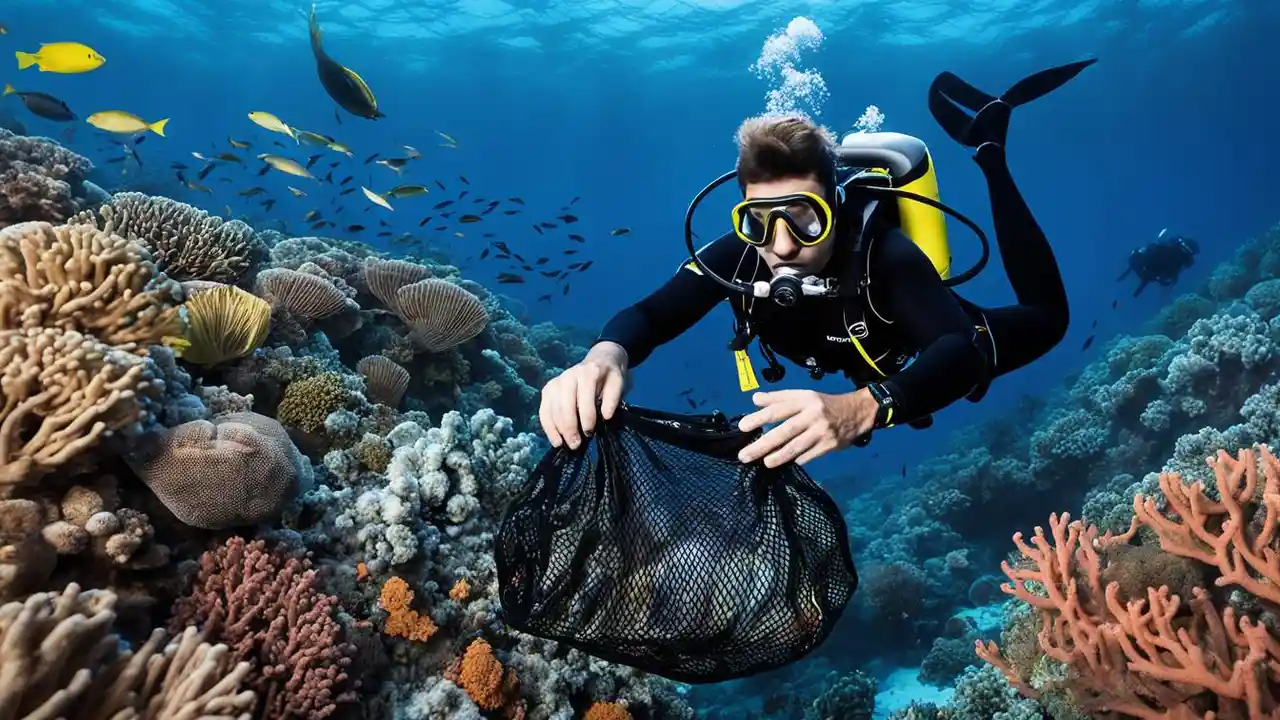
This applies to everything. Don't leave trash, fishing lines, or any other debris in the ocean. If you see trash, and it's safe to do so, pick it up. Many dive operators organize regular clean-up dives, which are a great way to contribute. Also, be mindful of your fin kicks and equipment, ensuring they don't drag along the bottom or hit corals.
Support Local Communities
Choose dive operators, restaurants, and accommodations that are locally owned and employ local staff. This ensures that the economic benefits of tourism stay within the community, providing an incentive for them to protect their natural resources. Buy local crafts and produce where possible.
Reduce Your Carbon Footprint
Travel, especially international travel, has a carbon footprint. Consider offsetting your flights, choosing direct flights where possible, and minimizing single-use plastics during your trip. Many eco-resorts are also working to reduce their energy and water consumption.
Eco Friendly Products for the Conscious Diver
Beyond our actions, the gear we use can also have an impact. Here are some categories of eco-friendly products and specific recommendations:
Reef Safe Sunscreen Protecting Corals
Traditional sunscreens often contain chemicals like oxybenzone and octinoxate, which are highly toxic to corals and can contribute to coral bleaching. Switching to reef-safe sunscreen is a simple yet impactful change. These sunscreens use mineral blockers like zinc oxide and titanium dioxide, which are safer for marine life.
Product Recommendations:
- Stream2Sea Mineral Sunscreen SPF 30: This brand is a pioneer in reef-safe products. Their sunscreen is rigorously tested for aquatic safety and comes in recyclable packaging. It's biodegradable and doesn't contain harmful chemicals. Price: Around $18-25 for 3oz.
- Raw Elements Certified Natural Sunscreen SPF 30: Another excellent option, Raw Elements uses non-nano zinc oxide and is water-resistant. It's also biodegradable and comes in a tin, reducing plastic waste. Price: Around $15-20 for 3oz.
- Badger Sport Sunscreen Cream SPF 35: Badger is well-known for its natural and organic products. Their sport sunscreen is zinc oxide-based, water-resistant, and free from harmful chemicals. Price: Around $15-20 for 2.9oz.
Usage Scenario: Apply generously at least 20 minutes before entering the water. Reapply after sweating or prolonged water exposure. These are essential for any diver, especially when diving in tropical, sunny locations.
Comparison: Stream2Sea and Raw Elements are often praised for their commitment to aquatic testing and sustainable packaging. Badger is a widely available and trusted natural brand. All three offer effective sun protection without harming marine ecosystems.
Reusable Water Bottles and Coffee Cups Reducing Plastic Waste
Single-use plastic bottles are a huge problem for our oceans. Bringing your own reusable water bottle and coffee cup is an easy way to significantly reduce your plastic footprint, especially when traveling.
Product Recommendations:
- Hydro Flask Wide Mouth Water Bottle (32 oz): Known for its excellent insulation, keeping drinks cold for hours. Durable and comes in various colors. Price: Around $45-50.
- Klean Kanteen Insulated Classic Bottle (20 oz): A long-standing brand in reusable bottles, Klean Kanteen offers durable, stainless steel options. Price: Around $30-35.
- KeepCup Reusable Coffee Cup (12 oz): Perfect for your morning coffee. Available in glass or plastic (BPA-free) options. Price: Around $15-25.
Usage Scenario: Carry your reusable water bottle everywhere, refilling it at your hotel or dive shop. Use your reusable coffee cup for your morning brew instead of disposable cups. Many dive boats now offer water refill stations.
Comparison: Hydro Flask excels in insulation, while Klean Kanteen is known for its robust build. KeepCup is specifically designed for coffee/tea. The key is to choose one you'll actually use consistently.
Eco Friendly Dive Gear and Apparel Sustainable Choices
While it's harder to find fully 'eco-friendly' dive gear (due to materials like neoprene), some brands are making efforts towards sustainability in their manufacturing processes or by using recycled materials.
Product Recommendations:
- Fourth Element OceanPositive Collection: Fourth Element is a leader in sustainable dive apparel. Their OceanPositive line uses recycled nylon from ghost fishing nets and other waste materials to create swimwear, rash guards, and even some wetsuits. Price: Rash guards around $60-80, swimwear varies.
- Waterlust Leggings and Apparel: Waterlust creates beautiful activewear from recycled plastic bottles, with designs inspired by marine life. A portion of their sales goes to marine research and conservation. Price: Leggings around $80-100.
- Aqualung X-SCAPE Wetsuit: Aqualung has introduced wetsuits made with limestone-based neoprene (which is more environmentally friendly than petroleum-based) and recycled materials for the lining. Price: Varies by model, typically $200-400+.
Usage Scenario: Choose these items for your dive trips to reduce your environmental footprint. The Fourth Element rash guards are great for sun protection and warmth, while Waterlust leggings are perfect for pre/post-dive wear.
Comparison: Fourth Element is specifically focused on dive apparel and uses recycled ocean waste. Waterlust offers stylish options with a direct link to conservation. Aqualung is a major gear manufacturer making strides in sustainable materials for core dive equipment. While a full wetsuit from recycled materials is still a challenge, these brands are moving in the right direction.
Reusable Dive Bags and Gear Organizers
Instead of using plastic bags for wet gear or single-use packaging, invest in durable, reusable dive bags and mesh bags for organizing your equipment.
Product Recommendations:
- Akona Collapsing Mesh Duffel Bag: A popular choice for divers, this mesh bag is durable, allows gear to air dry, and collapses for easy storage. Great for carrying wet wetsuits and fins. Price: Around $50-70.
- Scubapro Mesh Bag: Simple, robust mesh bags perfect for rinsing and transporting your BCD, fins, and mask. Price: Around $30-50.
Usage Scenario: Use these bags to transport your wet gear from the dive boat to your accommodation, allowing it to drain and air out. Avoid using plastic bags provided by dive centers.
Comparison: Both Akona and Scubapro offer reliable, durable mesh bags. The choice often comes down to preferred size and specific features like shoulder straps or pockets.
The Future of Eco Diving and Your Role
The good news is that awareness about marine conservation and sustainable diving is growing rapidly. More and more dive operators, resorts, and even gear manufacturers are recognizing the importance of protecting our oceans. As divers, we have a unique opportunity and responsibility to be ambassadors for the marine environment. By making conscious choices about where we dive, who we dive with, and what products we use, we can collectively make a significant positive impact. Every responsible dive, every piece of trash removed, every conversation about conservation contributes to a healthier ocean for future generations of divers to enjoy. Let's keep exploring, but let's do it responsibly.
:max_bytes(150000):strip_icc()/277019-baked-pork-chops-with-cream-of-mushroom-soup-DDMFS-beauty-4x3-BG-7505-5762b731cf30447d9cbbbbbf387beafa.jpg)