Scuba Diving and Climate Change Impact on Reefs
Understand how climate change affects coral reefs and what divers can do to help.
Understand how climate change affects coral reefs and what divers can do to help.
Scuba Diving and Climate Change Impact on Reefs
The Urgent Threat Climate Change Poses to Coral Reefs
Hey fellow divers and ocean lovers! We all cherish those vibrant, bustling underwater cities we call coral reefs. They're not just pretty to look at; they're absolutely vital ecosystems, supporting an incredible amount of marine life and even protecting coastlines. But let's be real, these incredible natural wonders are in serious trouble, and climate change is the biggest culprit. It's a heavy topic, but as divers, we're often on the front lines, witnessing these changes firsthand. So, let's dive deep into how climate change is impacting our beloved reefs and, more importantly, what we can actually do about it.
When we talk about climate change, we're primarily looking at two major issues for reefs: ocean warming and ocean acidification. Both are direct consequences of increased carbon dioxide (CO2) in our atmosphere, largely from human activities like burning fossil fuels. It’s a global problem, but its effects are acutely felt in our oceans.
Ocean Warming The Silent Killer of Coral Reefs
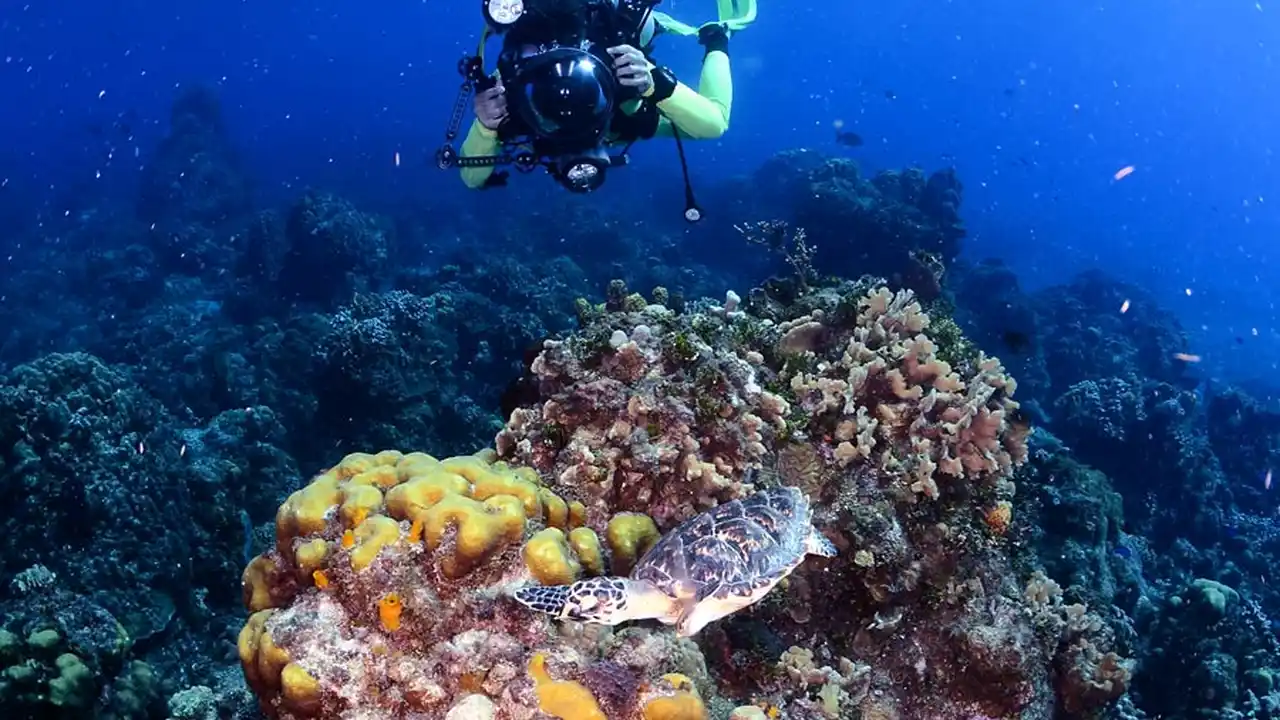
Imagine your favorite coral reef. Now imagine the water getting just a little too warm, consistently. That's what's happening. As the Earth's temperature rises, so does the temperature of our oceans. Corals, which are actually tiny animals called polyps, live in a delicate symbiotic relationship with microscopic algae called zooxanthellae. These algae live within the coral tissues and provide the coral with most of its food through photosynthesis, giving the coral its vibrant colors.
When water temperatures get too high, even for a short period, this symbiotic relationship breaks down. The coral polyps get stressed and expel the zooxanthellae, leaving the coral bleached and white. This phenomenon is known as coral bleaching. A bleached coral isn't dead yet, but it's severely weakened and much more susceptible to disease. If the water temperature doesn't return to normal quickly enough, or if the stress is prolonged, the coral will eventually die. We've seen massive bleaching events across the globe, from the Great Barrier Reef to the Caribbean, leading to widespread coral mortality.
Think about it like this: if you're a diver, you know how sensitive corals are. Even a slight bump can damage them. Now imagine an entire ocean getting a fever. That's the scale of the problem. And it's not just about the corals themselves. When corals die, all the fish, invertebrates, and other creatures that rely on them for food and shelter are also impacted. It's a domino effect that can devastate entire marine ecosystems.
Ocean Acidification The Other Side of the Coin for Coral Health
While ocean warming gets a lot of attention, ocean acidification is another equally insidious threat. As the ocean absorbs more and more CO2 from the atmosphere, its chemistry changes. The CO2 reacts with seawater to form carbonic acid, which increases the acidity of the ocean (lowers its pH). This might sound like a minor change, but for marine organisms that build shells or skeletons out of calcium carbonate, it's a huge deal.
Corals, along with shellfish, sea urchins, and many plankton species, rely on calcium carbonate to build and maintain their structures. As the ocean becomes more acidic, it becomes harder for these organisms to extract the necessary building blocks from the water. It's like trying to build a house with dissolving bricks. In severe cases, existing coral skeletons can even begin to dissolve. This weakens the entire reef structure, making it more vulnerable to storms and erosion.
Imagine a diver trying to navigate a reef that's crumbling. That's the future we're looking at if ocean acidification continues unchecked. It impacts not just the structural integrity of the reef but also the ability of new corals to grow and thrive, hindering the reef's natural recovery processes.
Beyond Bleaching and Acidification Other Climate Change Impacts on Reefs
It's not just warming and acidification. Climate change brings a whole host of other issues that affect our reefs:
- Increased Storm Intensity: Warmer oceans fuel more powerful tropical storms and hurricanes. These storms can physically devastate reefs, breaking apart coral structures and scattering debris.
- Sea Level Rise: While corals can grow upwards, the rate of sea level rise in some areas might outpace their growth, potentially drowning them in deeper, darker waters where they can't get enough sunlight.
- Changes in Ocean Currents: Climate change can alter ocean currents, which are crucial for distributing coral larvae, nutrients, and food sources. Disruptions can impact coral reproduction and the overall health of reef ecosystems.
- Disease Outbreaks: Stressed corals are more susceptible to diseases. Warmer waters can also create more favorable conditions for disease-causing pathogens to thrive.
It's a complex web of interconnected problems, all stemming from the same root cause: our changing climate.
What Can Divers Do to Help Combat Climate Change and Protect Reefs?
Okay, so the situation sounds pretty grim, right? But here's the good news: as divers, we have a unique perspective and a powerful voice. We see the beauty, and we see the damage. We can be incredibly effective advocates and active participants in protecting these precious ecosystems. It's not just about grand gestures; it's about everyday actions and informed choices.
Reduce Your Carbon Footprint Every Bit Counts
This is the big one. The most impactful thing we can do is to reduce our personal and collective carbon emissions. This means:
- Energy Efficiency: At home, use energy-efficient appliances, turn off lights, unplug electronics, and insulate your home.
- Renewable Energy: If possible, switch to a renewable energy provider or support policies that promote clean energy.
- Sustainable Transportation: Walk, bike, use public transport, or carpool. When flying, consider offsetting your carbon emissions (though reducing flights is even better).
- Dietary Choices: Reducing consumption of meat, especially red meat, can significantly lower your carbon footprint.
- Reduce, Reuse, Recycle: Minimize waste. The less we consume, the less energy is used in production and disposal.
Every small change adds up. Think about your dive trips too. Can you choose operators with strong environmental policies? Can you minimize your travel footprint?
Be a Responsible Diver Lead by Example
Our actions underwater directly impact the health of the reef. This is where our passion for diving can translate into direct conservation:
- Perfect Buoyancy: This is non-negotiable. Master your buoyancy to avoid touching, kicking, or stirring up sediment on the reef. If you're struggling, take a Peak Performance Buoyancy course.
- No Touching: Never touch corals or marine life. Even a gentle touch can remove their protective mucus layer, making them vulnerable to disease.
- Secure Your Gear: Make sure all your hoses, gauges, and cameras are clipped close to your body so they don't drag on the reef.
- Respect Marine Life: Observe from a distance. Don't chase, harass, or feed marine animals.
- Choose Eco-Friendly Operators: Support dive centers and liveaboards that prioritize conservation, have responsible waste management, and educate their divers on environmental practices.
- Dive Against Debris: Participate in underwater cleanups. Organizations like Project AWARE (now PADI AWARE Foundation) organize these regularly. Even picking up a single piece of trash on a dive makes a difference.
Support Marine Conservation Efforts Your Dollars Make a Difference
Many organizations are working tirelessly on reef conservation, research, and restoration. Supporting them financially or through volunteering can have a huge impact:
- Donate: Consider donating to reputable organizations like the Coral Reef Alliance, Reef Check, or local conservation groups in areas you dive.
- Volunteer: If you have the time, volunteer for reef monitoring programs, coral restoration projects, or educational initiatives.
- Citizen Science: Participate in citizen science projects where divers collect data on reef health, fish populations, or bleaching events. Your observations can contribute to valuable scientific research.
Advocate for Policy Change Use Your Voice
Individual actions are crucial, but systemic change is also needed. Use your voice to advocate for stronger environmental policies:
- Contact Elected Officials: Write to your representatives about the importance of climate action and marine protection.
- Support Sustainable Businesses: Choose businesses that prioritize sustainability and ethical practices.
- Educate Others: Share what you've learned about climate change and its impact on reefs with friends, family, and fellow divers. Inspire them to take action.
- Join Campaigns: Support campaigns that push for renewable energy, carbon reduction targets, and marine protected areas.
Products and Gear for the Eco-Conscious Diver
As divers, our gear choices can also reflect our commitment to the environment. While no product is 100% impact-free, many brands are making strides towards more sustainable practices. Here are a few categories and specific product recommendations to consider:
Reef-Safe Sunscreen Protecting Yourself and the Reef
This is a big one! Many traditional sunscreens contain chemicals like oxybenzone and octinoxate, which are highly toxic to corals, causing bleaching and DNA damage. When you swim, these chemicals wash off and directly impact the reef. Switching to reef-safe sunscreen is an easy and impactful change.
- Stream2Sea Mineral Sunscreen SPF 30: This brand is a pioneer in reef-safe products. Their sunscreen uses non-nano zinc oxide and titanium dioxide as active ingredients, which are mineral-based and don't harm corals. They also use sugarcane resin packaging, reducing plastic waste. It's biodegradable and tested to be safe for aquatic life.
- Raw Elements Certified Natural Sunscreen SPF 30: Another excellent mineral-based option. Raw Elements is known for its high-quality, broad-spectrum protection and minimal ingredients. It's water-resistant and great for active divers.
- Badger Sport Sunscreen SPF 35: A widely available and affordable option. Badger uses non-nano zinc oxide and is certified organic. It's a thicker formula but provides excellent protection.
Usage Scenario: Apply generously at least 20 minutes before entering the water. Reapply every 80 minutes or after heavy sweating/swimming. Even better, combine with rash guards and dive skins for physical sun protection, reducing the need for excessive sunscreen.
Price Range: Typically $15 - $25 USD for a 3-4 oz tube.
Eco-Friendly Dive Gear Brands Sustainable Choices
Some dive gear manufacturers are starting to incorporate more sustainable materials and production processes. While it's still a niche, supporting these brands sends a message to the industry.
- Fourth Element: This UK-based company is a leader in sustainable divewear. They use recycled materials (like ECONYL® regenerated nylon from ghost fishing nets and other waste) in their wetsuits, rash guards, and swimwear. Their packaging is also plastic-free.
- Specific Product: Fourth Element X-Core Vest (made from recycled materials for thermal protection).
- Usage Scenario: Wear under your wetsuit for extra warmth or as a standalone rash guard in warm water.
- Price Range: X-Core Vest around $100 - $150 USD. Wetsuits can range from $300 - $700 USD.
- Waterlust: While not a full dive gear brand, Waterlust creates beautiful activewear (leggings, rash guards) from recycled plastic bottles. Their designs often feature marine life, and a portion of their profits goes to marine research.
- Specific Product: Waterlust Recycled Plastic Leggings.
- Usage Scenario: Perfect for wearing under a wetsuit, for snorkeling, or just as comfortable travel wear.
- Price Range: Leggings around $80 - $100 USD.
- Aqualung (select products): Aqualung has started to introduce some eco-conscious products, like their 'Oceanic' line of fins and masks made with recycled materials.
- Specific Product: Aqualung Phazer Fins (some models incorporate recycled materials).
- Usage Scenario: General recreational diving.
- Price Range: Phazer Fins around $100 - $150 USD.
Comparison: Fourth Element is arguably the most committed to sustainability across their product range. Waterlust focuses on activewear with a strong conservation message. Aqualung is a large brand just beginning to integrate sustainable practices into some of its products.
Reusable Water Bottles and Coffee Cups Ditch the Single-Use Plastic
This might seem obvious, but single-use plastic bottles and cups are a massive source of ocean pollution. As divers, we see this plastic firsthand. Carrying your own reusable options is a simple yet powerful way to reduce your impact.
- Hydro Flask Wide Mouth Bottle: Excellent insulation keeps water cold for hours, perfect for hot dive boats. Durable stainless steel.
- Klean Kanteen Insulated Classic Bottle: Another great stainless steel option, known for its durability and variety of sizes.
- Stojo Collapsible Coffee Cup: Perfect for travel, this silicone cup collapses down to fit in your dive bag.
Usage Scenario: Bring your reusable water bottle on every dive trip, to the gym, and for daily use. Use a reusable coffee cup for your morning brew before heading to the dive shop.
Price Range: Water bottles typically $25 - $50 USD. Collapsible cups around $15 - $25 USD.
Dive Bags Made from Recycled Materials Travel Responsibly
Even your dive bag can be a statement. Some brands are now using recycled plastics or other sustainable materials for their bags.
- Patagonia Black Hole Duffel (select models): While not exclusively a dive bag, these incredibly durable duffels are made from 100% recycled body fabric, lining, and webbing. They're water-resistant and perfect for dive gear.
- Usage Scenario: Transporting dry dive gear, clothes, and personal items.
- Price Range: $120 - $200 USD depending on size.
Comparison: While dedicated dive bag brands are slower to adopt recycled materials, outdoor brands like Patagonia are leading the way. Look for certifications like bluesign® or recycled content claims.
The Future of Our Reefs A Call to Action for Divers
The challenges facing our coral reefs due to climate change are immense, but they are not insurmountable. As divers, we have a unique connection to the ocean and a responsibility to protect it. By understanding the science, making conscious choices in our daily lives and during our dives, and advocating for broader change, we can contribute to a healthier future for these vital ecosystems.
Every dive is an opportunity to be an ambassador for the ocean. Let's continue to explore, learn, and protect the underwater world we love so much. Our reefs, and the incredible life they support, depend on it.
:max_bytes(150000):strip_icc()/277019-baked-pork-chops-with-cream-of-mushroom-soup-DDMFS-beauty-4x3-BG-7505-5762b731cf30447d9cbbbbbf387beafa.jpg)