Scuba Diving Air Consumption Tips for Longer Dives
Techniques and strategies to improve air consumption and extend your bottom time underwater.
Techniques and strategies to improve air consumption and extend your bottom time underwater.
Scuba Diving Air Consumption Tips for Longer Dives
Ever wondered how some divers seem to stay down forever while you're already signaling for an ascent? It's not magic; it's often about efficient air consumption. Improving your air consumption isn't just about getting more bottom time; it's also about enhancing your safety, comfort, and overall enjoyment of the dive. When you're not constantly worried about your air gauge, you can truly relax and immerse yourself in the underwater world. This comprehensive guide will walk you through various techniques and strategies, from fundamental skills to advanced gear considerations, to help you become a more air-efficient diver.
Understanding Your Air Consumption Rate
Before we dive into improving your air consumption, it's crucial to understand what your current rate is. This is often measured in PSI per minute (or bar per minute) at the surface, known as your Surface Air Consumption (SAC) rate. Knowing your SAC rate allows you to plan your dives more effectively and track your progress as you implement new techniques.
Calculating Your Surface Air Consumption SAC Rate
To calculate your SAC rate, you'll need a few pieces of information from a recent dive:
- Starting pressure (PSI or bar)
- Ending pressure (PSI or bar)
- Dive time (minutes)
- Average depth (feet or meters)
- Tank volume (cubic feet or liters)
The formula for SAC rate (in PSI/minute) is: (Pressure Used / Dive Time) * (33 / Average Depth in Feet + 33). For metric, it's similar but uses 10 meters for atmospheric pressure. There are many online calculators and dive computers that can do this for you, but understanding the principle is key. Track your SAC rate over several dives to get a reliable average. You'll likely notice it improves as you gain experience and apply these tips.
Mastering Buoyancy Control for Air Efficiency
Good buoyancy control is arguably the single most important factor in improving air consumption. When you're perfectly neutral, you're not fighting to stay up or down, which means less finning and less exertion.
Perfecting Your Weighting Scuba Diving Weighting Tips
Many divers are overweighted, leading them to constantly inflate their BCD to compensate. This uses more air and makes it harder to achieve neutral buoyancy. The goal is to be neutrally buoyant at your safety stop with an almost empty tank. Here's how to check:
- At the surface, with a full tank and all your gear on, deflate your BCD. You should float at eye level.
- As you exhale, you should slowly sink. If you sink rapidly, you're overweighted.
- Remove weights gradually until you achieve this perfect buoyancy.
Remember, your wetsuit compresses at depth, reducing its buoyancy, so you'll need less weight than you might think. Practice makes perfect here.
Fine-Tuning Your Buoyancy with Breath Control
Once you're properly weighted, your lungs become your primary buoyancy control device. A slight inhale will cause you to rise slightly, and a slight exhale will cause you to sink. This subtle control minimizes the need for BCD adjustments, saving air. Practice hovering motionless in the water, using only your breath to control your position.
Optimizing Your Breathing Techniques for Longer Dives
How you breathe underwater significantly impacts your air consumption. Shallow, rapid breaths are inefficient. Deep, slow, and controlled breaths are the way to go.
Slow Deep Breaths The Key to Air Conservation
Think of it like meditation. Inhale slowly and deeply, allowing your lungs to fill completely. Exhale slowly and completely, emptying your lungs. This maximizes oxygen absorption and carbon dioxide expulsion with each breath, making your breathing more efficient. Avoid holding your breath, as this is dangerous and can lead to lung overexpansion injuries.
Diaphragmatic Breathing for Scuba Divers
Many people breathe shallowly from their chest. Diaphragmatic (or belly) breathing involves using your diaphragm to draw air deep into your lungs. Place one hand on your chest and one on your belly. As you inhale, your belly should rise more than your chest. This technique allows for greater lung capacity utilization and more efficient gas exchange.
Streamlining Your Dive Profile and Movement
Any unnecessary movement or drag underwater will increase your exertion and, consequently, your air consumption.
Achieving Proper Trim and Body Position
Your body position in the water, known as trim, should be horizontal, like a plane. This minimizes drag. Avoid swimming in an upright or head-down position. Practice maintaining a flat, horizontal trim, which also makes finning more efficient.
Efficient Finning Techniques for Scuba Diving
Kick less, kick smarter. Avoid bicycle kicks or excessive thrashing. The most efficient finning techniques are the frog kick and the flutter kick. The frog kick is excellent for propulsion with minimal disturbance, while the flutter kick is good for covering distance. Focus on long, slow, powerful strokes rather than short, rapid ones. Your fins should be doing the work, not your legs.
Minimizing Unnecessary Movements Underwater
Every movement costs air. Avoid fidgeting, constantly adjusting your gear, or swimming against currents unnecessarily. Plan your movements, be deliberate, and move smoothly through the water. The less you move, the less air you use.
Gear Considerations for Improved Air Consumption
While technique is paramount, certain gear choices can also contribute to better air efficiency.
Choosing the Right Regulator for Easy Breathing
A good regulator delivers air smoothly and effortlessly, regardless of depth or tank pressure. While most modern regulators are excellent, some high-performance models offer even lower breathing resistance. Look for regulators with adjustable breathing resistance, allowing you to fine-tune it for comfort. Here are a few top picks:
- Apeks XTX200: Known for its exceptional cold-water performance and incredibly easy breathing. It's a top-tier regulator, often favored by technical divers. Expect to pay around $800-$1000 for a first and second stage.
- Scubapro MK25 EVO/S600: A classic combination, renowned for its robust design and consistent air delivery. Excellent for all diving conditions. Price range: $700-$900.
- Atomic Aquatics T3: A premium, lightweight titanium regulator offering unparalleled breathing performance and durability. It's an investment, but many divers swear by its comfort. Price range: $1500-$2000.
Selecting Efficient Fins for Propulsion
The right fins can make a huge difference in your propulsion and reduce leg fatigue. Avoid overly stiff fins if you're not a strong kicker, as they can be inefficient and tiring. Split fins are designed for less effort, while paddle fins offer more power. Try different types to see what works best for your finning style and leg strength.
- Mares Avanti Quattro Plus: A popular and versatile paddle fin known for its excellent thrust and comfort. Great for various diving conditions. Price: $150-$200.
- Scubapro Seawing Nova: A unique blade design that provides powerful propulsion with less effort. Very popular for recreational divers. Price: $200-$250.
- Atomic Aquatics SplitFins: Designed to reduce drag and provide efficient propulsion with a 'propeller' effect. Good for divers who prefer a less strenuous kick. Price: $180-$220.
Considering Larger Capacity Tanks
This is the most straightforward way to get more bottom time: simply carry more air. While standard aluminum 80 cubic foot tanks are common, consider a steel 100 or 120 cubic foot tank if you consistently run low on air. Keep in mind that larger tanks are heavier and bulkier, so ensure you can manage the added weight and adjust your weighting accordingly.
Mental and Physical Factors Affecting Air Consumption
Your state of mind and physical condition play a significant role in how much air you consume.
Relaxation and Stress Reduction Underwater
Anxiety and stress cause rapid, shallow breathing and increased heart rate, leading to higher air consumption. Before and during your dive, take a moment to relax. Focus on your breathing, enjoy the scenery, and trust your training. If you feel stressed, pause, take a few slow, deep breaths, and regain your composure.
Maintaining Physical Fitness for Diving
Being in good physical shape means your body is more efficient at using oxygen. Regular cardiovascular exercise and strength training can improve your stamina and reduce exertion underwater. The fitter you are, the less your body has to work, and the less air you'll consume.
Staying Warm Underwater
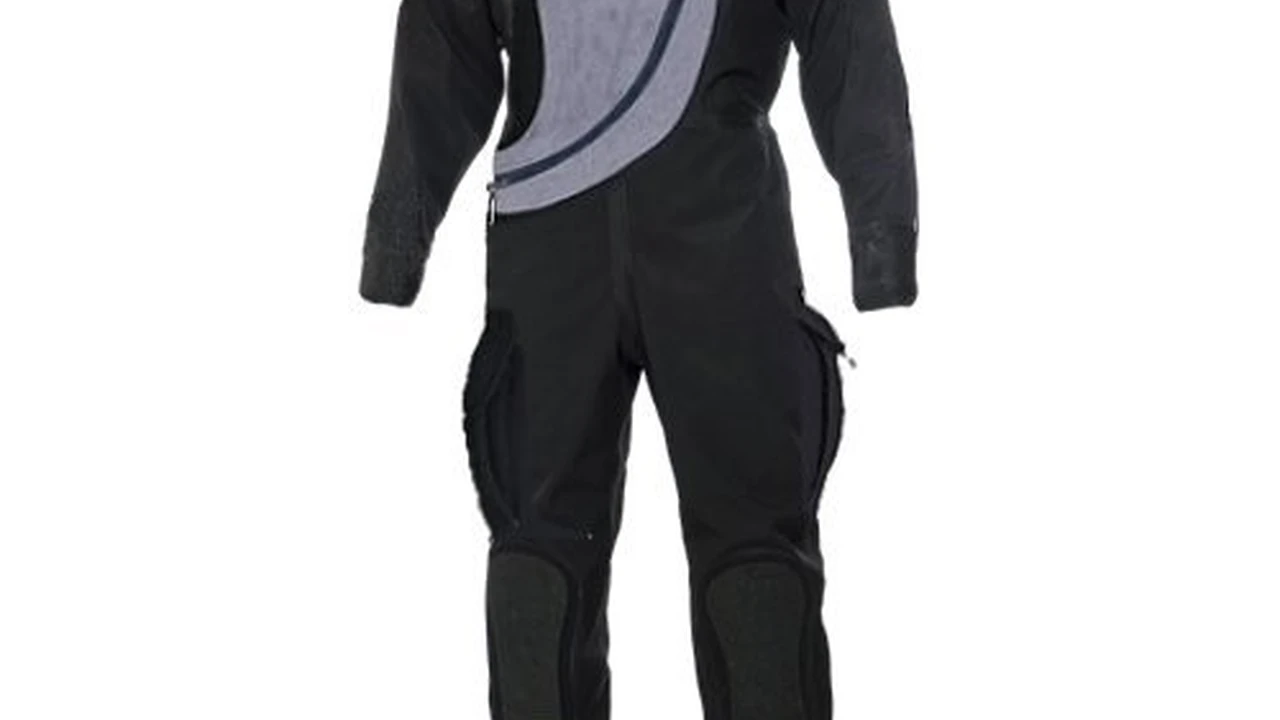
Your body expends energy to stay warm. If you're cold, your metabolism increases, and you'll breathe more heavily. Ensure your wetsuit or drysuit provides adequate thermal protection for the water temperature. Consider adding a hood or gloves if you tend to get cold easily.
Advanced Techniques and Practices
Once you've mastered the basics, you can explore more advanced techniques.
Practicing Controlled Ascent and Descent Rates
Rapid ascents and descents require more effort to control buoyancy, leading to increased air consumption. Practice slow, controlled descents and ascents, using your breath and minimal BCD adjustments. This also enhances safety by reducing the risk of barotrauma.
Utilizing Nitrox for Extended Bottom Time
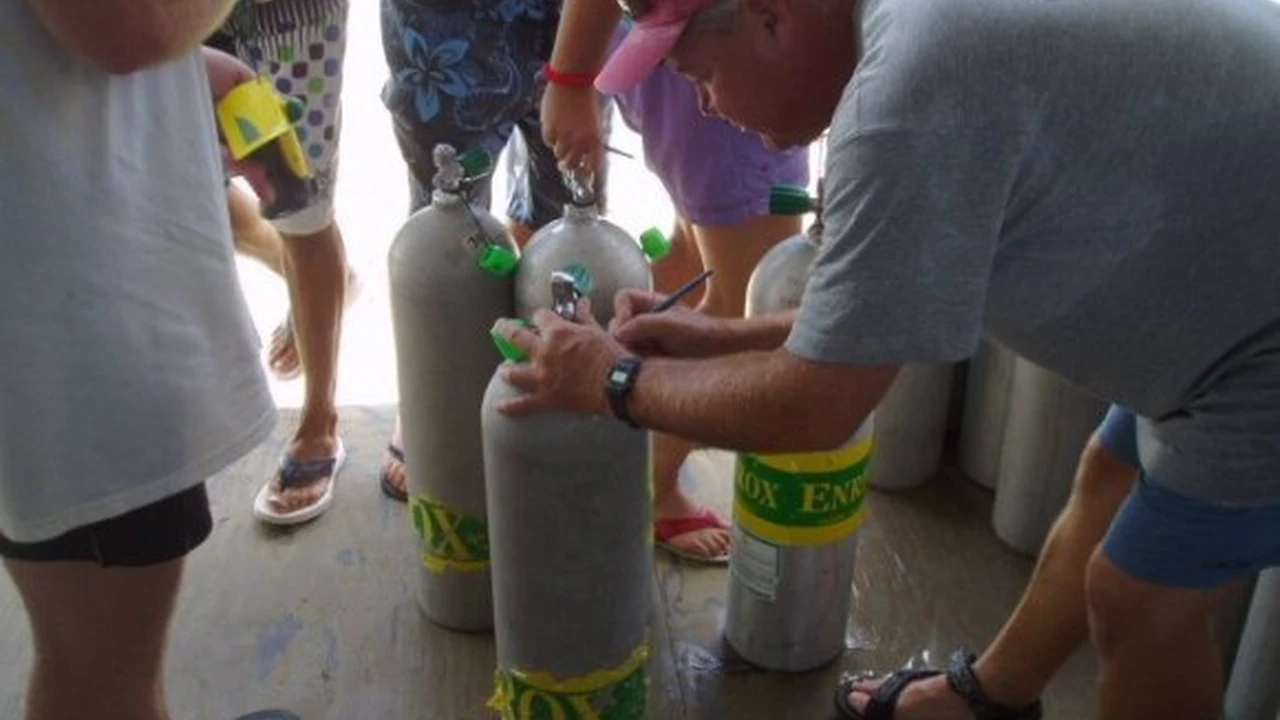
While not directly improving your air consumption rate, diving with Nitrox (Enriched Air Nitrox) allows for longer no-decompression limits, effectively extending your bottom time, especially on repetitive dives. This is because Nitrox has a higher percentage of oxygen and a lower percentage of nitrogen, reducing nitrogen buildup in your tissues. You'll need a Nitrox certification to use it.
Buddy System and Communication for Air Management
Regularly check your buddy's air gauge and have them check yours. Communicate your air levels frequently. This ensures both divers are aware of their remaining air and can plan the dive accordingly, preventing one diver from running low prematurely and forcing an early ascent for both.
Common Mistakes to Avoid
Being aware of common pitfalls can help you avoid them.
Overweighting and Its Impact on Air Consumption
As mentioned, this is a huge one. Overweighting leads to constant BCD inflation and deflation, making you work harder and use more air. Take the time to get your weighting right.
Rapid Finning and Jerky Movements
Thrashing around like a fish out of water is a surefire way to deplete your tank quickly. Focus on smooth, deliberate movements and efficient finning.
Ignoring Your Air Gauge
Don't wait until you're on reserve to check your air. Make it a habit to check your gauge frequently, perhaps every 5-10 minutes, or after significant changes in depth or activity. This allows you to manage your air proactively.
Panicking or Rushing Underwater
If something goes wrong or you feel uncomfortable, resist the urge to panic. Stop, think, and then act. Rushing will only exacerbate the problem and consume more air. Remember your training and rely on your buddy.
By consistently applying these techniques and strategies, you'll notice a significant improvement in your air consumption. This means longer, more relaxed, and ultimately more enjoyable dives. Happy bubbles!
:max_bytes(150000):strip_icc()/277019-baked-pork-chops-with-cream-of-mushroom-soup-DDMFS-beauty-4x3-BG-7505-5762b731cf30447d9cbbbbbf387beafa.jpg)