Best Underwater Photography Lenses for Different Subjects
{ "article": [ { "title": "Best Underwater Photography Lenses for Different Subjects", "meta_description": "Guide to choosing the right lenses for macro, wide-angle, and fish-eye photography underwater.", "content": "Guide to choosing the right lenses for macro, wide-angle, and fish-eye photography underwater.\n\n
\n\n
So, you're ready to take your underwater photography to the next level, huh? That's awesome! One of the biggest game-changers in getting those truly stunning shots is picking the right lens for what you're trying to capture. It's not a one-size-fits-all kind of deal down there. Different subjects, different lenses. Let's dive deep into the world of underwater photography lenses, covering macro, wide-angle, and fisheye options, and even throw in some specific product recommendations, usage scenarios, comparisons, and price points to help you make an informed decision.
\n\nUnderstanding Underwater Optics and Lens Choices
\n\nBefore we get into specific lenses, it's super important to understand how light behaves underwater. Water is much denser than air, and it acts like a giant filter, absorbing colors and bending light (refraction). This makes everything appear closer and larger than it actually is, by about 25%. This optical phenomenon is why your land lenses often don't perform as well underwater without specialized ports and corrections. That's where dedicated underwater lenses or specific land lenses that work well with dome ports come into play.
\n\nRefraction and Its Impact on Underwater Lenses
\n\nBecause of refraction, a 100mm macro lens on land might behave more like a 133mm lens underwater. Similarly, a wide-angle lens will have its field of view narrowed. This is why dome ports are crucial for wide-angle photography, as they help to correct this refraction and restore the lens's original angle of view. Flat ports, on the other hand, are generally used for macro photography because they magnify the subject, which is often desirable for tiny critters.
\n\nMacro Lenses for Underwater Photography Capturing the Tiny Wonders
\n\nIf you're fascinated by the intricate details of nudibranchs, the delicate patterns on a shrimp, or the tiny eyes of a pygmy seahorse, then macro photography is your jam. Macro lenses allow you to get incredibly close to your subject, magnifying it to fill the frame and reveal details invisible to the naked eye. The goal here is usually a 1:1 magnification ratio, meaning the subject is reproduced at life size on the camera's sensor.
\n\nKey Features of Underwater Macro Lenses
\n\n- Magnification: Look for lenses with a 1:1 (life-size) or even greater magnification ratio.
- Working Distance: This is the distance between the front of your lens and your subject. A longer working distance is often preferred underwater as it gives you more room to maneuver and less likely to scare off shy creatures.
- Sharpness: Crucial for capturing fine details.
- Autofocus Speed: While manual focus is often used for macro, a fast and accurate autofocus can be helpful.
Recommended Macro Lenses and Usage Scenarios
\n\nNikon AF-S VR Micro-Nikkor 105mm f/2.8G IF-ED
\n\nThis is a classic and a favorite among many underwater photographers. It offers excellent sharpness and a comfortable working distance, making it ideal for a wide range of macro subjects, from small fish to tiny invertebrates. It's a versatile lens that performs beautifully both on land and underwater.
\n\n- Usage Scenario: Perfect for shooting shy critters like gobies, blennies, or even small crabs that require a bit more distance. Also great for capturing intricate details of corals or anemones.
- Pros: Excellent image quality, good working distance, built-in vibration reduction (though less critical underwater).
- Cons: Can be a bit pricey.
- Approximate Price: $800 - $900 (new)
Canon EF 100mm f/2.8L Macro IS USM
\n\nCanon's equivalent to the Nikon 105mm, this lens is also a top performer. It's known for its superb sharpness, fast autofocus, and excellent image stabilization. It's an L-series lens, meaning it's built to professional standards.
\n\n- Usage Scenario: Similar to the Nikon 105mm, it's a workhorse for general macro photography, offering great versatility for various subjects.
- Pros: Superb image quality, fast and accurate autofocus, robust build.
- Cons: Also on the higher end of the price spectrum.
- Approximate Price: $700 - $800 (new)
Olympus M.Zuiko Digital ED 60mm f/2.8 Macro (for Micro Four Thirds)
\n\nFor Micro Four Thirds users, this lens is a gem. It provides a 1:1 magnification and, due to the crop factor, acts like a 120mm equivalent in full-frame terms, giving you a good working distance. It's compact and lightweight, making it great for travel.
\n\n- Usage Scenario: Ideal for smaller macro subjects, especially when paired with a compact mirrorless system. Great for nudibranchs, seahorses, and other small reef inhabitants.
- Pros: Excellent sharpness, compact size, good working distance for M4/3.
- Cons: Only for Micro Four Thirds systems.
- Approximate Price: $400 - $500 (new)
Wet Macro Lenses and Diopters Enhancing Magnification
\n\nSometimes, even a dedicated macro lens isn't enough for the truly tiny stuff. That's where wet macro lenses, also known as diopters or close-up lenses, come in. These lenses attach to the front of your port (usually a flat port) and further magnify your subject. They are 'wet' because they can be attached and removed underwater, allowing you to switch between regular macro and super macro on the same dive.
\n\nNauticam SMC-1 and SMC-2 (Super Macro Converters)
\n\nThese are considered some of the best wet macro lenses available. The SMC-1 offers a significant magnification boost, while the SMC-2 takes it even further. They are optically superb and designed to work seamlessly with various macro lenses.
\n\n- Usage Scenario: Essential for shooting super tiny subjects like skeleton shrimp, tiny crabs, or extreme close-ups of fish eyes.
- Pros: Incredible magnification, excellent optical quality, can be attached/removed underwater.
- Cons: Expensive, can be challenging to use due to extremely shallow depth of field.
- Approximate Price: SMC-1: $500 - $600, SMC-2: $700 - $800
Inon UCL-165M67 and UCL-330
\n\nInon offers a range of popular wet macro lenses. The UCL-165M67 is a good starting point for general close-up work, while the UCL-330 provides more magnification. They are more affordable than the Nauticam SMCs but still offer good performance.
\n\n- Usage Scenario: Good for divers looking to experiment with super macro without breaking the bank. Useful for slightly larger macro subjects that need an extra boost.
- Pros: More affordable, good optical quality.
- Cons: Not as powerful as the SMCs.
- Approximate Price: UCL-165M67: $150 - $200, UCL-330: $200 - $250
Wide-Angle Lenses for Underwater Photography Capturing the Grandeur
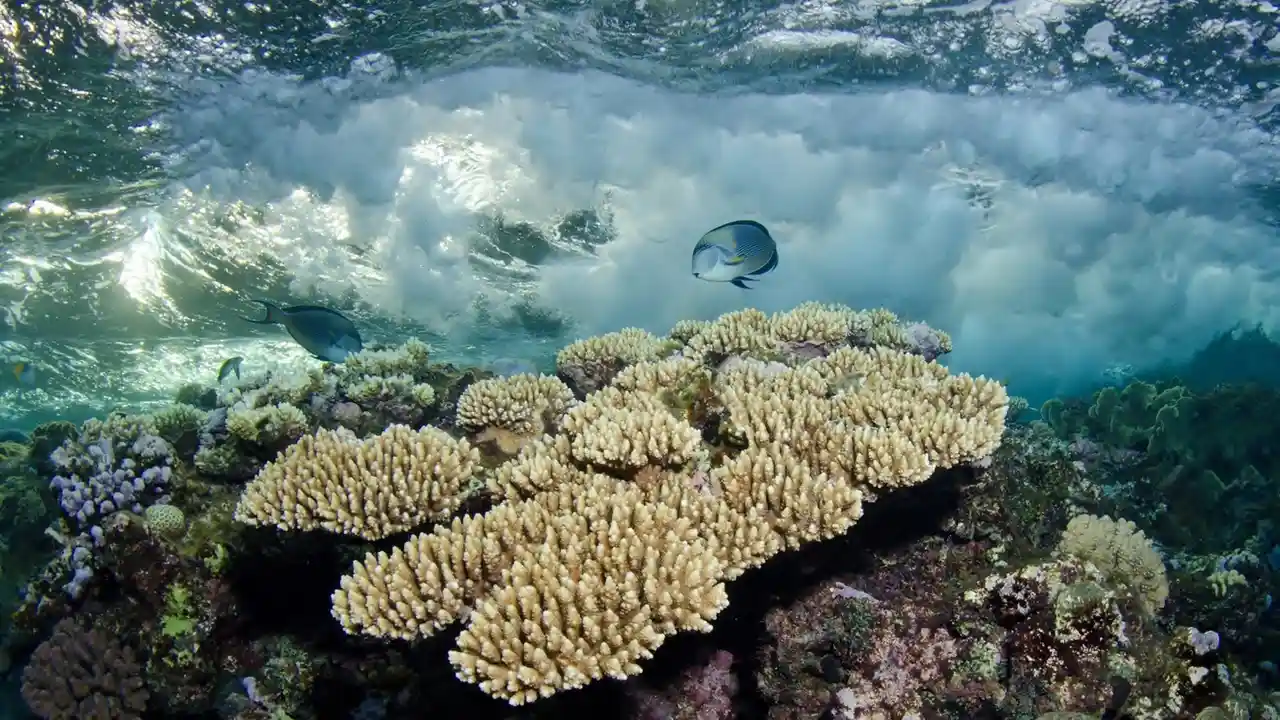
\n\nIf you want to capture expansive reefscapes, massive schools of fish, or majestic pelagics like sharks and manta rays, then a wide-angle lens is what you need. These lenses allow you to include a large portion of the scene in your frame, making them perfect for environmental portraits and capturing the overall beauty of the underwater world.
\n\nKey Features of Underwater Wide-Angle Lenses
\n\n- Wide Field of View: The wider, the better for capturing large subjects or vast scenes.
- Sharpness (especially at edges): Important for maintaining detail across the entire frame.
- Minimum Focus Distance: A short minimum focus distance allows you to get closer to your subject, which is crucial for reducing the amount of water between your lens and the subject, thus improving clarity and color.
- Compatibility with Dome Ports: Essential for correcting refraction and maintaining the lens's wide angle of view.
Recommended Wide-Angle Lenses and Usage Scenarios
\n\nNikon AF-S Nikkor 8-15mm f/3.5-4.5E ED Fisheye (Full-Frame Fisheye)
\n\nWhile technically a fisheye, this lens is incredibly versatile and can be used for both circular and full-frame fisheye effects. It's super wide and great for capturing large subjects or dramatic reef scenes. It's a popular choice for full-frame Nikon shooters.
\n\n- Usage Scenario: Ideal for close-focus wide-angle shots of sharks, wrecks, or large schools of fish. Also great for creative circular fisheye shots.
- Pros: Extremely wide, versatile, excellent image quality.
- Cons: Fisheye distortion can be challenging to manage for some subjects.
- Approximate Price: $1,000 - $1,200 (new)
Canon EF 8-15mm f/4L Fisheye USM (Full-Frame Fisheye)
\n\nCanon's answer to the Nikon 8-15mm, this lens offers similar versatility and performance. It's an L-series lens, so you can expect top-notch build quality and optics. It's a fantastic choice for Canon full-frame users looking for a super-wide option.
\n\n- Usage Scenario: Similar to the Nikon 8-15mm, it excels at capturing large subjects and dramatic underwater landscapes.
- Pros: Very wide, excellent image quality, robust build.
- Cons: Fisheye distortion.
- Approximate Price: $1,100 - $1,300 (new)
Tokina AT-X 10-17mm f/3.5-4.5 DX Fisheye (APS-C Fisheye)
\n\nThis is a legendary lens for APS-C crop sensor cameras. It's incredibly popular due to its wide field of view, excellent sharpness, and relatively affordable price. It's a rectilinear fisheye, meaning it corrects for some of the fisheye distortion at the longer end of its zoom range.
\n\n- Usage Scenario: A go-to lens for APS-C users wanting to shoot wide-angle. Perfect for reefscapes, divers, and larger marine life.
- Pros: Very wide, sharp, relatively affordable, versatile.
- Cons: Only for APS-C cameras.
- Approximate Price: $400 - $500 (new)
Olympus M.Zuiko Digital ED 7-14mm f/2.8 PRO (for Micro Four Thirds)
\n\nFor Micro Four Thirds shooters, this is a fantastic wide-angle zoom. It's sharp, has a fast aperture, and provides an equivalent field of view of 14-28mm on a full-frame camera. It's a professional-grade lens that delivers excellent results.
\n\n- Usage Scenario: Great for general wide-angle photography, including reef scenes, divers, and larger marine animals.
- Pros: Excellent image quality, fast aperture, versatile zoom range.
- Cons: Can be a bit bulky for a M4/3 lens.
- Approximate Price: $1,100 - $1,200 (new)
Wet Wide-Angle Lenses and Conversion Lenses Expanding Your View
\n\nSimilar to wet macro lenses, wet wide-angle lenses (or wide-angle conversion lenses) attach to the front of your port, usually a flat port, to provide a wider field of view. These are particularly popular with compact cameras and some mirrorless setups that might not have dedicated wide-angle lens options or for those who want to switch between macro and wide-angle on the same dive without changing ports.
\n\nNauticam WWL-1 (Wide Wet Lens)
\n\nThe Nauticam WWL-1 is a game-changer for many compact and mirrorless camera users. It offers an incredibly wide 130-degree angle of view with full zoom through capability and excellent optical quality. It's designed to work with a variety of lenses and provides stunning wide-angle results.
\n\n- Usage Scenario: Ideal for compact camera users or mirrorless users who want a high-quality, versatile wide-angle option that can be attached/removed underwater. Perfect for reefscapes, wrecks, and large marine life.
- Pros: Super wide, excellent image quality, full zoom through, can be attached/removed underwater.
- Cons: Expensive, can be bulky.
- Approximate Price: $1,500 - $1,700
Inon UWL-H100 Type 2
\n\nThe Inon UWL-H100 is another popular wet wide-angle option, especially for compact cameras. It offers a good wide-angle view and is more affordable than the WWL-1. It often requires a dome unit (like the Inon Dome Lens Unit II for UWL-H100) to achieve its widest angle and best performance.
\n\n- Usage Scenario: A great entry-level wet wide-angle lens for compact camera users. Good for general wide-angle shots.
- Pros: More affordable, good wide-angle view.
- Cons: Requires a separate dome unit for optimal performance, not as wide as WWL-1.
- Approximate Price: Lens: $300 - $400, Dome Unit: $200 - $300
Fisheye Lenses for Underwater Photography Creative and Expansive Views
\n\nFisheye lenses are a specialized type of ultra-wide-angle lens that produce strong visual distortion, creating a wide panoramic or hemispherical image. They are fantastic for creative shots, getting extremely close to large subjects, or capturing the entire scene in a single frame. While some wide-angle lenses have fisheye characteristics, dedicated fisheye lenses offer the most extreme wide-angle views.
\n\nKey Features of Underwater Fisheye Lenses
\n\n- Extreme Wide Angle: Often 180 degrees or more.
- Distortion: The characteristic curved lines and exaggerated perspective.
- Close Minimum Focus Distance: Allows you to get very close to your subject, which is crucial for clarity underwater.
Recommended Fisheye Lenses and Usage Scenarios
\n\nMany of the fisheye lenses mentioned in the wide-angle section (like the Nikon 8-15mm and Canon 8-15mm) are excellent choices for underwater fisheye photography. Here's another popular one for APS-C users:
\n\nSigma 15mm f/2.8 EX DG Diagonal Fisheye (Full-Frame Fisheye)
\n\nThis is a classic full-frame fisheye lens that's been around for a while but still delivers excellent results. It provides a 180-degree diagonal field of view on full-frame cameras and is known for its sharpness and good color rendition.
\n\n- Usage Scenario: Great for capturing large subjects like whale sharks or manta rays where you want to get very close and include a lot of the surrounding environment. Also fantastic for creative split shots (half in, half out of water).
- Pros: Very wide, good image quality, relatively affordable for a full-frame fisheye.
- Cons: Fixed focal length, strong distortion.
- Approximate Price: $600 - $700 (new)
Zoom Lenses for Underwater Photography Versatility and Flexibility
\n\nWhile prime lenses (fixed focal length) are often favored for their sharpness and simplicity, zoom lenses offer incredible versatility, allowing you to frame your shot without having to physically move closer or further from your subject. This can be a huge advantage underwater, where movement is often restricted.
\n\nKey Considerations for Underwater Zoom Lenses
\n\n- Zoom Range: Consider if you need a wide-to-standard zoom or a standard-to-telephoto zoom.
- Aperture: A constant, fast aperture (e.g., f/2.8) is desirable for low light and subject separation.
- Port Compatibility: Zoom lenses often require specific zoom gears and larger dome ports, which can add to the cost and bulk.
Recommended Zoom Lenses and Usage Scenarios
\n\nNikon AF-S Nikkor 16-35mm f/4G ED VR
\n\nThis is a popular wide-angle zoom for full-frame Nikon users. It offers a versatile range for wide-angle photography and is known for its sharpness. While not as wide as a fisheye, it provides a more rectilinear (less distorted) view.
\n\n- Usage Scenario: Excellent for general wide-angle photography, including reefscapes, divers, and larger marine life where you want some flexibility in framing.
- Pros: Versatile zoom range, good image quality, less distortion than a fisheye.
- Cons: Not as wide as a fisheye, f/4 aperture might be limiting in very low light.
- Approximate Price: $900 - $1,000 (new)
Canon EF 16-35mm f/4L IS USM
\n\nCanon's equivalent, this lens is also a strong performer. It's an L-series lens, offering excellent optics and build quality. It's a great choice for Canon full-frame users looking for a versatile wide-angle zoom.
\n\n- Usage Scenario: Similar to the Nikon 16-35mm, it's a workhorse for wide-angle underwater photography, offering flexibility in composition.
- Pros: Excellent image quality, versatile zoom range, robust build.
- Cons: Not as wide as a fisheye.
- Approximate Price: $900 - $1,000 (new)
Sony FE 16-35mm f/4 ZA OSS (for Sony E-mount)
\n\nFor Sony full-frame mirrorless users, this Zeiss-designed lens is a fantastic wide-angle zoom. It's compact, sharp, and offers a versatile range for underwater photography.
\n\n- Usage Scenario: Ideal for Sony mirrorless users who want a high-quality, versatile wide-angle zoom for various underwater scenes.
- Pros: Excellent image quality, compact, versatile.
- Cons: f/4 aperture.
- Approximate Price: $1,200 - $1,300 (new)
Choosing the Right Lens for Your Underwater Photography Style
\n\nSo, how do you decide which lens is right for you? It really boils down to what you love to shoot and what kind of stories you want to tell with your images.
\n\nFor the Macro Enthusiast
\n\nIf you're all about the tiny details, the hidden creatures, and the intricate beauty of the reef, then a dedicated macro lens (like the 100mm or 105mm options) is a must-have. Consider adding a wet macro diopter (SMC-1/2 or Inon UCL series) if you want to delve into super macro and capture subjects that are truly minuscule. Remember, good lighting (strobes or video lights) is absolutely crucial for macro photography to bring out those vibrant colors and details.
\n\nFor the Wide-Angle Lover
\n\nIf you dream of capturing expansive reefscapes, majestic pelagics, or dramatic wrecks, then a wide-angle or fisheye lens is your best friend. Fisheye lenses offer the most extreme wide-angle views and are fantastic for getting very close to large subjects. Rectilinear wide-angle zooms (like the 16-35mm options) offer a more natural perspective with less distortion, which can be great for environmental portraits or when you want to include divers in your shot. Don't forget a good dome port for these lenses to ensure optimal image quality.
\n\nFor the Versatile Shooter
\n\nIf you like to switch between subjects on the same dive, or if you're just starting out and want a versatile setup, a wet wide-angle conversion lens (like the Nauticam WWL-1 or Inon UWL-H100) paired with a compact or mirrorless camera can be an excellent choice. This allows you to shoot both macro (with your camera's native macro capabilities or a wet diopter) and wide-angle on the same dive without having to change your port.
\n\nBeyond the Lens Essential Accessories for Optimal Performance
\n\nHaving the right lens is only part of the equation. To truly maximize your lens's potential underwater, you'll need some essential accessories:
\n\nDome Ports and Flat Ports
\n\nAs mentioned, dome ports are crucial for wide-angle lenses to correct for refraction and maintain the lens's original field of view. Flat ports are typically used for macro lenses, as they provide magnification. Ensure your port is compatible with your housing and lens.
\n\nStrobes and Video Lights
\n\nNatural light diminishes rapidly underwater, and colors are absorbed. Strobes (for still photography) and video lights (for video and focus assist) are essential for bringing back those vibrant colors and adding dimension to your images. For wide-angle, you'll often use two strobes to evenly light the scene. For macro, one or two strobes are typically used, often positioned very close to the subject.
\n\nFocus Lights
\n\nUnderwater, especially in low light or for macro subjects, your camera's autofocus can struggle. A dedicated focus light helps your camera lock onto your subject quickly and accurately.
\n\nLens Caddies and Holders
\n\nIf you're using wet lenses (macro diopters or wide-angle converters), lens caddies or holders that attach to your housing or strobe arms are incredibly useful. They allow you to securely store your wet lens when not in use and easily attach/detach it underwater.
\n\nMaintenance and Care Protecting Your Investment
\n\nUnderwater photography gear is a significant investment, and proper maintenance is key to its longevity. Lenses, especially, need careful handling.
\n\n- Rinse Thoroughly: After every dive, rinse your housing and lens (if it's a wet lens) thoroughly with fresh water to remove salt and debris.
- Dry Properly: Allow everything to air dry completely before storing. Avoid direct sunlight.
- Clean Lens Elements: Use a soft, lint-free cloth and lens cleaning solution to gently clean lens elements. Avoid touching the glass with your fingers.
- Check O-rings: Regularly inspect the O-rings on your ports for any signs of damage, cracks, or debris. Lubricate them as per the manufacturer's instructions.
- Store Safely: Store your lenses in a dry, cool place, ideally with desiccant packets to prevent mold or fungus growth.
Choosing the right lens for your underwater photography journey is an exciting step. By understanding the characteristics of different lenses and considering your preferred subjects, you'll be well on your way to capturing breathtaking images of the underwater world. Happy shooting!
" } ] }:max_bytes(150000):strip_icc()/277019-baked-pork-chops-with-cream-of-mushroom-soup-DDMFS-beauty-4x3-BG-7505-5762b731cf30447d9cbbbbbf387beafa.jpg)