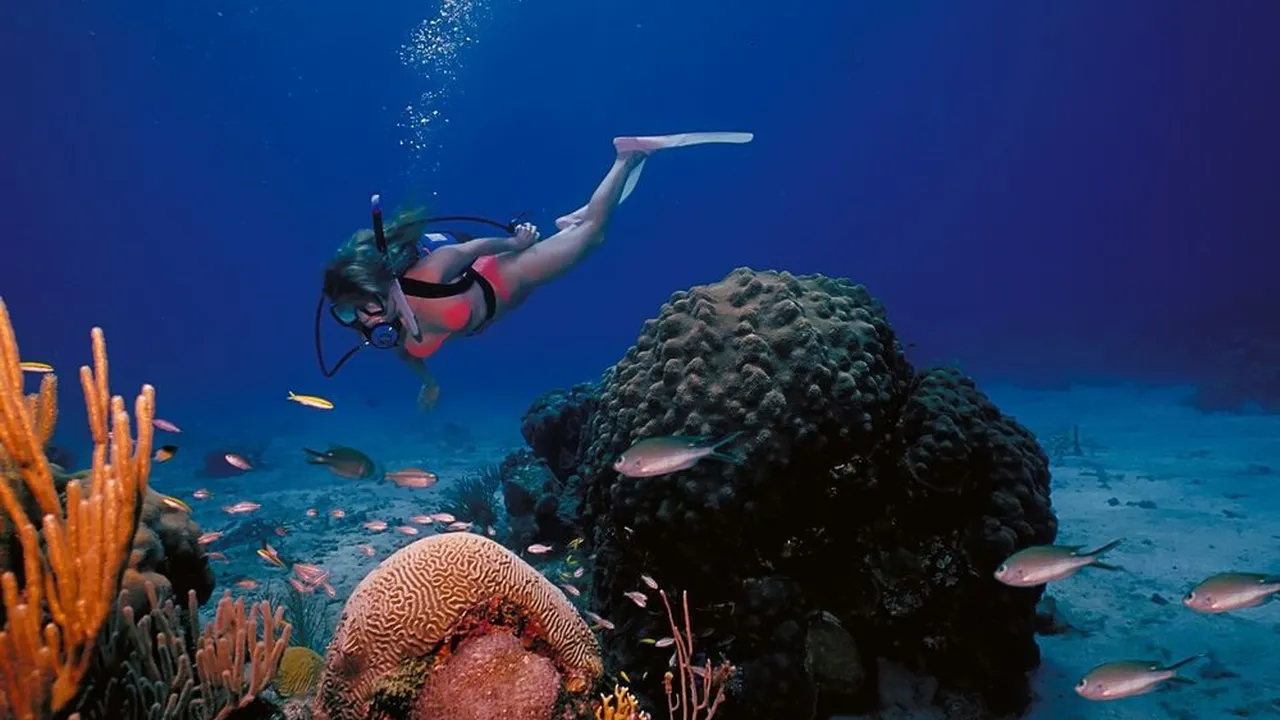
Top Scuba Diving Refresher Courses Why They Matter
Importance of refresher courses for inactive divers to brush up on skills and safety protocols.
Importance of refresher courses for inactive divers to brush up on skills and safety protocols.
Top Scuba Diving Refresher Courses Why They Matter
Hey there, fellow divers! Ever found yourself staring at your dive gear, feeling a little rusty after a long break? Maybe life got in the way, or perhaps you just haven't had the chance to get wet in a while. It happens to the best of us! But here's the thing: scuba diving, while incredibly fun and rewarding, is also an activity that requires sharp skills and a clear understanding of safety protocols. That's where scuba diving refresher courses come into play. They're not just for beginners who've forgotten how to clear a mask; they're for anyone who wants to dive safely and confidently after a period of inactivity. Let's dive deep into why these courses are so crucial and what you can expect from them.
Why a Scuba Refresher Course is Your Best Friend After a Break
Think of it like riding a bike. You never truly forget, right? But if you haven't ridden in years, you might feel a bit wobbly at first. Scuba diving is similar, but with higher stakes. Your muscle memory for skills like buoyancy control, mask clearing, and regulator recovery might be a bit sluggish. More importantly, your recall of emergency procedures, dive planning, and buddy checks could be hazy. A refresher course helps you:
- Brush Up on Essential Skills: Re-familiarize yourself with critical in-water skills in a controlled environment.
- Boost Your Confidence: Shake off the rust and feel more secure about your abilities before your next dive trip.
- Stay Safe: Relearn and reinforce safety procedures, ensuring you're prepared for any situation.
- Update Your Knowledge: Get up to speed on any new techniques or equipment advancements.
- Meet Dive Operator Requirements: Many dive centers require a refresher if you haven't dived in a certain period (e.g., 6 months to 2 years).
What to Expect from a Scuba Refresher Course Dive Skills Review
While the exact content can vary slightly depending on the certification agency (PADI, SSI, etc.) and the dive center, most refresher courses follow a similar structure. They typically involve a knowledge review and a confined water (pool or calm, shallow water) session. Some might even offer an optional open water dive.
Knowledge Review Revisit Your Dive Theory
This part usually involves going over key concepts from your initial Open Water Diver course. You might watch a video, read through a manual, or answer some quick quizzes. Topics covered often include:
- Dive Planning: Understanding dive tables or dive computers, no-decompression limits, and surface intervals.
- Equipment Assembly and Pre-Dive Checks: How to properly set up your gear and perform a thorough buddy check.
- Dive Physics and Physiology: A quick recap of how pressure affects your body and air consumption.
- Emergency Procedures: What to do in out-of-air situations, equipment malfunctions, and other emergencies.
- Marine Life Interaction: Reminders about responsible diving and protecting the underwater environment.
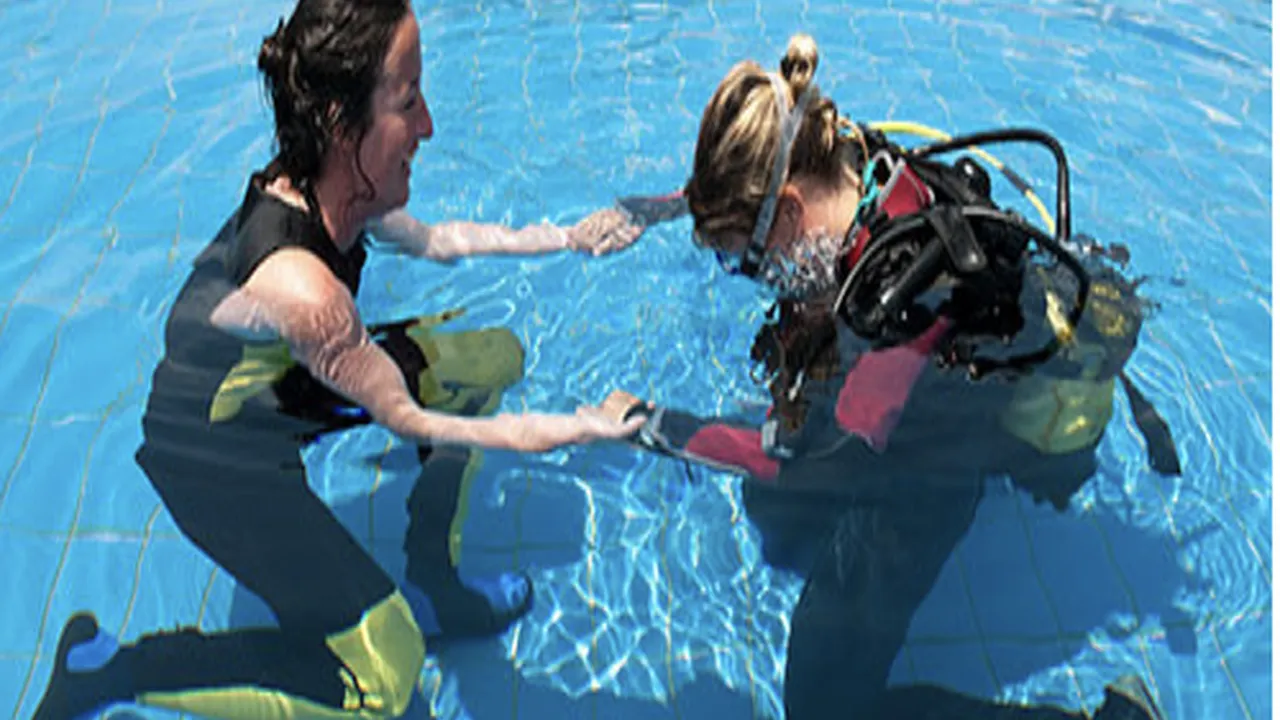
Confined Water Session Practical Skill Practice
This is where you get wet and practice those essential skills. An instructor will guide you through a series of exercises, often including:
- Equipment Assembly and Disassembly: Setting up and breaking down your gear efficiently.
- Pre-Dive Safety Check (BWRAF): Practicing the buddy check routine.
- Entry and Exit Techniques: Reviewing giant stride, seated entry, or other common entries.
- Buoyancy Control: Mastering neutral buoyancy, hovering, and fin pivots. This is arguably one of the most important skills to refine!
- Mask Clearing: Removing water from your mask, both partially and fully flooded.
- Regulator Recovery and Clearing: Retrieving a lost regulator and clearing it of water.
- Alternate Air Source Use: Practicing sharing air with a buddy.
- Cramp Removal: How to deal with leg cramps underwater.
- Controlled Emergency Swimming Ascent (CESA): A simulated emergency ascent to the surface.
- Weight Check: Ensuring you have the correct amount of weight for neutral buoyancy.
Optional Open Water Dive Apply Your Skills
Some refresher courses offer an optional open water dive. This is a fantastic way to apply the skills you've reviewed in a real-world diving scenario, under the direct supervision of an instructor. It helps bridge the gap between pool practice and actual diving, making you feel even more prepared for your next adventure.
Choosing the Right Refresher Course Provider and What to Look For
Most dive centers affiliated with major certification agencies like PADI, SSI, NAUI, and SDI offer refresher courses. Here's what to consider when choosing one:
- Certification Agency: While your original certification agency might be a good starting point, most refreshers are universally applicable.
- Instructor Experience: Look for experienced and patient instructors who can tailor the session to your needs.
- Class Size: Smaller groups often mean more personalized attention.
- Equipment Rental: Check if equipment rental is included in the price, or if you need to bring your own.
- Location and Facilities: Ensure the pool or confined water area is suitable for skill practice.
- Reviews: Read reviews from other divers to gauge the quality of the course and instructors.
Specific Refresher Course Options and Their Features
Let's look at some of the popular refresher programs offered by leading agencies:
PADI ReActivate Program Your Digital Dive Refresher
PADI's ReActivate program is super flexible. It combines an online knowledge review with an in-water skills session. You can complete the knowledge portion at your own pace, anywhere with an internet connection. The in-water session is then conducted with a PADI Professional. If you complete both parts, you get a replacement certification card with a 'ReActivated' date, showing dive operators you're current.
- Key Features: Online knowledge review, personalized skill practice, optional new certification card.
- Target Audience: Divers who haven't dived in a while and want a structured, recognized refresher.
- Estimated Cost: Varies by dive center, but typically ranges from $100 - $200 USD, often excluding gear rental.
SSI Scuba Skills Update Get Back in the Water Confidently
SSI's Scuba Skills Update is designed to refresh your diving knowledge and skills. It focuses on practical application in a pool or confined water environment. Like PADI, SSI emphasizes personalized attention to ensure you regain comfort and proficiency. They also have digital learning options for the knowledge review.
- Key Features: Flexible scheduling, focus on practical skills, digital learning available.
- Target Audience: Divers seeking a hands-on refresher to regain confidence.
- Estimated Cost: Similar to PADI, usually between $100 - $200 USD, plus potential gear rental.
NAUI Scuba Refresher Course Reaffirming Your Dive Readiness
NAUI offers a comprehensive Scuba Refresher course that reviews both academic knowledge and in-water skills. NAUI's approach often emphasizes a thorough understanding of dive theory alongside practical application. It's a great option for those who appreciate a strong theoretical foundation.
- Key Features: Strong emphasis on academic review, comprehensive skill practice.
- Target Audience: Divers who want a robust review of both theory and practical skills.
- Estimated Cost: Generally in the $100 - $200 USD range, depending on the facility.
SDI Scuba Review Program Your Path to Renewed Confidence
SDI's Scuba Review program is another excellent choice for divers looking to refresh their skills. It's designed to be adaptable to the individual diver's needs, allowing instructors to focus on areas where you might need more practice. It covers all the essential skills and knowledge to get you back in the water safely.
- Key Features: Flexible and adaptable to individual needs, covers all core skills.
- Target Audience: Divers of all experience levels needing a skill and knowledge refresh.
- Estimated Cost: Typically $100 - $200 USD, with variations based on location and inclusions.
When Should You Consider a Scuba Refresher Course How Long is Too Long
There's no hard and fast rule, but here are some common guidelines:
- 6 Months to 1 Year Inactivity: If it's been this long, a quick review of skills and knowledge is highly recommended. You might feel okay, but a refresher can iron out any subtle rustiness.
- 1 to 2 Years Inactivity: Most dive operators will strongly recommend or even require a refresher. Your skills will definitely be dull, and your recall of emergency procedures might be compromised.
- More Than 2 Years Inactivity: A refresher course is almost certainly required by dive centers. At this point, you'll likely need to re-learn many skills and concepts. Some might even suggest considering a full Open Water re-certification if it's been many, many years.
- Before a Challenging Dive Trip: Even if you dive regularly, if you're heading to a challenging destination (e.g., strong currents, deep dives, wreck diving), a refresher focusing on specific skills can be incredibly beneficial.
- Feeling Unconfident: If you simply don't feel confident about your skills, regardless of how recently you've dived, a refresher is a great idea.
Beyond the Refresher Maintaining Your Dive Skills and Knowledge
A refresher course is a great way to get back on track, but consistent diving and continuous learning are key to maintaining your skills. Here are some tips:
- Dive Regularly: The more you dive, the more ingrained your skills become.
- Practice Skills: Even on fun dives, take a few minutes to practice buoyancy, mask clearing, or regulator recovery in a safe, controlled manner.
- Take Advanced Courses: Courses like Advanced Open Water, Peak Performance Buoyancy, or Rescue Diver will significantly enhance your skills and confidence.
- Stay Informed: Read dive magazines, follow dive blogs, and keep up with new equipment and safety recommendations.
- Buddy Up Wisely: Dive with experienced and responsible buddies who can help you stay sharp.
Ultimately, a scuba diving refresher course is an investment in your safety and enjoyment. It's a small price to pay for the peace of mind that comes with knowing you're a competent and confident diver. So, if you've been out of the water for a bit, don't hesitate to sign up for one. Your next amazing underwater adventure awaits, and you'll be ready for it!
:max_bytes(150000):strip_icc()/277019-baked-pork-chops-with-cream-of-mushroom-soup-DDMFS-beauty-4x3-BG-7505-5762b731cf30447d9cbbbbbf387beafa.jpg)