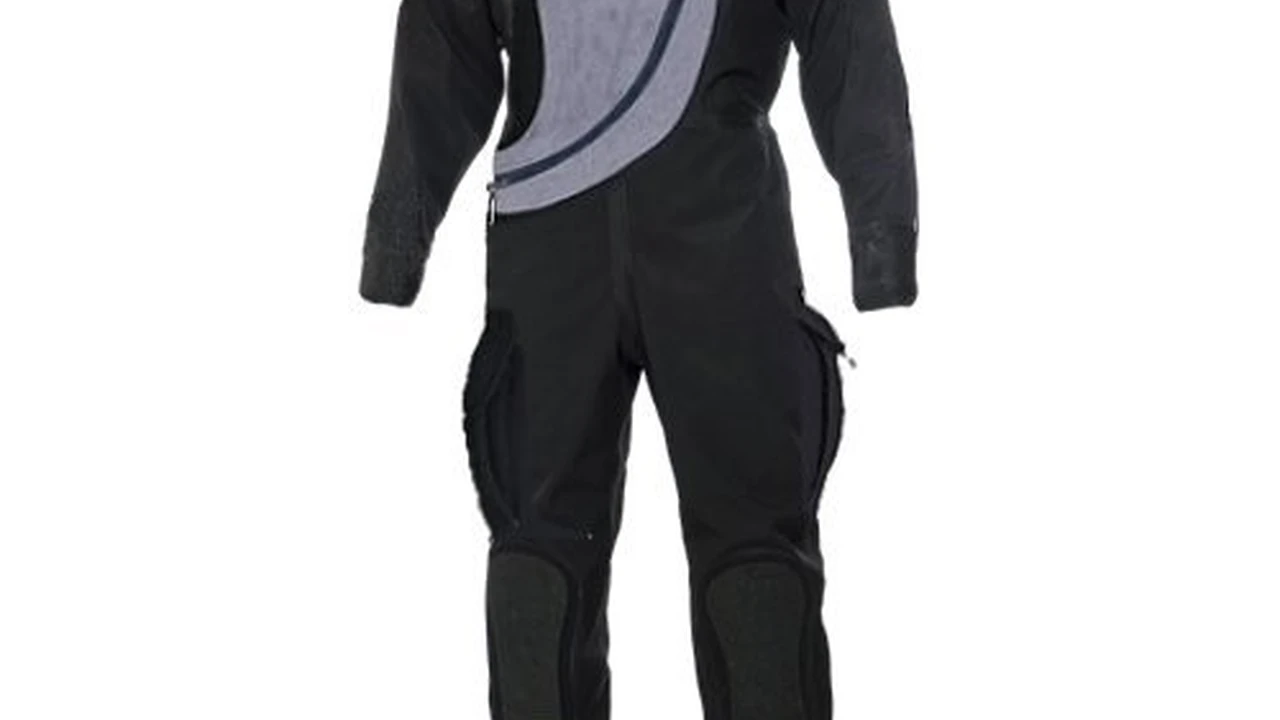
Scuba Diving Weight Systems A Comprehensive Guide
Understand different weight systems and how to properly weight yourself for optimal buoyancy control.
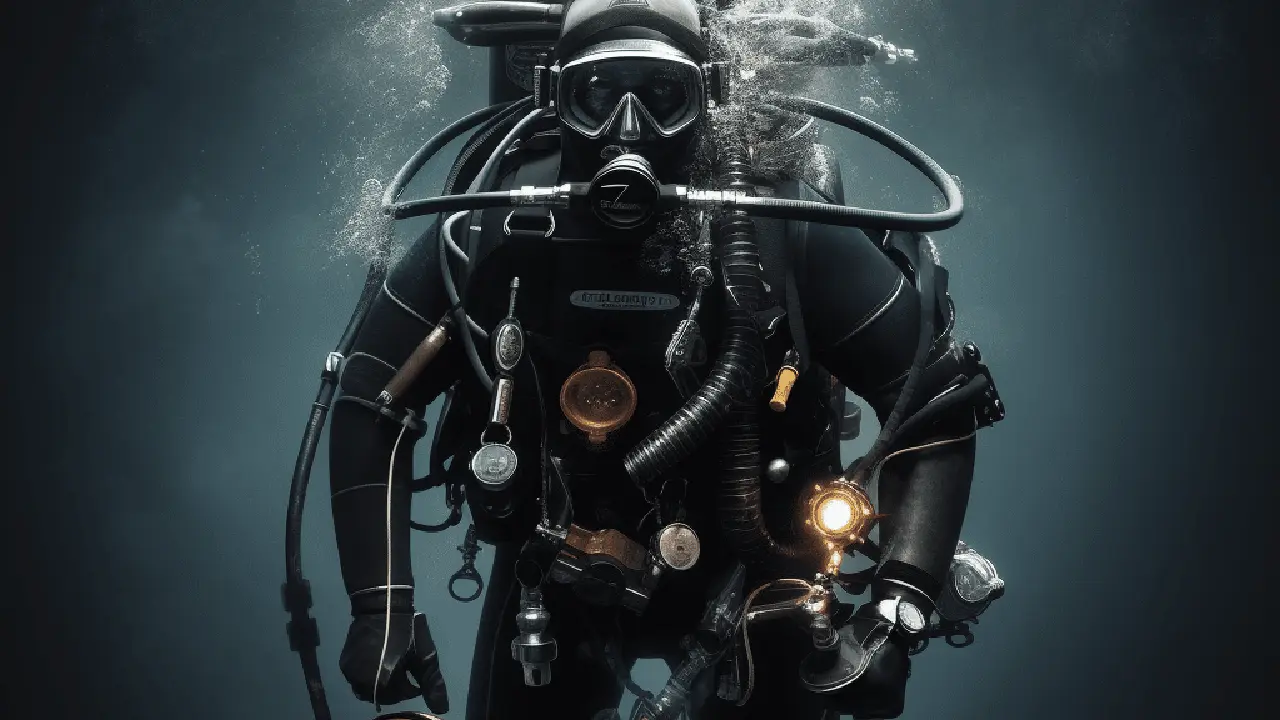
Understand different weight systems and how to properly weight yourself for optimal buoyancy control.
Scuba Diving Weight Systems A Comprehensive Guide
Understanding Buoyancy Control in Scuba Diving
Hey there, fellow divers! Let's talk about something super important for every single one of us, whether you're just starting out or you've got hundreds of dives under your belt: buoyancy control. It's not just about looking graceful underwater; it's about safety, conserving air, protecting the marine environment, and ultimately, having a more enjoyable dive. And at the heart of good buoyancy control? Your weight system. Getting your weighting right is absolutely crucial. Too much weight, and you're sinking like a stone, struggling to stay off the bottom, kicking up silt, and burning through your air. Too little, and you're fighting to descend, or worse, you can't stay down at all. It's a delicate balance, and finding your sweet spot is key to becoming a truly comfortable and efficient diver.
Types of Scuba Diving Weight Systems Exploring Your Options
When it comes to weight systems, you've got a few different options, each with its own pros and cons. Let's break them down so you can figure out what might work best for your diving style and gear setup.
Integrated Weight Systems The Modern Choice
Integrated weight systems are probably the most popular choice these days, especially with newer BCDs (Buoyancy Control Devices). Instead of a separate weight belt, your BCD has pockets designed to hold lead weights, usually in soft pouches. This distributes the weight more evenly around your torso, which can be way more comfortable than a belt digging into your hips. Plus, most integrated systems have a quick-release mechanism, so you can ditch your weights easily in an emergency. This is a huge safety feature.
Pros of Integrated Weight Systems
- Comfort: Spreads weight evenly, reducing pressure points.
- Streamlined: No dangling belt, less drag.
- Safety: Easy quick-release for emergencies.
- Stability: Less shifting of weights during the dive.
Cons of Integrated Weight Systems
- Cost: BCDs with integrated weights can sometimes be pricier.
- Bulk: Can make the BCD a bit bulkier when packed.
- Weight Capacity: Some systems might have limits on how much weight they can hold.
Recommended Integrated Weight System BCDs
If you're looking for a BCD with a great integrated weight system, here are a few solid choices:
1. Aqua Lung Pro HD BCD
- Description: This is a super popular BCD for a reason. It's durable, comfortable, and its SureLock II Mechanical Weight Release System is incredibly reliable and easy to use. You just pull a handle, and the weights drop. Simple, effective, and safe.
- Weight Capacity: Typically holds up to 20 lbs (9 kg) in sizes XS-ML and 30 lbs (13.5 kg) in L-XXL.
- Ideal for: Recreational divers, beginners, and those who prioritize ease of use and comfort.
- Price Range: Around $450 - $550 USD.
- Why we like it: The SureLock II system is a standout feature. It's intuitive and gives you peace of mind. Plus, the BCD itself is robust and has plenty of D-rings and pockets.
2. Cressi Aquaride BCD
- Description: Cressi is known for quality, and the Aquaride is no exception. It features a C-Trim System for integrated weights, which is also very secure and easy to release. It's a comfortable jacket-style BCD that offers good lift.
- Weight Capacity: Varies by size, generally around 15-25 lbs (7-11 kg).
- Ideal for: Divers looking for a reliable, comfortable, and well-built BCD with a secure weight system.
- Price Range: Around $400 - $500 USD.
- Why we like it: The C-Trim system is well-designed, and the overall fit and finish of the Aquaride are excellent. It's a great all-rounder.
3. Zeagle Stiletto BCD
- Description: Zeagle BCDs are known for their modularity and durability. The Stiletto is a popular choice for travel and recreational diving, featuring their Ripcord Weight Release System. This system allows for a single pull to release all weights, which is incredibly fast and efficient in an emergency.
- Weight Capacity: Up to 24 lbs (11 kg) in the main pockets, plus optional trim pockets.
- Ideal for: Divers who appreciate robust construction, modularity, and a very quick weight release system.
- Price Range: Around $550 - $650 USD.
- Why we like it: The Ripcord system is unique and highly effective. Zeagle BCDs are built to last, making this a good long-term investment.
Weight Belts The Traditional Approach
The classic weight belt is what most of us started with. It's a simple nylon belt with lead weights threaded onto it. They're inexpensive, easy to adjust, and widely available. You can use hard lead bricks or soft lead shot pouches. While they might not be as comfortable as integrated systems for some, they're still a perfectly viable option, especially if you're renting gear or prefer a minimalist setup.
Pros of Weight Belts
- Affordable: Generally the cheapest option.
- Simple: Easy to use and adjust.
- Versatile: Can be used with any BCD.
- Quick Donning: Easy to put on and take off.
Cons of Weight Belts
- Comfort: Can dig into hips, especially with heavy weights.
- Stability: Can shift or slide around during the dive.
- Less Streamlined: Can create more drag.
Recommended Weight Belts and Weights
If you're sticking with a weight belt, here's what to look for:
1. XS Scuba Standard Weight Belt with Plastic Buckle
- Description: This is your basic, no-frills weight belt. Durable nylon webbing with a strong plastic buckle. It's reliable and gets the job done.
- Ideal for: Beginners, rental gear, or divers who prefer simplicity and affordability.
- Price Range: Around $20 - $30 USD (belt only).
- Why we like it: It's a workhorse. Simple, effective, and won't break the bank.
2. Mares Rubber Weight Belt
- Description: Unlike nylon, rubber belts are elastic. This means they compress with your wetsuit as you descend, preventing the belt from becoming loose. This is a huge advantage for comfort and stability.
- Ideal for: Divers using wetsuits, especially thicker ones, who want a more secure and comfortable fit.
- Price Range: Around $40 - $60 USD (belt only).
- Why we like it: The elasticity is a game-changer for wetsuit diving. No more constantly adjusting your belt!
3. Soft Lead Shot Pouches (e.g., Sea Pearls Soft Weights)
- Description: These are fabric pouches filled with lead shot. They're more comfortable than hard lead bricks, conform better to your body, and are less likely to damage boat decks or gear.
- Weight Increments: Typically available in 1 lb, 2 lb, 3 lb, 4 lb, and 5 lb increments.
- Ideal for: Both weight belts and integrated weight systems. Great for fine-tuning your weighting.
- Price Range: Around $5 - $8 USD per pound.
- Why we like them: Comfort and versatility. They're much nicer to handle than hard lead.
Ankle Weights and Trim Weights Fine-Tuning Your Balance
Sometimes, your main weight system isn't enough to achieve perfect trim (your horizontal position in the water). This is where ankle weights or trim weights come in. Ankle weights can help if you find your feet floating up, while trim pockets (small pockets on the back of your BCD, often near the tank) can help shift your center of gravity for better horizontal trim. These are usually used for small amounts of weight, typically 1-2 lbs per pocket.
Pros of Ankle and Trim Weights
- Improved Trim: Helps achieve a more horizontal swimming position.
- Balance: Corrects issues with feet floating up or head sinking.
- Fine-Tuning: Allows for precise weight distribution.
Cons of Ankle and Trim Weights
- Added Complexity: Another piece of gear to manage.
- Not for Primary Weight: Should only be used for small adjustments, not your main weight.
Recommended Trim Weights
1. XS Scuba Trim Weight Pockets
- Description: These are small, often attachable pockets designed to hold 1-2 lbs of soft lead. Many BCDs have D-rings or straps where these can be added.
- Ideal for: Divers who need to fine-tune their trim, especially if they find their feet floating up.
- Price Range: Around $15 - $25 USD per pair (pockets only).
- Why we like them: Simple, effective, and can make a big difference in your underwater posture.
How to Properly Weight Yourself The Buoyancy Check
This is the million-dollar question, right? How much weight do you actually need? It's not a one-size-fits-all answer. Your ideal weight depends on several factors:
- Your Body Composition: Muscle sinks, fat floats.
- Exposure Suit: Wetsuits are buoyant, especially thicker ones. Drysuits are even more so.
- Tank Type: Aluminum tanks become buoyant as they empty; steel tanks stay negative or neutral.
- Water Type: Saltwater is more buoyant than freshwater.
- Gear: Some gear (like heavy fins) can affect your buoyancy.
The best way to figure out your perfect weighting is through a buoyancy check. Here's how to do it:
- Full Gear, Empty Tank (Almost): Do this at the end of a dive, or with a tank that has about 500 psi (35 bar) left. This simulates your buoyancy at the end of a dive when your tank is lightest.
- Enter the Water: Get in the water with all your gear on, including your BCD, regulator, fins, and mask.
- Deflate BCD: Completely deflate your BCD.
- Hold Breath: Take a normal breath and hold it.
- Observe: You should float at eye level. If you sink, you're overweighted. If you float too high, you're underweighted.
- Exhale: On a full exhale, you should slowly sink. If you still float, you need more weight. If you sink rapidly, you have too much.
- Adjust: Add or remove weight in 2-pound (1 kg) increments until you achieve the desired result.
Remember, this is a starting point. You might need to fine-tune it over a few dives. Always err on the side of being slightly overweighted for your first few dives with a new setup, then gradually reduce it as you get more comfortable.
Common Weighting Mistakes to Avoid
Even experienced divers can make mistakes with weighting. Here are some common pitfalls:
Overweighting The Most Common Error
Many divers, especially beginners, tend to be overweighted. Why? Because it makes it easier to descend. But it's a bad habit. When you're overweighted, you have to constantly add air to your BCD to maintain neutral buoyancy, which means you're fighting against yourself. This leads to:
- Higher Air Consumption: You're using more air to inflate and deflate your BCD.
- Poor Trim: You might be swimming head-down or feet-down to compensate.
- Damage to Environment: You're more likely to hit the bottom or coral.
- Fatigue: It's just more work!
Incorrect Weight Distribution
It's not just about how much weight, but where it is. If all your weight is on your belt, you might find your feet floating up. If it's all in your BCD pockets, you might be too front-heavy. Experiment with trim pockets or even moving weights around in your integrated system to find what feels balanced for you.
Not Accounting for Tank Type
This is a big one! Aluminum tanks are positively buoyant when empty, meaning they float. Steel tanks are usually negatively buoyant even when empty. If you're used to diving with aluminum and switch to steel without adjusting your weight, you'll likely be overweighted. Always re-evaluate your weighting when changing tank materials.
Forgetting Exposure Suit Changes
A 3mm wetsuit is less buoyant than a 5mm, which is less buoyant than a 7mm, and all are less buoyant than a drysuit. If you change your exposure suit, you absolutely need to re-do your buoyancy check. Even a new wetsuit of the same thickness can be more buoyant than an old, compressed one.
Maintaining Your Weight System Tips for Longevity
Your weight system, while seemingly simple, still needs a little love to ensure it lasts and functions safely.
Rinsing and Drying
Always rinse your weight belt or integrated weight pouches with fresh water after every dive, especially if you've been in saltwater. Salt crystals can form and cause wear and tear. Hang them to dry completely in the shade before storing.
Inspecting for Wear and Tear
Regularly check your weight belt webbing for fraying or cuts. For integrated systems, inspect the quick-release buckles and the fabric of the weight pockets for any damage. Make sure the quick-release mechanism is clean and moves freely.
Proper Storage
Store weights in a way that prevents them from damaging other gear. Soft weights can be stored in a gear bag. Hard weights should be kept in a dedicated weight bag or box to prevent them from scratching your BCD or tank.
Advanced Weighting Considerations
As you become a more experienced diver, you might start thinking about more advanced weighting techniques.
Technical Diving Weighting
Technical divers often use backplates and wings, which can be inherently negative or neutral. They also carry multiple tanks, which significantly impacts buoyancy. Their weighting strategies are often more complex, involving precise calculations and sometimes even custom weight plates.
Sidemount Diving Weighting
Sidemount divers carry their tanks on their sides, which changes their center of gravity. They often use trim weights along their spine or on their harness to achieve optimal horizontal trim.
Photography and Videography Weighting
Adding heavy camera rigs can significantly alter your buoyancy. Photographers and videographers often need to adjust their weighting to compensate for the added mass, sometimes even using specialized floats on their camera arms to achieve neutral buoyancy for their setup.
Final Thoughts on Scuba Diving Weight Systems
Mastering your weighting is a journey, not a destination. It might change as your gear changes, as your body changes, or as you dive in different environments. The key is to be mindful of your buoyancy, regularly perform buoyancy checks, and be willing to adjust. A perfectly weighted diver is a comfortable, safe, and environmentally conscious diver. So, go out there, fine-tune your setup, and enjoy those perfectly neutral dives!
:max_bytes(150000):strip_icc()/277019-baked-pork-chops-with-cream-of-mushroom-soup-DDMFS-beauty-4x3-BG-7505-5762b731cf30447d9cbbbbbf387beafa.jpg)