Scuba Diving and Health Benefits for Divers
Understand the physical and mental health advantages of regular scuba diving.
Understand the physical and mental health advantages of regular scuba diving.
Scuba Diving and Health Benefits for Divers
The Physical Perks of Scuba Diving for Your Body
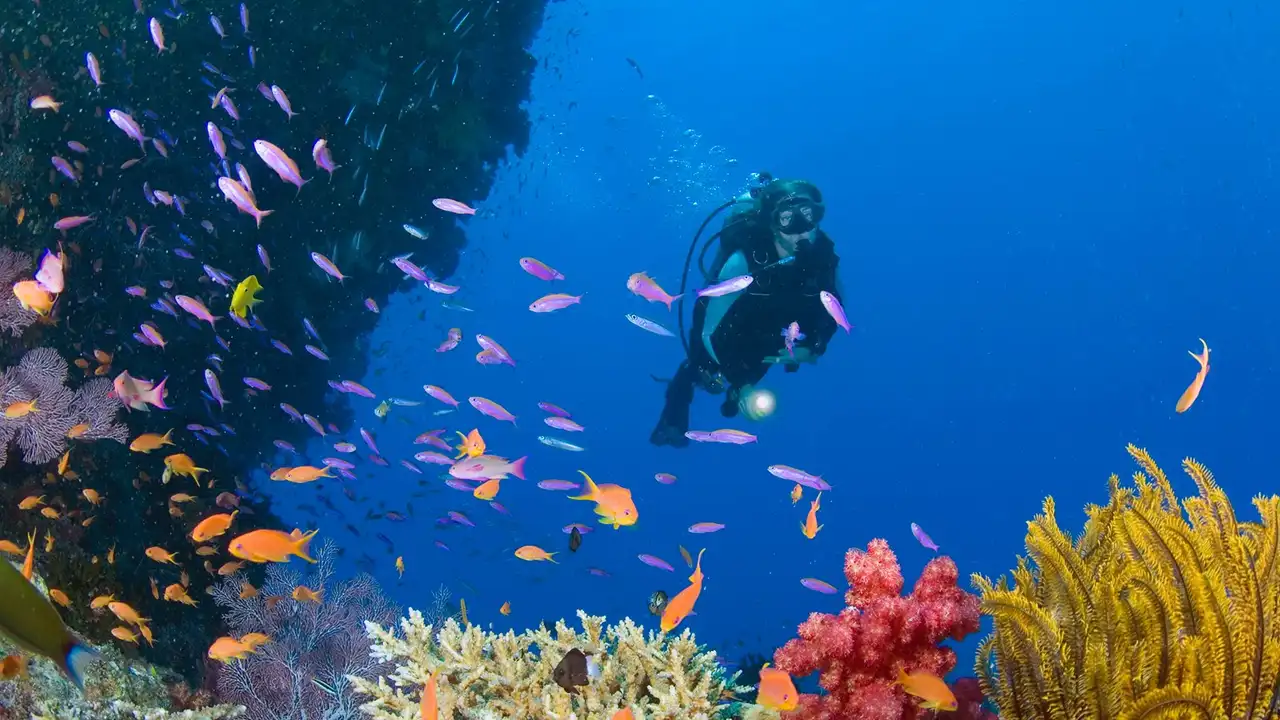
When you think about scuba diving, your mind probably goes straight to vibrant coral reefs, majestic marine life, and the serene blue of the ocean. But beyond the breathtaking beauty, scuba diving offers a surprising array of physical health benefits that often go unnoticed. It's not just a leisurely activity; it's a full-body workout disguised as an adventure.
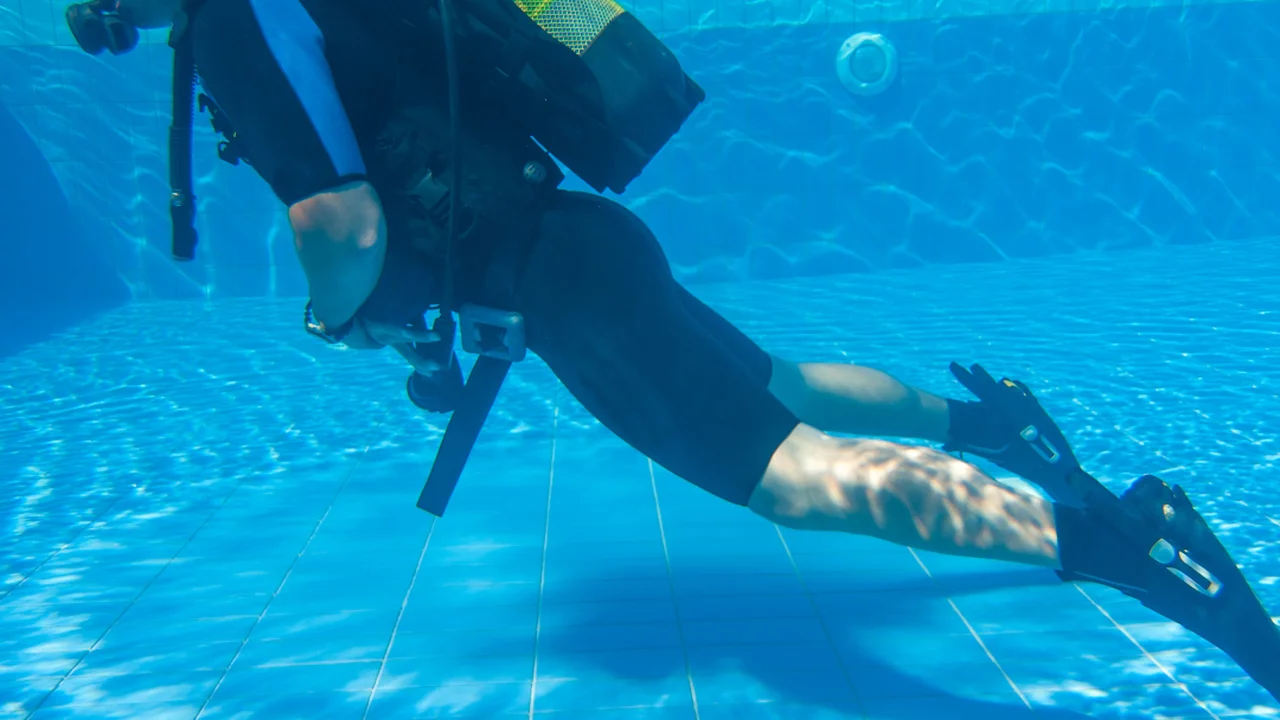
First off, let's talk about cardiovascular health. While you might not be huffing and puffing like you would on a treadmill, the continuous, rhythmic kicking of your fins provides an excellent low-impact cardio workout. This steady exertion helps to strengthen your heart muscle, improve circulation, and lower blood pressure. The resistance of the water means your muscles are working harder than they would on land, but without the jarring impact on your joints. This makes it an ideal exercise for people of all ages, including those with joint issues or recovering from injuries.
Then there's muscle strengthening and endurance. Every movement underwater, from finning to maintaining buoyancy, engages a wide range of muscle groups. Your legs, core, and even your arms are constantly working to propel you and keep you stable. Over time, this leads to increased muscle tone and endurance. Think about how much effort it takes to swim against a gentle current or to maneuver around a coral bommie – it’s all contributing to your physical fitness.
Improved flexibility and range of motion are also significant benefits. The weightlessness experienced underwater allows for a greater range of movement than on land. You can stretch and move your limbs more freely, which can help improve flexibility, especially in your joints and spine. This can be particularly beneficial for individuals who spend a lot of time sitting or have limited mobility.
Respiratory health gets a major boost too. Scuba diving requires controlled, deep breathing, which is excellent for your lungs. The act of breathing compressed air slowly and deeply helps to increase lung capacity and efficiency. This type of diaphragmatic breathing, often taught in yoga and meditation, can also have a calming effect on the nervous system, which we'll delve into more later.
Finally, let's not forget about balance and coordination. Maintaining neutral buoyancy and navigating underwater environments demands a high degree of balance and coordination. You're constantly adjusting your position, finning, and using your BCD to stay perfectly suspended. This continuous practice sharpens your proprioception – your body's awareness of its position in space – which can translate to better balance and coordination in your everyday life.
The Mental and Emotional Advantages of Scuba Diving for Your Mind
Beyond the physical, scuba diving offers a profound impact on mental and emotional well-being. The underwater world is a sanctuary, a place where the stresses of daily life seem to melt away, replaced by a sense of calm and wonder.
Stress reduction is perhaps one of the most immediate and noticeable benefits. The quiet, rhythmic sound of your own breathing, the gentle sway of the water, and the mesmerizing beauty of marine life create an incredibly peaceful environment. It's a form of active meditation. Your focus shifts entirely to the present moment, observing the intricate details of the reef or the graceful movement of a fish. This intense focus on the immediate surroundings helps to quiet the incessant chatter of the mind, reducing anxiety and promoting a sense of tranquility.
Improved focus and concentration are also key. Scuba diving demands your full attention. You need to monitor your gauges, maintain buoyancy, stay aware of your buddy, and observe your surroundings. This constant engagement sharpens your ability to concentrate and stay present. This enhanced focus can then spill over into other areas of your life, improving productivity and mental clarity.
The sense of accomplishment and increased self-confidence that comes with mastering diving skills and exploring new underwater environments is immense. Overcoming challenges, whether it's equalizing your ears, perfecting your buoyancy, or navigating a complex dive site, builds resilience and a belief in your own capabilities. This boost in self-esteem can be incredibly empowering, both in and out of the water.
Scuba diving also offers a unique opportunity for mindfulness and connection with nature. Being immersed in the ocean, surrounded by its incredible biodiversity, fosters a deep appreciation for the natural world. It reminds us of our place within a larger ecosystem and encourages a sense of responsibility towards marine conservation. This connection can be incredibly grounding and spiritually enriching.
For those who struggle with claustrophobia or anxiety, scuba diving can be a powerful tool for overcoming these fears. While it might seem counterintuitive, the controlled environment and the focus on breathing can help individuals gradually expand their comfort zone and build confidence in enclosed spaces. Many divers report a significant reduction in general anxiety after regular diving.
Specific Health Conditions Scuba Diving Can Positively Impact
While scuba diving is not a cure-all, its unique combination of physical and mental benefits can positively impact several health conditions, often serving as a complementary therapy.
For individuals with mild to moderate asthma, controlled breathing techniques learned in diving can improve lung function and reduce anxiety associated with breathing difficulties. However, it's crucial to consult with a doctor specializing in dive medicine before diving with asthma, as severe cases or exercise-induced asthma can pose risks. The key is proper medical clearance and understanding your personal triggers.
People suffering from arthritis or joint pain often find relief in the underwater environment. The buoyancy of water reduces the impact on joints, allowing for pain-free movement and exercise that might be difficult on land. The gentle resistance helps strengthen muscles supporting the joints without causing further strain. This can lead to improved mobility and reduced discomfort.
Stress, anxiety, and even depression can be significantly alleviated by the meditative and calming aspects of scuba diving. The focus on breathing, the serene environment, and the detachment from daily stressors provide a powerful antidote to mental health challenges. The sense of accomplishment and connection with nature also contribute to an improved mood and overall well-being. Some therapeutic programs even use diving for veterans with PTSD.
For those recovering from certain injuries or surgeries, particularly those affecting the lower body or spine, scuba diving can be an excellent form of rehabilitation. The non-weight-bearing environment allows for gentle exercise and strengthening without putting undue stress on healing tissues. Again, medical clearance and supervision are paramount.
Individuals with obesity or those looking to manage weight can benefit from the low-impact cardiovascular workout and muscle engagement. While not as intense as some land-based exercises, regular diving contributes to calorie expenditure and improved fitness levels, making it a sustainable and enjoyable way to stay active.
It's important to reiterate that anyone with pre-existing medical conditions should always consult with a dive medical professional before engaging in scuba diving. Organizations like DAN (Divers Alert Network) provide excellent resources and physician networks for medical advice related to diving.
Essential Gear for a Healthy and Safe Dive Experience
Having the right gear is not just about comfort; it's crucial for a healthy and safe dive. While many dive shops offer rental equipment, investing in your own core pieces can significantly enhance your experience and ensure proper fit and hygiene. Here are some key pieces of gear and why they matter for your health:
Dive Masks for Clear Vision and Eye Health
A well-fitting mask is paramount. A leaky mask is not only annoying but can also lead to eye irritation or infection if water quality is poor. Look for masks with a comfortable silicone skirt that creates a good seal on your face. For those with vision problems, prescription masks are available, eliminating the need for contact lenses which can sometimes cause irritation or even infection underwater. Brands like Atomic Aquatics Frameless 2 (around $120-150) are known for their wide field of vision and comfortable fit, making them a top choice for many divers. Another excellent option is the Scubapro Synergy 2 TruFit (around $100-130), which features a unique skirt design for a universal fit, reducing pressure points and enhancing comfort, especially on longer dives. For budget-conscious divers, the Cressi Big Eyes Evolution (around $60-80) offers a great balance of comfort and visibility.
Regulators for Safe Breathing and Lung Protection
Your regulator is your lifeline underwater, delivering air from your tank. A high-quality, well-maintained regulator ensures consistent airflow and reduces the effort required to breathe, minimizing fatigue and stress on your respiratory system. Regular servicing is crucial to prevent malfunctions. Consider models like the Aqua Lung Legend LX Supreme (around $700-900), renowned for its cold-water performance and ease of breathing, which is vital for lung health. The Mares Abyss 22 Navy II (around $600-800) is another robust option, designed for extreme conditions and offering reliable performance. For a more affordable yet reliable choice, the Zeagle F8 (around $500-700) provides excellent breathing characteristics and durability. These regulators are designed to deliver air smoothly, reducing the strain on your lungs and making each breath effortless, which is particularly beneficial for maintaining a calm state and conserving air.
Buoyancy Control Devices BCDs for Effortless Movement and Posture
Your BCD (Buoyancy Control Device) is essential for maintaining neutral buoyancy, which is key to effortless movement and good posture underwater. A properly fitted BCD allows you to float effortlessly, reducing strain on your back and joints. It also helps you avoid contact with delicate marine life. The Scubapro Hydros Pro (around $800-1000) is a premium option known for its customizable fit and integrated weight system, promoting excellent trim and comfort. For travel, the lightweight Aqua Lung Rogue (around $500-600) offers modularity and a comfortable fit. A popular and versatile option is the Mares Rover Pro (around $400-550), which is durable and suitable for various diving conditions. A well-fitting BCD ensures you're not fighting the water, allowing for a more relaxed and enjoyable dive, which in turn reduces physical exertion and potential muscle strain.
Dive Computers for Safety and Decompression Management
A dive computer is a non-negotiable safety device. It tracks your depth, bottom time, and ascent rate, providing crucial information to prevent decompression sickness. It also helps you manage your no-decompression limits, ensuring you stay within safe parameters. The Shearwater Perdix AI (around $1000-1200) is a top-tier choice for advanced divers, offering air integration and a clear, customizable display. For recreational divers, the Garmin Descent Mk2i (around $1500-1800) combines a dive computer with a smartwatch, offering comprehensive health tracking features. A more budget-friendly yet highly reliable option is the Cressi Leonardo (around $250-350), which is user-friendly and provides all essential dive data. These devices are critical for preventing dive-related injuries and ensuring you dive within safe limits, protecting your long-term health.
Exposure Protection Wetsuits and Drysuits for Thermal Comfort
Maintaining your body temperature is vital for comfort and safety. Hypothermia can impair judgment and increase the risk of decompression sickness. Wetsuits trap a layer of water against your skin, which your body warms, while drysuits keep you completely dry. The choice depends on water temperature. For warm water, a 3mm or 5mm wetsuit like the Henderson Thermoprene Pro (around $250-400) offers excellent flexibility and warmth. For colder waters, a drysuit such as the Bare X-Mission Evolution (around $2000-3000) provides superior thermal protection. For those needing a versatile wetsuit, the Scubapro Everflex 5/4mm (around $350-500) is a popular choice, offering good thermal insulation and flexibility. Proper exposure protection prevents shivering and discomfort, allowing you to focus on your dive and enjoy the experience without the added stress of being cold.
Investing in your own gear, especially a mask, regulator, and dive computer, ensures you're familiar with your equipment and that it fits you perfectly. This familiarity and comfort contribute significantly to a safer and more enjoyable dive, which in turn maximizes the health benefits you receive.
The Importance of Proper Training and Continued Education for Health and Safety
While the health benefits of scuba diving are numerous, they are only fully realized when diving is conducted safely and responsibly. This underscores the critical importance of proper training and continued education.
Initial Certification for Foundational Knowledge
Your Open Water Diver certification is the foundation. It teaches you essential skills like equipment assembly, buoyancy control, emergency procedures, and dive planning. This foundational knowledge is crucial for preventing accidents and ensuring you can handle common underwater situations. Without proper training, you risk not only your own safety but also that of your dive buddy and the marine environment.
Advanced Training for Enhanced Skills and Confidence
Beyond Open Water, advanced courses like Advanced Open Water, Rescue Diver, and various specialty certifications (e.g., Deep Diver, Enriched Air Nitrox) further enhance your skills and knowledge. Rescue Diver training, in particular, focuses on preventing and managing dive emergencies, making you a safer diver and a more capable buddy. Enriched Air Nitrox allows for longer bottom times and shorter surface intervals, potentially reducing nitrogen loading and fatigue, which can contribute to overall well-being.
Regular Refreshers and Skill Practice for Proficiency
Even experienced divers benefit from regular refreshers, especially if there's been a long break between dives. A quick pool session or a guided dive with an instructor can help you brush up on skills and regain confidence. Consistent practice of buoyancy control, mask clearing, and regulator recovery ensures these skills remain second nature, allowing you to react calmly and effectively in any situation.
Understanding Dive Physics and Physiology for Risk Mitigation
A deeper understanding of dive physics and physiology, often covered in advanced courses or through self-study, is vital for mitigating health risks. Knowing how pressure affects your body, how gases behave underwater, and the signs and symptoms of decompression sickness or nitrogen narcosis empowers you to make informed decisions and recognize potential problems early. This knowledge is your best defense against dive-related injuries.
Environmental Awareness for Sustainable Diving
While not directly related to personal health, understanding and practicing environmental awareness is crucial for the health of the marine ecosystem, which in turn ensures there are healthy places for us to dive. Responsible diving practices, such as maintaining neutral buoyancy to avoid touching coral, not disturbing marine life, and participating in clean-up dives, contribute to the longevity of our oceans. A healthy ocean means healthy diving opportunities for generations to come.
In essence, the health benefits of scuba diving are maximized when approached with a commitment to safety, continuous learning, and respect for the underwater world. It's a holistic activity that nurtures both body and mind, offering a unique blend of adventure, tranquility, and physical well-being.
:max_bytes(150000):strip_icc()/277019-baked-pork-chops-with-cream-of-mushroom-soup-DDMFS-beauty-4x3-BG-7505-5762b731cf30447d9cbbbbbf387beafa.jpg)