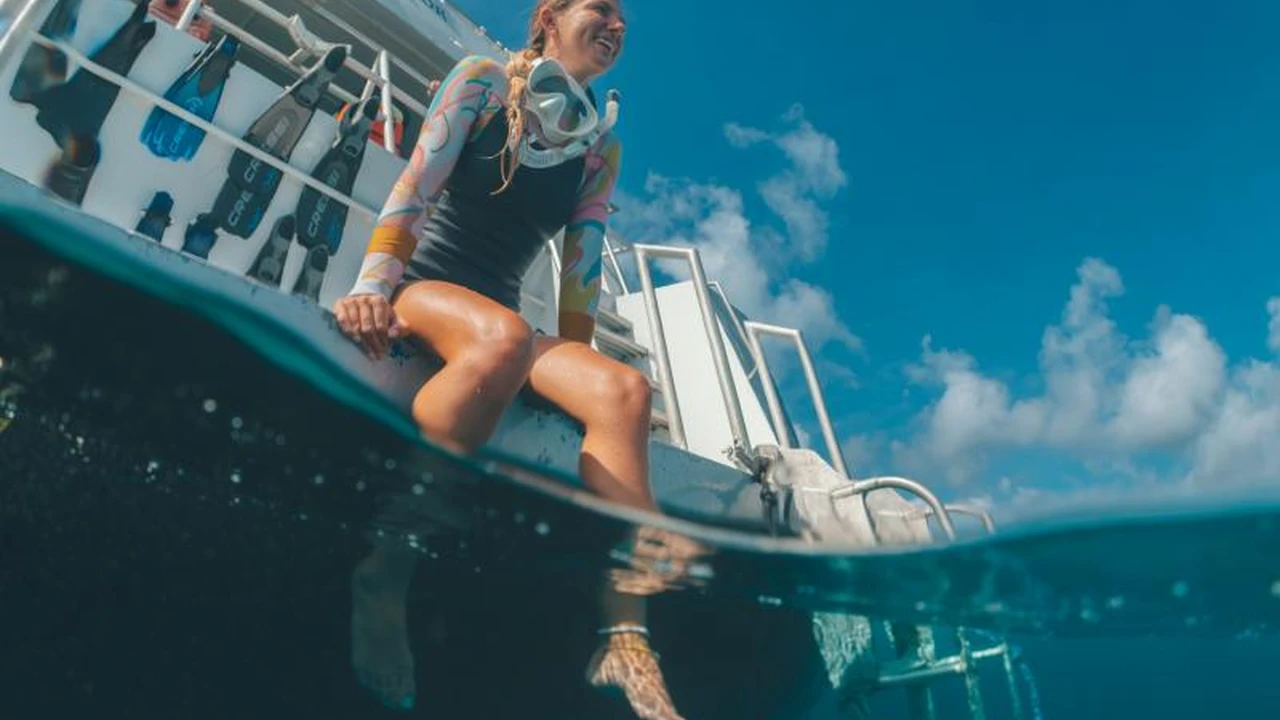
Essential Packing List for Your Scuba Diving Trip
Comprehensive guide to packing everything you need for a comfortable and prepared scuba diving vacation.

Comprehensive guide to packing everything you need for a comfortable and prepared scuba diving vacation.
Essential Packing List for Your Scuba Diving Trip
Why a Well-Planned Scuba Diving Packing List is Crucial for Your Dive Vacation
So, you've booked your dream scuba diving trip! Whether it's a liveaboard adventure in Raja Ampat, a resort stay in the Maldives, or a weekend getaway to a local dive spot, the excitement is palpable. But before you can immerse yourself in the underwater world, there's one crucial step: packing. A well-thought-out packing list isn't just about remembering your toothbrush; it's about ensuring your safety, comfort, and enjoyment throughout your entire dive vacation. Forgetting a key piece of gear can lead to unnecessary stress, wasted time, and even missed dives. This comprehensive guide will walk you through everything you need to pack, from essential dive gear to personal items and travel documents, ensuring you're fully prepared for an unforgettable underwater experience.
Your Core Scuba Diving Gear Checklist What to Bring for Every Dive
Let's start with the absolute essentials – your personal scuba diving equipment. While many dive operators offer rental gear, having your own ensures comfort, familiarity, and proper fit, which can significantly enhance your dive experience. Plus, it's often more hygienic. Here’s what you should consider bringing:
Mask Snorkel and Fins The Personal Touch for Underwater Vision and Propulsion
- Mask: This is arguably the most personal piece of dive gear. A well-fitting mask prevents leaks and ensures clear vision. Consider a low-volume mask for easier clearing.
- Snorkel: Useful for surface swimming, especially before or after a dive, or for snorkeling on non-dive days.
- Fins: Open-heel fins with dive boots offer versatility and power, while full-foot fins are great for warmer waters and lighter packing.
Product Recommendations:
- Mask: Aqua Lung Look 2 (around $80-100) - A classic, reliable choice known for its wide field of view and comfortable fit. Great for all face shapes.
- Snorkel: Mares Ergo Dry (around $30-40) - Features a dry top to prevent water entry and an ergonomic mouthpiece for comfort.
- Fins: Scubapro Seawing Nova (around $200-250) - Excellent propulsion and efficiency, reducing leg fatigue. Ideal for both beginners and experienced divers. For a more budget-friendly option, consider the Cressi Reaction Pro (around $70-90).
Dive Computer Your Essential Safety Device for Tracking Dive Data
A dive computer is non-negotiable for safe diving. It tracks your depth, bottom time, no-decompression limits, and ascent rates, significantly reducing the risk of decompression sickness. Even if you're diving with a guide, having your own computer is crucial for personal safety and data logging.
Product Recommendations:
- Beginner/Intermediate: Aqua Lung i300C (around $350-450) - User-friendly, Bluetooth connectivity for logging, and multiple dive modes.
- Advanced/Feature-Rich: Shearwater Perdix AI (around $1200-1500) - Top-tier, air-integrated, highly customizable, and popular among technical divers and enthusiasts.
- Wristwatch Style: Garmin Descent Mk2i (around $1400-1600) - A full-featured dive computer and smartwatch, perfect for everyday wear and advanced diving.
Wetsuit or Rash Guard Thermal Protection for Comfort and Safety
The type of exposure suit you need depends entirely on the water temperature of your destination. A rash guard offers sun protection and minimal warmth, while wetsuits come in various thicknesses (3mm, 5mm, 7mm) for different thermal needs.
Product Recommendations:
- Warm Water (28°C+): Scubapro UPF 50 Rash Guard (around $50-70) - Provides excellent UV protection and prevents chafing.
- Mild Water (24-28°C): Mares Reef 2.5mm Wetsuit (around $120-150) - Lightweight and flexible, offering good protection without overheating.
- Cooler Water (20-24°C): Aqua Lung Aquaflex 5mm Wetsuit (around $250-300) - Provides substantial warmth and comfort for longer dives.
BCD Regulator and Octo Your Life Support System Underwater
While many divers rent these larger items, owning them offers significant advantages in terms of fit, performance, and familiarity. If you're a frequent diver, investing in your own BCD (Buoyancy Control Device), regulator, and alternate air source (octo) is highly recommended.
Product Recommendations:
- BCD: Cressi Aquaride BCD (around $400-500) - A popular jacket-style BCD known for comfort and integrated weights. For travel, consider a lighter, back-inflate BCD like the Aqua Lung Rogue (around $550-650).
- Regulator Set (Primary, Octo, SPG): Scubapro MK25 EVO/S600 with R195 Octo and Compact SPG (around $800-1000) - A high-performance, reliable, and durable setup suitable for all conditions. For a more entry-level option, the Aqua Lung Titan/Core Combo (around $500-600) offers great value.
Dive Bag Protecting Your Gear During Travel
A good dive bag is essential for transporting your gear safely. Look for durable, water-resistant options with ample space and compartments.
Product Recommendations:
- Roller Bag: Scubapro Roller Bag (around $200-250) - Large capacity, durable wheels, and multiple compartments for organized packing.
- Mesh Bag: Mares Cruise Mesh Bag (around $50-70) - Lightweight and breathable, perfect for rinsing and drying gear after dives.
Essential Dive Accessories Enhancing Your Underwater Experience
Beyond the core gear, a few accessories can make your dive trip smoother and more enjoyable.
Surface Marker Buoy SMB and Whistle Safety First for Every Diver
An SMB is crucial for signaling your position to boats on the surface, especially in busy dive areas or strong currents. A whistle provides an audible signal.
Product Recommendations:
- SMB: Scubapro Safety Marker Buoy (around $40-60) - Brightly colored, easy to deploy, and highly visible.
- Whistle: Fox 40 Classic Whistle (around $10-15) - Loud and reliable, even when wet.
Dive Light and Tank Banger Communication and Exploration Tools
A dive light is essential for night dives, exploring wrecks, or simply bringing out the true colors of marine life during the day. A tank banger is a simple yet effective way to get your buddy's attention underwater.
Product Recommendations:
- Dive Light: OrcaTorch D530V (around $100-150) - Compact, powerful, and rechargeable, suitable for both recreational and some photography needs.
- Tank Banger: Scubapro Tank Banger (around $15-20) - Simple elastic band with a metal ball for clear sound.
Logbook and Dive Certification Card Documenting Your Underwater Adventures
Your certification card is your passport to diving. A logbook allows you to record your dives, track your progress, and remember the amazing marine life you encounter.
Product Recommendations:
- Logbook: PADI Professional Dive Logbook (around $15-25) - Standard and widely accepted, with space for stamps and notes.
Reef Hook and Pointer Stick Responsible Interaction with the Marine Environment
A reef hook can be useful in strong currents to avoid finning and damaging coral, but use it responsibly and only on dead rock. A pointer stick is great for pointing out marine life without touching it.
Product Recommendations:
- Reef Hook: Mares Reef Hook (around $20-30) - Simple and effective.
- Pointer Stick: Scubapro Pointer Stick (around $15-25) - Durable and with a wrist lanyard.
Personal Items and Travel Essentials Beyond the Dive Gear
Your dive gear is covered, but don't forget the non-diving essentials that will make your trip comfortable and hassle-free.
Clothing and Footwear Comfort and Practicality for Your Dive Destination
- Swimsuits: Multiple pairs are always a good idea.
- Quick-dry clothing: T-shirts, shorts, and light dresses are perfect for tropical climates.
- Light jacket or hoodie: For cooler evenings or air-conditioned spaces.
- Comfortable walking shoes/sandals: For exploring topside.
- Flip-flops or water shoes: Essential for boat decks and rocky beaches.
- Hat and sunglasses: For sun protection.
Toiletries and Medications Health and Hygiene on the Go
- Sunscreen: Choose reef-safe options to protect marine ecosystems.
- Insect repellent: Especially important in tropical areas.
- After-sun lotion/aloe vera: For soothing sun-kissed skin.
- Basic first-aid kit: Band-aids, antiseptic wipes, pain relievers, motion sickness medication (if prone to seasickness).
- Personal medications: Ensure you have enough for the entire trip, plus a few extra days.
- Reusable water bottle: Stay hydrated and reduce plastic waste.
Documents and Money Essential for Smooth Travel
- Passport/Visa: Check expiry dates and visa requirements well in advance.
- Flight and accommodation confirmations: Printouts or digital copies.
- Dive certification card: Both physical and digital copies if available.
- Dive insurance details: DAN or other specialized dive insurance is highly recommended.
- Travel insurance details: For non-diving related emergencies.
- Credit cards and local currency: Inform your bank of your travel plans.
- Emergency contact information: For family and friends.
Electronics and Entertainment Staying Connected and Entertained
- Phone and charger: With international roaming or a local SIM card plan.
- Power bank: For charging devices on the go.
- Universal travel adapter: If traveling internationally.
- Underwater camera and accessories: If you plan to capture your dives.
- Headphones: For flights and downtime.
- Book or e-reader: For relaxation between dives.
Special Considerations for Different Scuba Diving Trip Types
While the core packing list remains similar, certain types of dive trips might require additional items or different packing strategies.
Liveaboard Scuba Diving Trips Maximizing Space and Efficiency
Liveaboards often have limited space, so pack light and efficiently. Soft-sided luggage is usually preferred over hard cases. You'll spend most of your time in swimwear or casual clothes. Consider bringing:
- Minimal clothing: You'll likely wear the same few outfits repeatedly.
- Small, quick-drying towel: Beyond what the boat provides.
- Motion sickness medication: If you're prone to seasickness.
- Entertainment: Books, downloaded movies, or games for downtime.
- Extra batteries/charging cables: For all your electronics.
- Dry bag: To keep electronics and valuables safe from splashes.
Resort-Based Scuba Diving Vacations Balancing Dive Time with Relaxation
Resort trips offer more flexibility for non-diving activities. You might want to pack a few nicer outfits for dinners or excursions. Consider:
- Dressier casual wear: For evenings out.
- More varied footwear: Including shoes for walking or hiking.
- Beach bag: For carrying essentials to the pool or beach.
- Snorkeling gear: If you plan to snorkel on non-dive days.
Cold Water Scuba Diving Trips Specialized Thermal Protection
Diving in colder waters requires specific gear to stay warm and comfortable. This might include:
- Thicker wetsuit or drysuit: Essential for thermal protection.
- Hood, gloves, and boots: To prevent heat loss from extremities.
- Layering clothing: Thermal underwear or fleece for under your drysuit.
- Warm hat and jacket: For before and after dives.
Pre-Trip Preparations and Final Checks Before You Go
Before you zip up your bags and head to the airport, a few final checks can save you headaches down the line.
Gear Servicing and Maintenance Ensuring Peak Performance
Have your regulator and BCD serviced annually, especially before a big trip. Check your mask strap, fin straps, and O-rings for any signs of wear and tear. Ensure your dive computer has fresh batteries or is fully charged.
Medical Check-up and Dive Fitness Are You Ready to Dive
If you have any medical conditions or concerns, consult your doctor and a dive physician to ensure you are medically fit to dive. Review the RSTC Medical Statement.
Practice Your Skills Stay Confident and Prepared
If it's been a while since your last dive, consider a refresher course. Practice your buoyancy control, mask clearing, and regulator recovery in a pool or confined water. Confidence in your skills translates to safer and more enjoyable dives.
Inform Your Bank and Family Stay Connected and Secure
Notify your bank of your travel dates and destinations to avoid any issues with credit card usage. Share your itinerary with family or friends and establish a communication plan.
Enjoy Your Scuba Diving Adventure
With this comprehensive packing list and pre-trip checklist, you're now fully equipped and prepared for your scuba diving vacation. Remember, the goal is to be comfortable, safe, and ready to explore the incredible underwater world. Double-check everything, pack smart, and most importantly, have an amazing time making unforgettable memories beneath the waves. Happy diving!
:max_bytes(150000):strip_icc()/277019-baked-pork-chops-with-cream-of-mushroom-soup-DDMFS-beauty-4x3-BG-7505-5762b731cf30447d9cbbbbbf387beafa.jpg)