Comparing Scuba Diving in the Caribbean vs Southeast Asia
A detailed comparison of diving experiences, marine life, and costs in two premier global regions.
A detailed comparison of diving experiences, marine life, and costs in two premier global regions.
Comparing Scuba Diving in the Caribbean vs Southeast Asia
Caribbean Diving vs Southeast Asia Diving An Overview
When it comes to planning your next scuba diving adventure, two regions consistently rise to the top of every diver's wish list: the Caribbean and Southeast Asia. Both offer incredible underwater experiences, but they are distinct in their marine life, dive conditions, cultural experiences, and even cost. Deciding between them can be tough, as each promises a unique and unforgettable journey beneath the waves. This comprehensive guide will break down the pros and cons of diving in the Caribbean versus Southeast Asia, helping you choose the perfect destination for your next aquatic escapade.
Marine Life and Biodiversity Caribbean vs Southeast Asia Underwater Ecosystems
One of the biggest factors influencing a diver's choice is the marine life they hope to encounter. Both regions boast vibrant ecosystems, but their biodiversity and typical sightings differ significantly.
Caribbean Marine Life What to Expect
The Caribbean is renowned for its healthy coral reefs, dramatic wall dives, and a good variety of larger pelagic species. You'll often find yourself surrounded by colorful reef fish like parrotfish, angelfish, and damselfish. Nurse sharks, reef sharks, and barracudas are common sightings. Turtles, especially green sea turtles and hawksbill turtles, are almost guaranteed on many dives. The region is also famous for its wrecks, which often become artificial reefs teeming with life. Think about places like the USS Kittiwake in Grand Cayman or the Bianca C in Grenada. While the Caribbean has beautiful soft corals, its hard coral formations are often more dominant. Macro life, while present, isn't typically the main draw.
Southeast Asia Marine Life A Kaleidoscope of Species
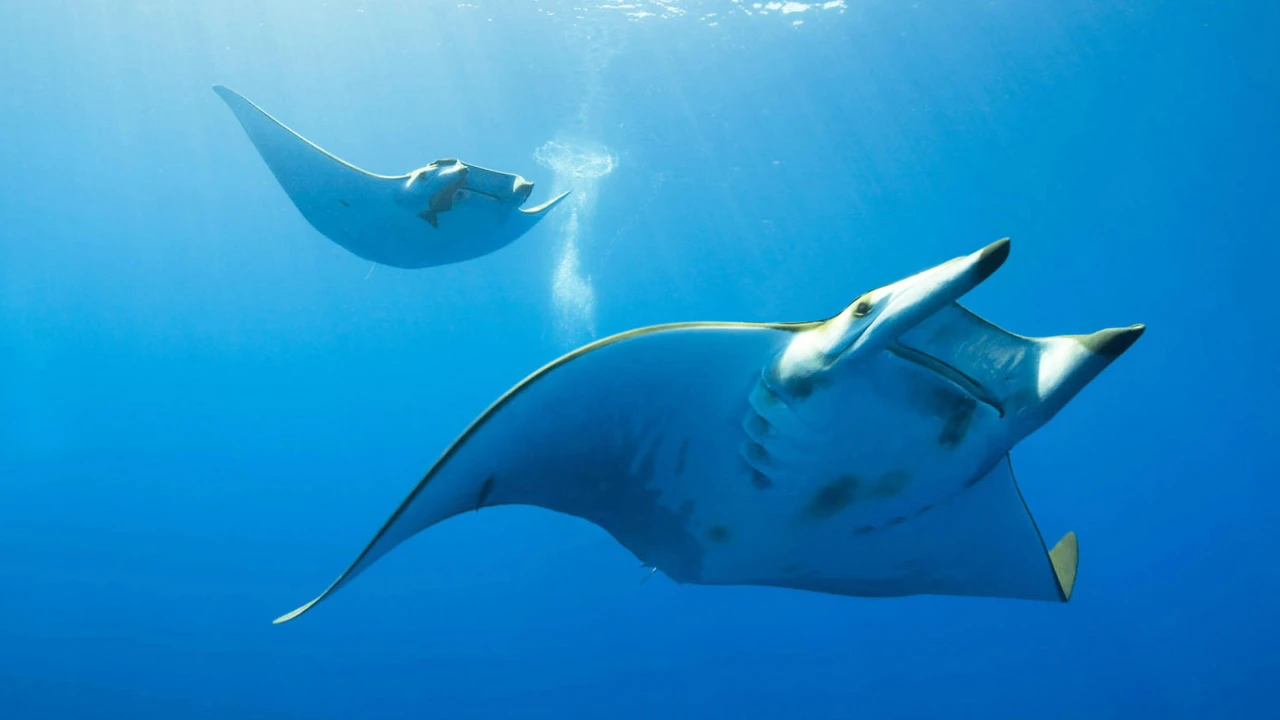
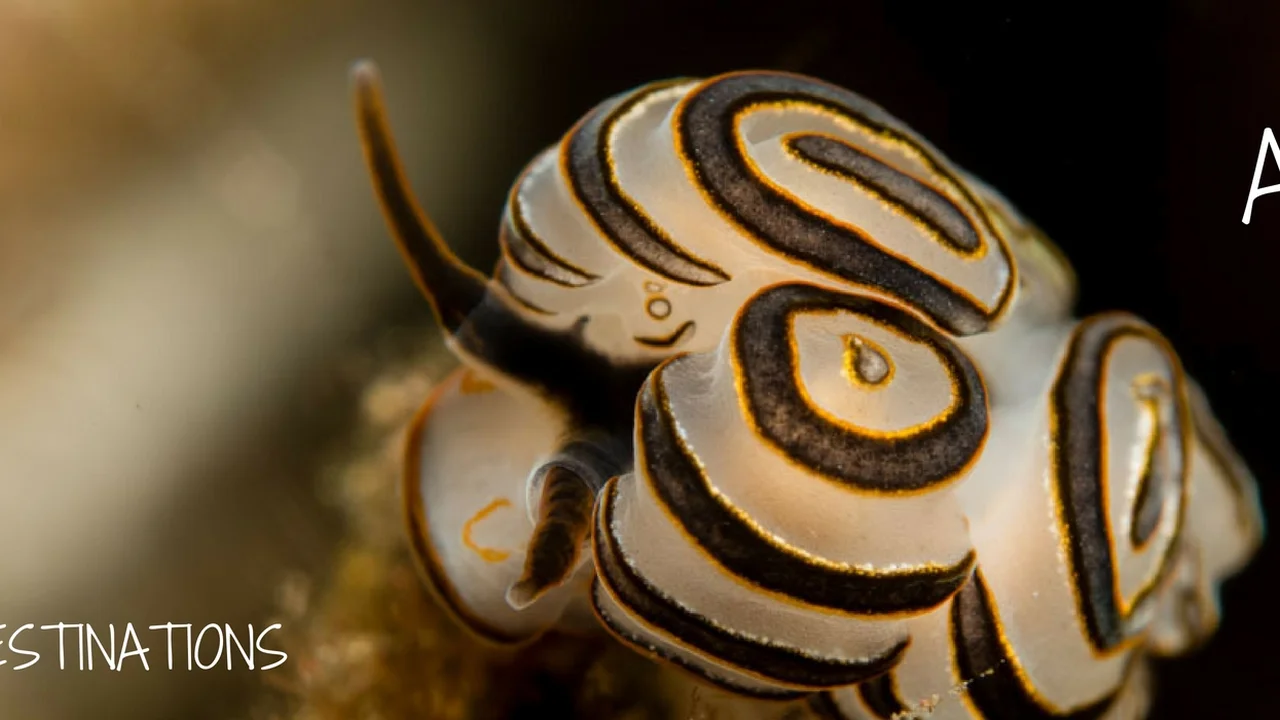
Southeast Asia, on the other hand, is often considered the epicenter of marine biodiversity, particularly within the Coral Triangle. This region boasts an unparalleled variety of coral species, nudibranchs, pygmy seahorses, and an incredible array of macro life that can keep even the most seasoned diver enthralled for hours. Beyond the tiny wonders, you'll also find large pelagics like manta rays (especially in places like Raja Ampat or Komodo), whale sharks (Philippines, Thailand), and various shark species. The sheer volume and diversity of fish life are often overwhelming. From the vibrant reefs of Raja Ampat to the muck diving sites of Lembeh Strait, Southeast Asia offers a broader spectrum of underwater environments and species.
Dive Conditions and Visibility Caribbean vs Southeast Asia Water Clarity and Currents
Dive conditions play a crucial role in the overall experience. Both regions generally offer excellent conditions, but there are nuances.
Caribbean Dive Conditions Warm Waters and Calm Seas
The Caribbean typically offers warm, clear waters year-round, with average water temperatures ranging from 78-84°F (25-29°C). Visibility is often exceptional, frequently exceeding 100 feet (30 meters), making it ideal for photography and enjoying expansive reef views. Currents are generally mild to moderate, making it suitable for divers of all experience levels. The hurricane season (June to November) can bring rougher seas and potential dive cancellations, so planning around this is advisable.
Southeast Asia Dive Conditions Diverse Environments and Currents
Southeast Asia's dive conditions are more varied due to its vast geographical spread. Water temperatures are consistently warm, usually between 80-86°F (27-30°C). Visibility can range from crystal clear (e.g., parts of the Philippines, Maldives) to moderate (e.g., some muck diving sites in Indonesia). Currents can be a significant factor, especially in areas known for pelagic encounters like Komodo or Raja Ampat, where strong currents are common and often necessary to bring in the big stuff. This can make some sites more challenging and better suited for experienced divers. However, there are also plenty of calm, sheltered sites perfect for beginners.
Cost of Diving and Travel Caribbean vs Southeast Asia Budget Considerations
Budget is often a deciding factor for many travelers. The cost of diving, accommodation, and travel can vary significantly between these two regions.
Caribbean Diving Costs What to Expect Financially
Generally, the Caribbean tends to be more expensive than Southeast Asia. Flights from North America are often shorter and more direct, but accommodation, food, and dive operations can carry a higher price tag. A typical two-tank boat dive might cost anywhere from $100-$150 USD, and resort stays can quickly add up. Liveaboards are available but also tend to be on the pricier side. For example, a week-long liveaboard in the Bahamas or Turks and Caicos could easily run $2,500-$4,000+ USD.
Southeast Asia Diving Costs Value for Money
Southeast Asia generally offers more bang for your buck. While flights from North America or Europe can be longer and more expensive, the cost of living, accommodation, food, and diving once you're there is significantly lower. A two-tank boat dive might cost $50-$100 USD in many popular areas. Liveaboards, especially in Indonesia or the Philippines, offer incredible value, with week-long trips ranging from $1,500-$3,500 USD, often including all meals and multiple dives per day. This makes extended trips or multiple dive destinations more feasible on a similar budget.
Cultural Experience and Topside Activities Caribbean vs Southeast Asia Beyond the Dive
Your vacation isn't just about what happens underwater. The topside experience, culture, and other activities are also important.
Caribbean Topside Experience Relaxation and Resorts
The Caribbean offers a more Westernized and resort-centric experience. Many islands are geared towards tourism, with a focus on relaxation, beaches, and water sports. You'll find a mix of luxury resorts, boutique hotels, and guesthouses. The culture is often a blend of European and African influences, with vibrant music, delicious Creole cuisine, and a laid-back atmosphere. English is widely spoken, making communication easy for many travelers. Beyond diving, activities include sailing, fishing, exploring historical sites, and simply enjoying the beautiful beaches.
Southeast Asia Topside Experience Rich Culture and Adventure
Southeast Asia provides a much richer and more diverse cultural experience. Each country has its unique traditions, religions, and cuisines. You can explore ancient temples, bustling markets, serene rice paddies, and vibrant cities. The food is incredibly diverse, flavorful, and often very affordable. English is spoken in tourist areas, but learning a few local phrases can enhance your experience. Beyond diving, opportunities for adventure are endless: trekking, exploring volcanoes, visiting wildlife sanctuaries, or simply immersing yourself in the local way of life.
Recommended Dive Gear for Both Regions Essential Scuba Equipment
While much of your core gear will be suitable for both regions, there are some considerations and specific product recommendations that can enhance your experience.
Masks for Clarity and Comfort
For both regions, a comfortable mask with a wide field of view is crucial. Consider the **Aqua Lung Look 2 Mask** (around $80-$100 USD) for its excellent fit and optical lens options, or the **Scubapro Synergy 2 TruFit Mask** (around $120-$150 USD) known for its comfortable skirt that adapts to various face shapes. The TruFit technology uses two different silicone thicknesses for a superior seal without pressure points. For those who prefer a frameless design for lighter weight and packability, the **Atomic Aquatics Frameless Mask** (around $100-$120 USD) is a top choice, offering exceptional visibility and durability. When choosing, prioritize fit over aesthetics. A mask that leaks or fogs will ruin your dive, regardless of the destination.
Regulators for Reliability and Performance
A reliable regulator is paramount. For warm water diving, you don't necessarily need an over-balanced, environmentally sealed first stage, but quality is still key. The **Aqua Lung Core Regulator** (around $400-$500 USD for first and second stage) offers excellent performance and reliability at a mid-range price point. It's known for its smooth breathing and durability. Another solid option is the **Scubapro MK25 EVO/S600 Regulator** (around $700-$850 USD), which is a workhorse, offering consistent airflow even in demanding conditions. While it's a higher-end option, its performance and longevity make it a worthwhile investment for frequent divers. For a more travel-friendly and lightweight option, consider the **Mares Abyss 22 Navy II** (around $550-$650 USD), which is robust yet compact.
BCDs for Buoyancy and Travel
Your BCD choice depends on whether you prefer jacket-style or back-inflate. For travel, a lightweight, packable BCD is a huge plus. The **Cressi Travelight BCD** (around $350-$450 USD) is an excellent choice for its incredibly light weight (around 5.5 lbs / 2.5 kg) and ability to fold compactly, making it perfect for minimizing luggage weight. It's a jacket-style BCD that still offers good lift. If you prefer a back-inflate BCD for better trim and freedom of movement, the **Zeagle Express Tech BCD** (around $400-$500 USD) is a modular system that is very lightweight and customizable, ideal for warm water diving. For those who want a more traditional, robust jacket BCD that still travels well, the **Scubapro Hydros Pro BCD** (around $800-$950 USD) is a premium option. It's made from durable Monprene material, is quick-drying, and can be easily disassembled for packing, though it's heavier than the Travelight.
Fins for Propulsion and Efficiency
Open-heel fins with boots are generally preferred for better power and comfort, especially if you encounter currents. The **Scubapro Seawing Nova Fins** (around $180-$220 USD) are highly popular for their efficient propulsion and comfortable foot pocket, reducing leg fatigue. They are excellent for both strong currents and leisurely dives. Another great option is the **Mares Avanti Quattro Plus Fins** (around $150-$180 USD), known for their powerful thrust and channel thrust technology, making them very efficient. For divers who prefer full-foot fins for ultimate simplicity and lightweight travel in very warm water, the **Aqua Lung Stratos 3 Full Foot Fins** (around $60-$80 USD) are a good, comfortable choice, though they offer less power than open-heel fins.
Dive Computers for Safety and Data
A reliable dive computer is non-negotiable for safety. For beginners and intermediate divers, the **Mares Puck Pro Plus** (around $200-$250 USD) is a user-friendly, intuitive wrist-mounted computer that provides all essential dive data. It's simple to operate and reliable. For more advanced divers or those who want air integration and a color screen, the **Shearwater Peregrine** (around $500-$550 USD) is an excellent choice. It's incredibly easy to read, has a long battery life, and supports multiple gases, making it suitable for future progression. Another popular choice for its robust features and reliability is the **Garmin Descent Mk2i** (around $1,400-$1,600 USD), which doubles as a smartwatch and offers advanced features like air integration, GPS, and multiple dive modes, though it comes at a premium price.
Wetsuits for Warm Water Protection
In both regions, a 3mm full wetsuit or a shorty is usually sufficient for warmth, but it also provides protection against minor scrapes and stings. For the Caribbean, a 3mm full suit like the **Henderson Thermoprene Pro 3mm** (around $200-$250 USD) offers good flexibility and warmth. In Southeast Asia, where water can be slightly warmer, a 3mm shorty like the **Scubapro Everflex 3/2mm Shorty** (around $150-$180 USD) might be enough, or even just a rash guard for maximum freedom of movement and sun protection. However, a full suit is always recommended for better protection against jellyfish or fire coral, especially if you're doing multiple dives a day. The **Aqua Lung Aquaflex 3mm** (around $180-$220 USD) is also a great flexible and comfortable option for warm water.
Choosing Your Dive Adventure Caribbean or Southeast Asia
Ultimately, the choice between the Caribbean and Southeast Asia depends on your priorities. If you're looking for a relatively easy, comfortable dive vacation with stunning wrecks, healthy reefs, and a relaxed resort atmosphere, the Caribbean might be your ideal destination. It's often more accessible for North American divers and offers a familiar travel experience.
If you're an adventurous diver seeking unparalleled biodiversity, unique macro life, thrilling pelagic encounters, and a rich cultural immersion at a more affordable price point, Southeast Asia is likely to be your paradise. It requires a longer journey for many, but the rewards are immense.
Many divers find themselves drawn to both regions at different times in their diving journey. Why not experience the best of both worlds? Start with one, and let the underwater world guide you to your next incredible adventure.
:max_bytes(150000):strip_icc()/277019-baked-pork-chops-with-cream-of-mushroom-soup-DDMFS-beauty-4x3-BG-7505-5762b731cf30447d9cbbbbbf387beafa.jpg)